
What's After the Movie
Enzo Petito
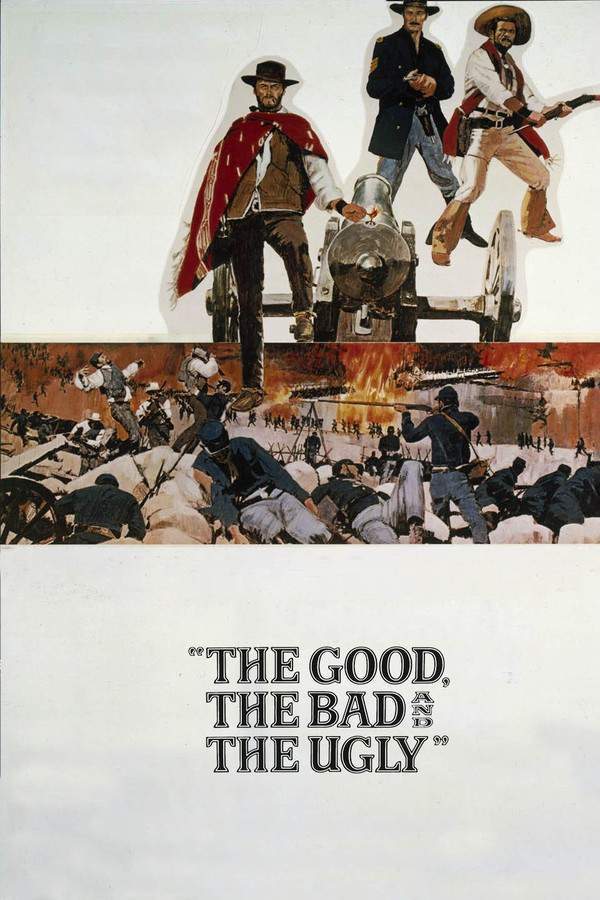
Enzo Petito, born Vincenzo Squatriti on 24 July 1897 in Naples, Kingdom of Italy, was a prolific Italian character actor whose career spanned both the theatrical stages and the silver screen during the golden era of Italian cinema. Descended from a distinguished lineage—his great‑grandfather Antonio Petito was a celebrated Pulcinella of the 19th‑century commedia dell'arte—Petito inherited a deep‑rooted passion for performance that would shape his artistic identity. After beginning his film journey in 1942 with the comedy A che servono questi quattrini? where he played a notary alongside Eduardo and Peppino De Filippo, he quickly became a trusted member of Eduardo De Filippo’s theatrical troupe at the historic Teatro San Ferdinando in Naples, contributing to the vibrant post‑war Neapolitan stage scene throughout the 1950s. His stage work placed him beside luminaries such as Ugo D'Alessio, Pietro De Vico and Franco Sportelli, reinforcing his reputation as a versatile supporting actor capable of delivering both humor and pathos. Transitioning to film, Petito appeared in a series of memorable commedia all'Italiana productions, often cast in archetypal roles—storekeepers, cobblers, priests, or homeless men—that highlighted his skill in embodying everyday Italian characters with authenticity and subtle nuance. Notable screen appearances include Dino Risi’s Il vedovo (1959), where he portrayed a shoemaker, and the acclaimed Il Mattatore (1960), albeit uncredited, as Il cavalier Pizzola‑to. In 1963 he achieved a career highlight by playing Napoleon in Sergio Corbucci’s comedy Chi si ferma è perduto, a performance that remains a favorite among fans of classic Italian satire. Perhaps his most internationally recognised role arrived in 1966 when he embodied the hapless storekeeper Mr. Milton in Sergio Leone’s iconic Spaghetti Western The Good, the Bad and the Ugly, delivering memorable lines such as “Colt, Remington, Smith & Wesson” before being silenced by a notorious sign placed in his mouth. Though never a leading man, Petito’s extensive body of work—spanning over two decades from 1942 to 1966—reflects a steadfast dedication to his craft, leaving an indelible mark on Italy’s cinematic and theatrical heritage.
Biography, Career & Filmography
Learn more about Enzo Petito, including a detailed biography, career timeline, personal life insights, and complete filmography. Discover how Enzo Petito rose to fame, their major roles, industry impact, and personal milestones in the world of film.
Given Name: Vincenzo Squatriti
Born: Naples, Kingdom of Italy
Citizenship: Italian
Birthday: July 24, 1897
Occupations: actor
Years Active: 1942-1966
External Links and Streaming Options
Explore more about on trusted external platforms like Metacritic, Rotten Tomatoes, TMDb or Wikipedia. Find additional details, reviews, and related content to deepen your understanding.







Career Timeline
Track the complete movie timeline of Enzo Petito, including all film releases, career breakthroughs, and notable roles. Follow their journey from early performances to recent blockbusters and upcoming projects.

Coming soon on iOS and Android
The Plot Explained Mobile App
From blockbusters to hidden gems — dive into movie stories anytime, anywhere. Save your favorites, discover plots faster, and never miss a twist again.
Sign up to be the first to know when we launch. Your email stays private — always.
Explore the mobile app
What's After the Movie?
Not sure whether to stay after the credits? Find out!
Check out our other apps:

SAT Sphere
Build confidence for the Digital SAT.

Mori Atlas
Discover wild places worth protecting.

Luntero
Search smarter for a home in Amsterdam.

Plot Explained
Unravel movie endings and hidden clues.

Pokechamp
Dive into Pokémon data and battle logic.

Driving Theory
Get ready for your European theory test.

Movie Dust
Plan your next cinema trip with ease.

Musemap
Find art and culture as you travel.

Selkobase
Compare credentials before committing.

Local Manual
Turn an unfamiliar country into practical next steps.

Lernavi
Compare school systems before your next move.

GymRoam
Find a workout stop wherever your plans take you.
Explore Our Movie Platform
New Movie Releases (2026)
Famous Movie Actors
Top Film Production Studios
Movie Plot Summaries & Endings
Major Movie Awards & Winners
Best Concert Films & Music Documentaries
Movie Collections and Curated Lists
© 2026 What's After the Movie. All rights reserved.
Privacy Policy