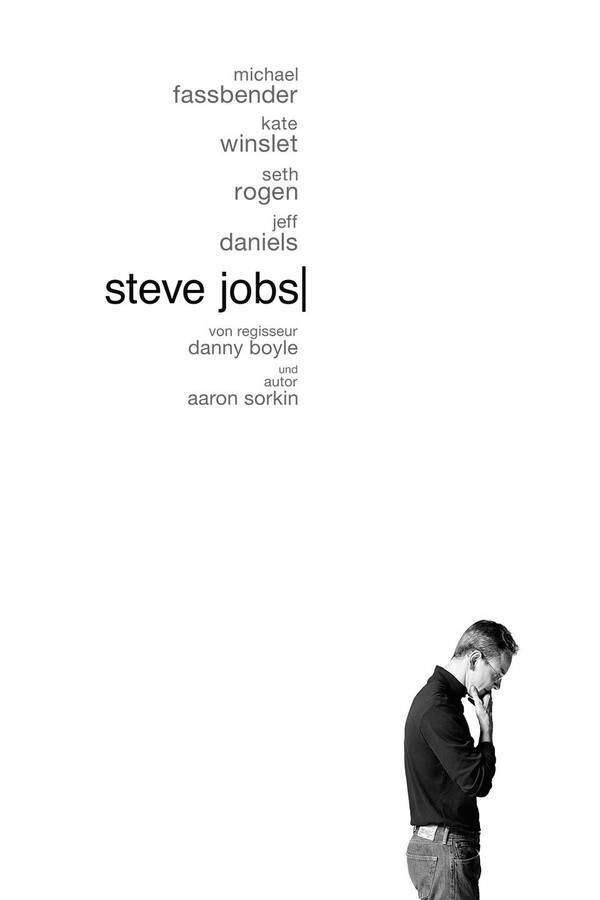
What Is Steve Jobs About?
The premise of Steve Jobs in 290 words, with nothing given away. The full story and the ending follow below.
In the mid‑1980s, the sleek corridors of a burgeoning tech campus pulse with restless energy, as a generation of engineers and dreamers chase the promise of personal computers that could change everyday life. The atmosphere crackles with the blend of avant‑garde design, intense deadline pressure, and an undercurrent of rivalry that makes every breakthrough feel like a revolution waiting to happen.
At the heart of this whirlwind is Steve Jobs, a charismatic yet exacting visionary whose relentless pursuit of perfection drives both innovation and inner turmoil. He balances his soaring ambitions with a complicated personal world: a strained bond with Chrisann Brennan, the mother of his daughter Lisa, whose presence hints at unresolved responsibilities and emotional distance. These relationships tug at the edges of his focus, offering a glimpse of the humanity behind the legend.
Supporting him are a cadre of equally driven colleagues whose talents and quirks shape the project’s rhythm. Joanna Hoffman brings a pragmatic edge, often mediating between idealism and practical constraints, while Andy Hertzfeld embodies the technical brilliance that translates lofty concepts into functional code. The ever‑playful Steve Wozniak adds levity and perspective, reminding the team that invention is as much about joy as it is about precision. Together, they navigate the high‑stakes environment that demands both creative risk and relentless discipline.
As the story unfolds, the looming launch of a groundbreaking computer looms large, but the narrative also hints at an inevitable crossroads: a professional exile that forces the protagonist to confront his own identity, and a later return that promises a fresh chapter of reinvention. The tone remains a mix of electric anticipation and introspective yearning, suggesting that the true measure of success may lie as much in personal reconciliation as in technological triumph.
What Happens in Steve Jobs?
The complete story of Steve Jobs, from the first scene to the last, in 574 words (about 2 minutes). Spoilers throughout. Names in the text link to 3 cast member pages.
Spoilers ahead
The film begins with an engaging montage featuring Arthur C. Clarke discussing the significance of personal computers in our future. It’s 1984, Cupertino, California, where Steve Jobs (Michael Fassbender), his dedicated assistant Joanna Hoffman (Kate Winslet), and Andy Hertzfeld try to troubleshoot the Macintosh computer moments before its highly anticipated launch. The atmosphere buzzes with tension as they frantically work in a performing arts center, desperate to ensure that the Macintosh will greet its audience with a friendly ‘hello’.
With the clock ticking down, Joanna suggests omitting the voice feature from the demo, but Steve adamantly insists it must be included, fearing that its success hinges on this very moment. He frantically instructs Andy to rectify the issue, expressing frustration when confronted by the limitations of their tools. Joanna, aware of the media presence, including Joel Pforzheimer from GQ, emphasizes the need for discretion, urging them not to discuss the computer’s difficulties aloud. She highlights the stakes—Steve’s ambition to sell a million units in three months. Their exchange reveals cracks in Steve’s drive, reflecting both his brilliance and chaotic nature.
As tensions rise, Joanna leads in some comic relief with the revelation of Steve’s daughter Lisa. Their strained family dynamic is spotlighted when Chrisann, Lisa’s mother, confronts Steve about his responsibilities, arguing that he casts shadows over their now meager life after his rift with Apple. Despite her insistence on their connection, insinuations about paternity tests and financial obligations lead to further friction. While tension permeates backstage, the young Lisa expresses curiosity about her father, connecting dots that reveal just how much their relationship is strained.
Intertwined in the narrative is Steve Wozniak (Seth Rogen), whose awkwardness adds levity to this high-stakes environment. Their discussions about the launch highlight Steve’s singular focus on the Macintosh while dismissing the contributions of others. A sense of rivalry, paternal concern, and a desperate need for validation are woven throughout these interactions.
As the scene shifts forward to 1988, Steve is introduced to NeXT, where he remains fixated on perfectionism, distancing himself emotionally from those around him, particularly from Joanna. Dialogues echo past grievances, showcasing Steve’s unyielding nature and his obsession with aesthetics. Joanna’s challenges against Steve’s skewed perceptions lead to an underlying tension between them, culminating in reflective discussions that reveal more to Steve than he wishes to acknowledge.
In a fluid transition through the film, we witness the pressures of sales, innovation, and personal redemption, building towards Steve’s poignant realization about his family and authentic connections. The audience is drawn into a compelling conclusion when Steve finally embraces his unique narrative of innovation and grapples with his personal history.
In the denouement, as the iMac comes to life, Steve shifts from a self-centered innovator to a more deeply layered man, reconnecting with Lisa on a heartfelt level. The warmth that emerges from this connection contrasts sharply with the earlier complexities of his relationships. Closing echoes emphasize “I want to live with you”, revealing how his journey encompasses more than just groundbreaking technology—it’s also about familial reconnections and personal growth.
In a reflective moment set against Bob Dylan’s “Shelter from the Storm,” Steve steps back to envision a future filled with promise, forgetting the pressure of the public eye and cherishing the intimate moments with his daughter. The movie concludes not with a triumphant technology launch but rather with a transformative personal victory, signifying that the greatest creation might just be the relationships built along the way.
Steve Jobs Timeline: Every Key Event in Order
15 key events in the order they happen, from “Arthur C. Clarke's Montage” to “Transformative Victory”. 2 events name a place, across 2 locations.
- 1
Arthur C. Clarke's Montage
The film opens with a montage featuring Arthur C. Clarke discussing the significance of personal computers. This sets the stage for the technological revolution that is about to unfold in the movie.
When:1984
- 2
Macintosh Launch Preparation
In Cupertino, California, Steve Jobs and his team, including Joanna Hoffman and Andy Hertzfeld, rush to troubleshoot the Macintosh before its big launch. The atmosphere is thick with anxiety, and they are determined to ensure the computer greets the audience with a friendly 'hello'.
When:1984 Where:Cupertino, California
- 3
Tension Over Voice Feature
With time running out, Joanna suggests leaving out the voice feature from the demo to ease the pressure. However, Steve insists its inclusion is crucial for the Macintosh's success, leading to heightened tensions amid their frantic preparations.
Where:Performing arts center
- 4
Financial Stakes
Joanna highlights the stakes of the launch, emphasizing Steve's ambitious goal to sell a million units in just three months. Their conversation reveals deeper issues within the team and Steve’s chaotic leadership style.
- 5
Steve's Family Dynamics
As the pressure mounts, the narrative shifts to Steve’s strained relationship with his daughter, Lisa. Confronted by Chrisann, Lisa’s mother, Steve faces uncomfortable truths about his responsibilities and past decisions.
- 6
Insecurity About Paternity
Chrisann's confrontation leads to discussions about paternity tests and financial obligations, highlighting the complexity of Steve’s relationships. This moment emphasizes the emotional distance between Steve and his family.
- 7
Steve Wozniak's Contribution
Steve Wozniak enters the scene with his unique awkwardness, providing comic relief amidst the pressure of the launch. His interactions with Steve reveal the tension between collaboration and Steve’s singular focus on the Macintosh.
- 8
Shift to NeXT
The film transitions to 1988, introducing Steve's involvement with NeXT. His obsession with perfectionism continues to widen the emotional gap between him and those close to him, including Joanna.
When:1988
- 9
Joanna's Challenge
Joanna challenges Steve's skewed perceptions about aesthetics and innovation, leading to underlying tensions. Their conversations reveal more profound grievances and showcase the emotional distance created by Steve’s relentless nature.
- 10
Personal Redemption Journey
As the pressures of sales and innovation mount, Steve begins a journey toward personal redemption. He starts to confront his past and the relationships that have shaped his identity.
Show the other 5 events of Steve Jobs Hide the last 5 events
- 11
Realization of Family Importance
In the film's climax, Steve acknowledges the significance of his family and authentic connections. This moment of reflection marks a turning point in his character development.
- 12
iMac Reveal
As the iMac comes to life, Steve’s transition from a self-centered innovator to a more layered individual is completed. His reconnection with Lisa highlights the emotional warmth he was previously lacking.
- 13
Reconnection with Lisa
Steve shares a heartfelt moment with his daughter, reflecting the emotional growth he has undergone. This connection contrasts sharply with earlier complexities in their relationship.
- 14
Closure Through Reflection
In a poignant moment accompanied by Bob Dylan's music, Steve envisions a promising future. This marks a departure from the pressures of public life, as he chooses to value intimate family connections.
- 15
Transformative Victory
The film concludes with Steve’s journey symbolizing a transformative personal victory. He realizes that the most significant creations are not just technological innovations but also the relationships we build.
Who Are the Main Characters in Steve Jobs?
5 characters, among them Steve Jobs (Michael Fassbender), Joanna Hoffman (Kate Winslet) and Andy Hertzfeld: who each one is and the part they play in the story. 3 of them link to the actor’s page.
-

Steve Jobs (Michael Fassbender)
Played by Michael Fassbender
Steve Jobs is portrayed as a visionary with a complex personality, driven by ambition and perfectionism. His relentless pursuit of innovation often leads to strained relationships with those around him, especially his daughter. Through various interactions, he reveals layers of vulnerability and the emotional cost of his genius.
- 🧠 Genius
- 📈 Ambitious
- 💔 Complex
-

Joanna Hoffman (Kate Winslet)
Played by Kate Winslet
Joanna Hoffman serves as Steve Jobs' dedicated assistant, providing both support and challenge throughout the film. She represents a voice of reason amidst the chaos, navigating the pressures of a high-stakes environment while also highlighting the emotional toll of Jobs' ambition. Her character adds depth to the narrative by showcasing both loyalty and the need for personal integrity.
- 💼 Assistant
- 🎭 Loyal
- 🗣️ Advocate
- AH
Andy Hertzfeld
Andy Hertzfeld is depicted as a key technical team member working on the Macintosh computer. He embodies the spirit of innovation and collaboration but often finds himself caught in the tension between Jobs' exacting standards and the practical challenges faced by the team. His character reflects the challenges of creativity under pressure.
- 💻 Innovator
- 🤝 Team Player
- 🎨 Creative
-

Steve Wozniak (Seth Rogen)
Played by Seth Rogen
Steve Wozniak is portrayed as the more approachable, laid-back counterpart to Jobs' intense personality. He adds humor to the narrative while grappling with the recognition and appreciation of his contributions. His character embodies the struggle between collaboration and the quest for individual acknowledgment in the tech world.
- 🤖 Engineer
- 😂 Humorous
- 🤗 Supportive
- L
Lisa
Lisa, Steve Jobs' daughter, embodies innocence and curiosity, reflecting the complexities of their strained relationship. Her presence serves as a catalyst for Jobs' personal growth, prompting him to confront his family dynamics and emotional barriers. Throughout the film, she symbolizes the potential for connection and understanding despite past grievances.
- 👧 Innocent
- ❤️ Curious
- 🌱 Growth
Where and When Is Steve Jobs Set?
Steve Jobs is set in Cupertino and California (1984, 1988). Here is why the time and place matter to the story.
When
1984, 1988
The events of the film take place during the mid-1980s, a transformative period marked by the rise of personal computers. This era witnessed significant technological advancements and a burgeoning digital culture that shaped the future of communication and information accessibility. The stark realities of business and personal relationships play against the backdrop of emerging technologies.
Where
Cupertino, California
Cupertino, California, is known as a pivotal location in the tech industry, primarily due to its association with Apple Inc. The city is home to various technology companies, making it a hub for innovation and creativity. The film captures the essence of this vibrant atmosphere during a critical moment in computing history.
- 🌉 Tech Hub
- 🎭 Performing Arts
What Are the Themes of Steve Jobs?
3 ideas the story keeps returning to, among them Innovation, Family and Redemption.
-
01
Innovation
Innovation is at the core of the film, showcasing the relentless pursuit of perfection and creativity in technology. Steve Jobs embodies the drive for groundbreaking advancements, often at the expense of personal relationships. The theme explores the intersection of ambition and emotional connections, highlighting the sacrifices made in the name of innovation.
-
02
Family
Family dynamics play a crucial role in Jobs' journey, illustrating the tension between professional aspirations and personal responsibilities. The strained relationship between Steve and his daughter, Lisa, reveals the emotional costs of his relentless ambition. The theme emphasizes the importance of familial connections and the impact they have on personal growth.
-
03
Redemption
The theme of redemption weaves throughout the narrative as Steve confronts his past choices and relationships. His journey towards acknowledging and improving connections with his family highlights a transformative arc. Ultimately, redemption is framed not just as personal success, but also about understanding and embracing one’s vulnerabilities.
How Does Steve Jobs End?
The last act of Steve Jobs and what it means, in 171 words. The ending lands as bittersweet. Big spoilers: read the plot summary first if you have not seen it.
The final act, in full
Imagine a version of Steve Jobs where, despite his flaws and the turmoil in his relationships, he undergoes a moment of personal redemption. By the end of the film, he finally acknowledges the strain he’s caused in his relationship with his daughter, Lisa. This recognition marks a turning point; it’s a quiet, private reconciliation rather than a public spectacle. The film emphasizes that despite his intense focus on innovation, Jobs is ultimately a human being capable of growth and change. The closing scenes suggest that, while he’s still the visionary behind Apple, he’s also someone confronting his past mistakes and seeking forgiveness—both from himself and the people he has hurt. Through this intimate and emotionally charged redemption, the movie offers a layered portrait of Jobs as someone who, despite his complexity and flaws, reaches a moment of grace before his life’s final chapter. In this way, the film depicts not just his genius but also his humanity, leaving audiences with a nuanced understanding of the man behind the iconic tech empire.
What Kind of Film Is Steve Jobs?
Tense in tone, with steady pacing and a moderate story, going by the plot summary.
- Tone
- Tense
- Pacing
- Steady
- Story
- Moderate
- Intensity
- High
- Ending
- Bittersweet
A relentlessly tense and dialogue-driven character study that captures the immense pressure of innovation and a brilliant but flawed man's difficult journey toward personal connection.
- anxious
- driven
- relentless
- demanding
- reflective
- redemptive
- creative genius
- family estrangement
- professional ambition
- technological innovation
Content notes: emotional abuse, parental neglect.
Quiz
How well do you remember Steve Jobs? Test yourself on the story.
Where to Watch Steve Jobs
Rent or buy it from Amazon Video and Apple TV Store. US availability and prices from JustWatch.





Streaming availability in the US, powered by