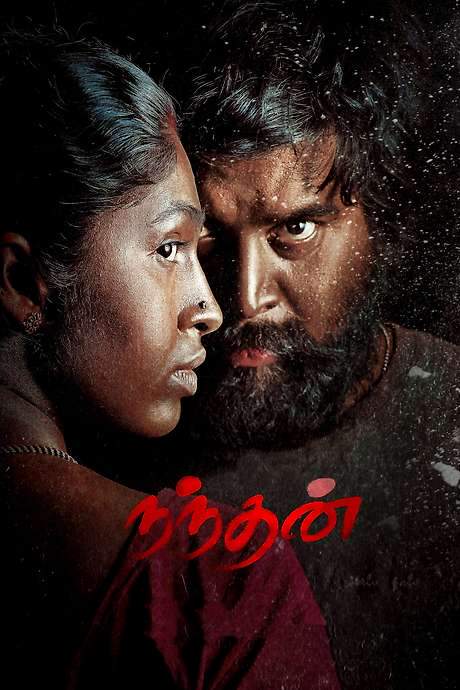
What Is Nandhan About?
The premise of Nandhan in 257 words, with nothing given away. The full story follows below.
In the dusty lanes of Vanangankudi, a tightly knit rural village clings to traditions that have long dictated who speaks and who listens. The community’s rhythm is set by an unspoken hierarchy, where land, temples, and the village board are the symbols of power. A slow‑burning tension lingers beneath the everyday rituals, giving the landscape a weighty, almost palpable atmosphere that hints at deeper currents of inequity and yearning.
Nandan enters this world as a quiet, determined member of the Scheduled Caste, whose aspiration to be seen goes beyond personal ambition—it reflects a broader call for dignity and representation. Across the field, Koppulingam embodies the legacy of the dominant group, having steered the village board for years and embodying the comfort of established authority. Their opposing paths illuminate the clash between an entrenched order and a modest yet stubborn desire to rewrite it, setting the stage for a story that feels both intimate and socially resonant.
Amid the simmering power play, Koozhpaana, a loyal domestic worker from the same marginalized community, finds himself drawn into the unfolding drama, his quietly steady presence hinting at unexpected resolve. The village’s bureaucratic landscape, represented by officials such as Marudhudurai, adds another layer of complexity, where rules and reservations become both obstacles and opportunities. As the characters navigate a world where tradition meets the promise of change, the film drapes its narrative in a tone that is both stark and hopeful, inviting viewers to wonder how far an underdog might go when the very foundations of his society begin to shift.
What Happens in Nandhan?
The complete story of Nandhan, from the first scene to the last, in 452 words (about 2 minutes). Spoilers throughout.
Spoilers ahead
In the village of Vanangankudi, politics and caste collide around Koppulingam [Balaji Sakthivel] as the two-term president from the dominant community. For the upcoming elections, his group nominates him again, but Nandan [Mithun Bose], a member of the Scheduled Caste, demands representation. Yet Nandan is chased out of the temple and later killed in a lorry accident. At Nandan’s funeral, Koppulingam receives a phone call that shocks him: the village panchayat has been converted to a reserved constituency, which would make him ineligible to contest. Concealing this fact, he deceitfully announces his willingness to allow an SC candidate to contest, seizing the moment to maintain control over the town’s future.
Koozhpaana, Ambedkumar [M. Sasikumar], a loyal domestic worker from the SC community, is maneuvered by Koppulingam into contesting and ends up winning unopposed. Yet the new leader undermines Koozhpaana’s authority, consigning him away from the panchayat office. The villagers rise in protest when Koozhpaana’s name appears on the board, but Koppulingam steps in, feigning support while his men quietly reveal the truth. During Independence Day celebrations, Koozhpaana faces humiliation as Koppulingam hoists the flag instead of him, a stark symbol of the power shift. The indignities continue when Koozhpaana’s grandmother’s corpse is barred from entry to the burial site by Koppulingam and his supporters, forcing Koozhpaana to bury the body in the rain.
Seeking justice, Koozhpaana turns to the Block Development Officer (BDO) Marudhudurai, who allocates a small patch of government land—about 10 cents—for a cremation ground that appears to be encroached by Koppulingam. When officials arrive to clear the encroachment, Koppulingam pretends to be magnanimous, allowing the removal. Yet soon he asserts that the land belongs to the village men and then demands Koozhpaana’s resignation in exchange for letting the villagers stay. Koozhpaana complies, despite Marudhudurai explaining the reservation rules and the barrier it creates to his bid for power.
The crackdown intensifies as Koppulingam’s men brutally beat Koozhpaana, and Selvi [Suruthi Periyasamy] vandalizes their home, driving them from their residence. The pressure also reaches Marimuthu, Nandan’s father, who is coerced into contesting the election. Undeterred, Koozhpaana files nomination papers, determined to challenge the long-standing dominance. Koppulingam responds with coercion and terror, forcing Koozhpaana to withdraw his nomination. In a turning twist, the BDO uncovers Marimuthu’s withdrawal letter, leaving Koozhpaana effectively unopposed and supported by the villagers who have come to see him as their voice.
As the narrative moves toward its close, Ambedkumar takes his place in the village president’s chair, marking a hard-won victory through perseverance and collective resolve. The first signature on the new administration’s pages signals a new chapter for the community, one shaped by resilience and a hard-fought sense of representation, rather than fear or intimidation.
Nandhan Timeline: Every Key Event in Order
15 key events in the order they happen, from “Nomination and Nandan's SC demand” to “Koozhpaana's swearing-in”. 15 events name a place, across 14 locations.
- 1
Nomination and Nandan's SC demand
Koppulingam is nominated again as the village board president for the upcoming elections. Nandan, a member from the Scheduled Caste, demands inclusive representation in the panchayat. This challenge threatens the established power structure in Vanangankudi village.
When:Pre-election Where:Vanangankudi village
- 2
Nandan chased from temple and dies in accident
Nandan's demand for representation leads to a confrontation at the village temple, where he is chased out. He is later killed in a lorry accident, shocking the community. The incidents set the stage for intensified political maneuvering around the election.
When:Pre-election Where:Temple and on the road to the lorry
- 3
Funeral revelation: reserved constituency announced
At Nandan's funeral, Koppulingam receives a phone call revealing that the panchayat seat has become reserved for SC candidates. The news makes him ineligible to contest under the new rule, a fact he chooses to hide. He begins to plot how to keep control despite the change.
When:Funeral Where:Nandan's funeral, village
- 4
Koppulingam plans to exploit the situation
Concealing the reserved-constituency status, Koppulingam publicly signals willingness to allow an SC candidate to contest. He intends to exploit the situation to maintain his grip on the village administration. The move helps him project legitimacy while steering the process in his favor.
When:After funeral Where:Panchayat office
- 5
Koozhpaana wins unopposed
Koozhpaana, a loyal domestic worker from the SC community, is manipulated by Koppulingam to contest the election. He ends up winning unopposed, presenting a façade of inclusion. The victory reinforces Koppulingam's influence over the village council.
When:Election Where:Panchayat office, village
- 6
Koppulingam sidelines Koozhpaana
After the election, Koppulingam undermines Koozhpaana's authority, and he is pushed away from the panchayat office. The official board order bears his name, while Koozhpaana's role remains subordinate. Villagers watch the power shift with concern.
When:Post-election Where:Panchayat office
- 7
Ambedkumar name revealed; protest
During Independence Day preparations, Koppulingam humiliates Koozhpaana and publicly hoists the flag. The act exposes Koozhpaana's original name Ambedkumar, triggering protests about identity and representation. The crowd witnesses the display as a symbol of oppression.
When:Independence Day Where:Independence Day venue, village
- 8
Independence Day humiliation continues
The humiliation escalates as Koozhpaana remains sidelined while the flag is raised by others. The incident underscores the power imbalance in the village and deepens the hurt among the SC community. Villagers realize the politics behind symbolic gestures.
When:Independence Day Where:Independence Day celebration site
- 9
Grandmother's burial denied; rain-soaked burial
Koozhpaana's grandmother's corpse is denied entry to the burial site by Koppulingam and his men. He insists on denying the burial, forcing Koozhpaana to bury the body amidst the downpour. The act fuels anger and strengthens the resolve of the oppressed community.
When:Following Independence Day Where:Burial ground, village
- 10
BDO allocates land for cremation ground
Seeking justice, Koozhpaana meets BDO Marudhudurai, who allocates 10 cents of government land for a cremation ground. Officials notice encroachment by Koppulingam and intervene. The move creates a potential legal counterweight to the domination in the village.
When:Post-burial Where:BDO office and cremation ground
Show the other 5 events of Nandhan Hide the last 5 events
- 11
Encroachment removal and later land claim
Officials arrive to remove the encroachment, and Koppulingam initially cooperates, permitting clearance. He later claims the villagers' land as his own and demands Koozhpaana's resignation in exchange for letting the villagers stay. The tactic reveals his opportunistic attitude toward rules and people.
When:Post-encroachment Where:Cremation ground and village land
- 12
Violence, intimidation, and defiance
Koppulingam's men brutalize Koozhpaana, and Selvi vandalizes their home, forcing them to retreat. Koozhpaana remains defiant despite the threats and violence surrounding him. The confrontation intensifies the community's sense of injustice.
When:Post-encroachment Where:Village area and homes
- 13
Coerced candidate and nomination
Marimuthu, Nandan's father, is coerced into contest to bolster the anti-Koozhpaana campaign. Meanwhile, Koozhpaana files nomination papers, determined to challenge Koppulingam's control. The village is gripped by fear and political pressure.
When:Pre-election Where:Election office, village
- 14
Withdrawal pressure and unopposed status
Koppulingam uses intimidation to force Koozhpaana to withdraw his nomination. The BDO later uncovers Marimuthu's withdrawal letter, enabling Koozhpaana to become unopposed with broad community support. The maneuver paves the way for a potential leadership change.
When:Election day Where:Election scene and BDO office
- 15
Koozhpaana's swearing-in
Koozhpaana, also known as Ambedkumar, signs the village president's chair for the first time. The chair had refused him earlier, but he now sits there as the elected leader. The moment marks a hard-won ascent after a long struggle and symbolic vindication for the community.
When:Inauguration Where:Village president's chair
Who Are the Main Characters in Nandhan?
5 characters, among them Koppulingam, Koozhpaana / Ambedkumar and Marudhudurai: who each one is and the part they play in the story. Every profile links to the actor’s page.
- K
Koppulingam
Played by Balaji Sakthivel
A ruthless village strongman who has held the panchayat presidency for two terms and uses fear, coercion, and spectacle to keep power. He weaponizes reserved-seat politics to deny representation and humiliates opponents, revealing a calculated commitment to control.
- 👑 Authority
- 🗳️ Political Power
- 🗂️ Caste Politics
- K/
Koozhpaana / Ambedkumar
Played by M. Sasikumar
An SC domestic worker who rises to contest representation for his community. He faces manipulation and harassment but remains determined to challenge the status quo, eventually becoming an unopposed village president with broad support.
- ✊ Representation
- 🧭 Courage
- 🗳️ Politics
-

Marudhudurai
Played by Samuthirakani
The Block Development Officer who attempts to apply reservation rules and allocate land for a cremation ground, acting as a check on local power. He navigates bureaucracy to uphold principles of fairness and legal process.
- 🏛️ Bureaucracy
- ⚖️ Fairness
- 🗂️ Governance
- N
Nandan
Played by Mithun bose
A young aspiring candidate who seeks representation for the Scheduled Castes but is chased out and ultimately killed in a lorry accident, underscoring the dangers faced by activists and the stakes of political inclusion.
- 🎯 Ambition
- 🗡️ Tragedy
- 🧭 Representation
- S
Selvi
Played by Suruthi Periyasamy
A loyal domestic worker from the SC community who endures harassment and the destruction of her home by Koppulingam’s supporters, symbolizing the personal cost of political conflict and the resilience of the oppressed.
- 🏡 Domestic Struggle
- 🧭 Solidarity
- 🕊️ Resilience
Where and When Is Nandhan Set?
Nandhan is set in Vanangankudi village (Present-day). Here is why the time and place matter to the story.
When
Present-day
The story unfolds in a contemporary rural Indian setting during an election cycle. It engages with current issues of reserved constituencies and representation for marginalized communities. The events reflect ongoing social and political tensions in many parts of the country.
Where
Vanangankudi village
Vanangankudi is a rural Tamil village where local life centers on the panchayat, temple, and community networks. The dominant caste leadership shapes everyday decisions, from who can contest elections to who is buried and where. The setting foregrounds social hierarchies and political maneuvering that drive the plot.
- 🏘️ Rural village
- 🗳️ Local elections
- 🧭 Caste dynamics
What Are the Themes of Nandhan?
3 ideas the story keeps returning to, among them Power & Control, Representation and Solidarity.
-
01
Power & Control
An examination of how local elites wield power to preserve dominance over land, resources, and political influence. Koppulingam's actions show how control over the panchayat and temple enforces a social hierarchy. The film highlights manipulation, intimidation, and the suppression of dissent as tools of authority. It demonstrates the fragility of democratic processes when money and caste networks override fairness.
-
02
Representation
Central to the plot is the demand for rightful representation of marginalized communities in local governance. Koozhpaana's struggle embodies the courage required to challenge entrenched systems. The story explores the costs and rituals of political participation, including threats to personal safety and social stigma. The resolution emphasizes the power of collective citizen action when supported by institutions and the community.
-
03
Solidarity
The narrative shows how solidarity among marginalized groups and supportive villagers can challenge oppressive arrangements. Selvi and other community members stand up to intimidation, reinforcing the idea that justice is a collective effort. The film portrays alliances that cross caste lines as essential for meaningful change. It also suggests that change may come slowly, through persistent community engagement and lawful processes.
What Kind of Film Is Nandhan?
Tense in tone, with steady pacing and a moderate story, going by the plot summary.
- Tone
- Tense
- Pacing
- Steady
- Story
- Moderate
- Intensity
- High
- Ending
- Happy
A tense and emotionally heavy political drama that builds an oppressive atmosphere of systemic injustice, culminating in a hard-fought but hopeful victory for the underdog.
- oppressive
- grim
- tense
- hopeful
- defiant
- socially charged
- political corruption
- caste discrimination
- social justice
- underdog story
Content notes: political violence, caste-based discrimination, death, coercion, public humiliation.
Quiz
How well do you remember Nandhan? Test yourself on the story.