


Where to Watch Namme
See current US streaming, rental, and purchase options for Namme (2017) via JustWatch.

Streaming availability powered by 
Namme Plot Summary
Read the complete plot summary and ending explained for Namme (2017). From turning points to emotional moments, uncover what really happened and why it matters.
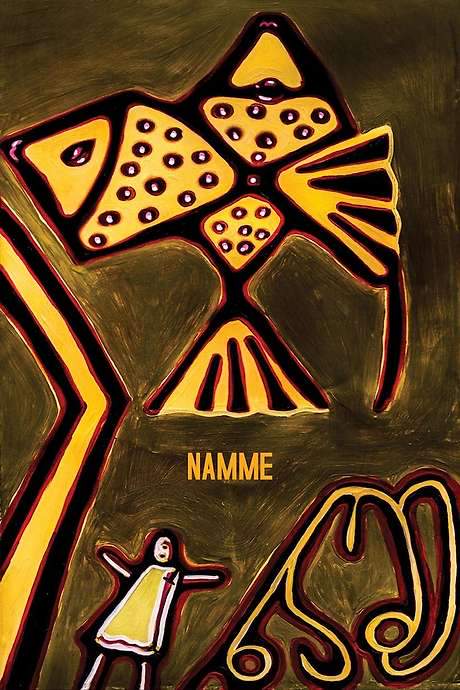
Namme, Mariska Diasamidze, is Ali’s daughter who grows up surrounded by three older brothers, each charting a radically different path in life. The film unfolds as a meditation in slow cinema, where there are no clear heroes or villains, but rather a textured atmosphere that mirrors the filmmaker Zaza Khalvashi’s desire to convey the feel of the world he knows. The opening shot lingers on a rock by a flowing river, a long, observant take that sets the film’s rhythm and invites the audience to listen to the quiet rather than chase a conventional narrative.
Within this family, one brother is Muslim [Nuri], Ramaz Bolkvadze; another is an atheist who works as a teacher in a single-pupil class [Lado], Roin Surmanidze; and the third is a Christian Orthodox priest who participates in the building of a church [Giorgi], Ednar Bolkvadze. Namme and her father Ali inhabit a space that feels both intimate and arcane, where ancient rituals meet the practicalities of daily life. The family also serves as fishkeepers, tending to waters believed to be sacred because of a mystic fish passed down through generations. This lineage anchors Namme in a tradition that binds her to her father’s vision, especially as her brothers reject that icon-like path and pursue their own beliefs.
The film moves deliberately between rural rituals and the creeping encroachments of modernity. In the countryside, Namme and her father enact pagan rites and healing ceremonies, drawing upon water they regard as powerfully charged by ancestral forces. The mystic fish—an emblem of their family’s guardianship—lends the healing process its sacred atmosphere, and the family’s role as caretakers of the fish becomes a linchpin for the community’s sense of well-being. Yet as the narrative progresses, Khalvashi introduces a quieter intrusion: the building of a weir, a concrete symbol of technical progress that disrupts the natural flow of the river and, with it, the health of the fish. The water’s vitality falters, and the fish grows sick, signaling that the sacred practice depends as much on the surrounding environment as on ritual.
This tension between tradition and progress also foregrounds Namme’s personal struggle. Puritan attitudes close off private life as a source of spiritual strength, tightening the hold of communal expectations on Namme’s future. Yet she experiences love, a development that undermines the very power she has been trained to wield. As Namme’s romantic feelings bloom, her healing abilities begin to wane, and the balance between public duty and private happiness becomes a central, unsettling question. The story does not offer a simple answer; instead, it traces the unraveling of a carefully maintained system from within, showing how personal longing can erode collective rituals when the two compete for space and legitimacy.
As the water grows more troubled, Namme’s inner conflict intensifies. She faces a stark choice: to protect and perpetuate the traditional practices that heal the village or to honor a more intimate, individual life that risks dissolving the sacral power her family has safeguarded. The film treats this choice with a patient, almost ceremonial gravity, avoiding melodrama in favor of an observant portrait of a person negotiating place, belief, and desire. In a quietly decisive moment, Namme steps back from forcing the water to heal, allowing the sacred fish’s power to recede. Her emancipation from the background expectations of kin and tradition is both a personal release and a cautious redefinition of what healing can mean when it is no longer bound to ancestral rites.
The closing imagery returns to water, but with a new poise. In a final, emblematic scene, Namme walks on the surface of the water and gradually dissolves into the fog. The moment is deliberately enigmatic: is she merging with the universe, or stepping beyond the world of the family’s sacred water into a more private, non-mystical existence? The audience is left to decide, invited to interpret the ending through the film’s textures—its slow pace, its patient, almost still-life compositions, and the way sound and image carry emotion when dialogue is scarce.
Throughout Namme, the visual and sonic language is essential. Long, unhurried shots, landscapes that breathe with wind and water, and a soundscape that emphasizes quiet rather than chatter all contribute to a mood of contemplative realism. The film’s structure mirrors the rhythm of a day in a living, breathing ecosystem: the river’s flow, the weir’s shadow, the fish’s fragile life, and the stubborn persistence of tradition all intersect with the incursion of modern life. Khalvashi’s approach is not about delivering a conventional plot; it is about preserving the atmosphere of a place and a way of life, allowing audiences to feel the weight of history and belief as living forces.
In the end, Namme’s journey is a study in emancipation and ambiguity. By choosing to let go of the pressures of guardianship—both of the sacred fish and of the communal ritual ecosystem—she makes room for a future that could be intimate, solitary, or perhaps more open to reform. The film leaves viewers with a resonant image: a figure who has walked on water, now fading into fog, suggesting that some truths endure not as absolutes but as possibilities that drift beyond the shore of mutual expectation. Namme invites reflection on how communities sustain themselves when the sanctified methods of healing collide with personal longing, and it asks whether healing can continue when the holy waters no longer serve the same function they once did.
Namme Timeline
Follow the complete movie timeline of Namme (2017) with every major event in chronological order. Great for understanding complex plots and story progression.
Opening: Namme and the sacred river
The film opens with a long shot of the rock by the flowing river, introducing Namme and her family. Namme is Ali’s daughter, part of a clan where three brothers embody different worldviews. The family preserves a ritual in which water and a mystic fish heal people, and Namme is expected to follow her father’s path.
Three brothers, different ideologies
One brother is Muslim, another is an atheist teacher, and the third is a Christian Orthodox priest helping build a church. Their beliefs contrast with Namme and her father’s pagan healing tradition. This dynamic frames the tension between tradition and modern rationalism.
The fishminder duty
Namme is bound to the family’s role as the fishminder, keeping the sacred fish and performing healing rituals with the water. Her father’s path is presented as the ordained way for Namme, while her brothers reject the father’s icon. This duty anchors the community's belief in the healing power of water.
Shift to urban life
Tactically, the magical space of the river yields to a broader view of urban surroundings, signaling a broader narrative scope. The quiet, rhythmic world begins to intersect with city life. The film shows a shift in scale as urban surroundings infiltrate the narrative.
The weir’s construction
The construction of the weir intrudes into the landscape, introducing a human-made element that changes the local ecology. The film hints that such development disrupts the water’s sanctity and the fish's health.
Pollution and sick fish
With the weir, water pollution begins to affect the fish, challenging the healing power rooted in the sacred water. Namme notices that her abilities are waning as the environment degrades.
Puritan rules and love forbidden
Namme faces norms that forbid romantic relationships, creating tension between private life and communal tradition. The puritanical stance threatens her ability to maintain her healing role.
Namme falls in love
Namme falls in love, and this personal awakening subtly weakens her power to heal. The shift suggests a growing conflict between her heart and the ritual obligation.
Dilemma and decision
Namme confronts the choice between pursuing a private life and preserving the family’s sacralized tradition of healing. She weighs the public good against personal happiness.
Emancipation and release
Namme emancipates from the background and lets the fish go, signaling a break with the inherited ritual. She asserts her own agency by releasing the sacred fish back into the environment.
Final image: walking on water
In the final shots, Namme walks on water and gradually fades into the fog, hinting at a possible union with the universe. The scene leaves open whether she continues a private life or remains tied to the mystic cycle.
Audience interpretation
The film closes with ambiguity about Namme’s fate, inviting the audience to decide what she becomes—part of the universe or a private life beyond ritual.
Namme Characters
Explore all characters from Namme (2017). Get detailed profiles with their roles, arcs, and key relationships explained.
Namme (Mariska Diasamidze)
Namme is the daughter caught between sacred family duties and her own desires. She begins as a healer who tends to people with water-based rituals but gradually questions the price of maintaining the ancestral path. Her evolution centers on personal autonomy, love, and the tension between private life and communal responsibility.
Lado (Roin Surmanidze)
Lado is the teacher in a single-pupil class, representing secular, rational thinking within the family. He embodies the ideological contrast to traditional beliefs, highlighting the friction between intellectual modernity and ritualistic practice. His stance adds a counterpoint to the film's atmosphere of mystic slow cinema.
Giorgi (Ednar Bolkvadze)
Giorgi is the Christian Orthodox priest who participates in building the church, symbolizing organized religion and communal tradition. He anchors the religious thread within the family and acts as a foil to the mystical healing rites. His presence underscores the plurality of faiths within the same household.
Nuri (Ramaz Bolkvadze)
Nuri represents the Muslim brother, embodying another religious voice within the family. He contributes to the spectrum of belief that coexists in the household, illustrating the theme of coexistence and tension among different faiths. His stance adds to the film's exploration of ritual, identity, and the limits of tradition.
Namme Settings
Learn where and when Namme (2017) takes place. Explore the film’s settings, era, and how they shape the narrative.
Location
Rural riverbank, Urban outskirts
The film unfolds across a rural riverside where the family sustains a sacred water tradition via a mystic fish. The setting shifts to the surrounding area as the weir is built, introducing a contrast between pastoral life and modern infrastructure. The river's edge acts as a liminal space where ritual healing occurs and where pollution becomes a threat to the community.
Namme Themes
Discover the main themes in Namme (2017). Analyze the deeper meanings, emotional layers, and social commentary behind the film.
🌿
Tradition vs Modernity
Namme's world sits at the intersection of ancestral rituals and changing times. The family's water-based healing tradition clashes with the encroaching modern development symbolized by the weir. The film uses slow, meditative pacing to highlight how tradition resists but is gradually redefined by new pressures. Ultimately, Namme's choice to break with the old path marks a turn toward personal autonomy.
💧
Sacred Water
Water is both a healing force and a source of power inherited through generations. The mystic fish and pagan rituals frame healing as a communal act bound to nature. Pollution and environmental change threaten the water's potency, forcing characters to re-evaluate who may wield its power. The water becomes a symbol of life, risk, and spiritual responsibility.
🕊️
Freedom & Emancipation
Namme's love and personal desires challenge the family's strict tradition that governs healing work. The narrative follows her journey from obedience to self-determination, culminating in a dissolution of the father's path. The ending suggests liberation rather than definitive resolution, inviting the audience to interpret Namme's fate. The film frames emancipation as a quiet, existential awakening rather than a dramatic conquest.

Coming soon on iOS and Android
The Plot Explained Mobile App
From blockbusters to hidden gems — dive into movie stories anytime, anywhere. Save your favorites, discover plots faster, and never miss a twist again.
Sign up to be the first to know when we launch. Your email stays private — always.
Explore the mobile appNamme Spoiler-Free Summary
Discover the spoiler-free summary of Namme (2017). Get a concise overview without any spoilers.
In the mist‑kissed heights of the Georgian mountains, a remote village draws its life‑force from a crystal‑clear spring that locals treat as a living relic. The water, guarded for generations, is believed to hold a quiet, healing power that sustains the community’s wellbeing. Within this isolated world, the family that watches over the spring lives in rhythm with the landscape, their daily rituals echoing ancient, pagan reverence.
The patriarch, Ali, is the keeper of the spring’s secrets, and when his sons move away, he entrusts the delicate stewardship to his only daughter, Namme. She steps into a role that has long been bound by tradition, shouldering responsibilities that her three brothers—each carrying a distinct worldview, from devout faith to secular thought—have chosen to abandon. Their differing paths create a subtle undercurrent of tension, hinting at how personal belief can clash with collective duty.
Beyond the mountains, the encroaching pulse of modern life begins to whisper through the valley, suggesting new possibilities and unseen pressures that challenge the family’s age‑old practices. The quiet cadence of the film mirrors this contrast, moving slowly like the river itself, inviting viewers to feel the weight of heritage while sensing an inevitable shift on the horizon.
The tone is meditative and lyrical, bathed in natural light and the soft sounds of water, allowing the audience to linger on each visual breath. As Namme embraces her guardianship, the story teases the delicate balance between preserving a sacred legacy and the pull of an ever‑changing world, leaving the outcome as open and mist‑filled as the mountains themselves.
Featured on this page

What's After the Movie?
Not sure whether to stay after the credits? Find out!
Check out our other apps:

SAT Sphere
Build confidence for the Digital SAT.

Mori Atlas
Discover wild places worth protecting.

Luntero
Search smarter for a home in Amsterdam.

Plot Explained
Unravel movie endings and hidden clues.

Pokechamp
Dive into Pokémon data and battle logic.

Driving Theory
Get ready for your European theory test.

Movie Dust
Plan your next cinema trip with ease.

Musemap
Find art and culture as you travel.

Selkobase
Compare credentials before committing.

Local Manual
Turn an unfamiliar country into practical next steps.

Lernavi
Compare school systems before your next move.

GymRoam
Find a workout stop wherever your plans take you.
Explore Our Movie Platform
New Movie Releases (2026)
Famous Movie Actors
Top Film Production Studios
Movie Plot Summaries & Endings
Major Movie Awards & Winners
Best Concert Films & Music Documentaries
Movie Collections and Curated Lists
© 2026 What's After the Movie. All rights reserved.
Privacy Policy