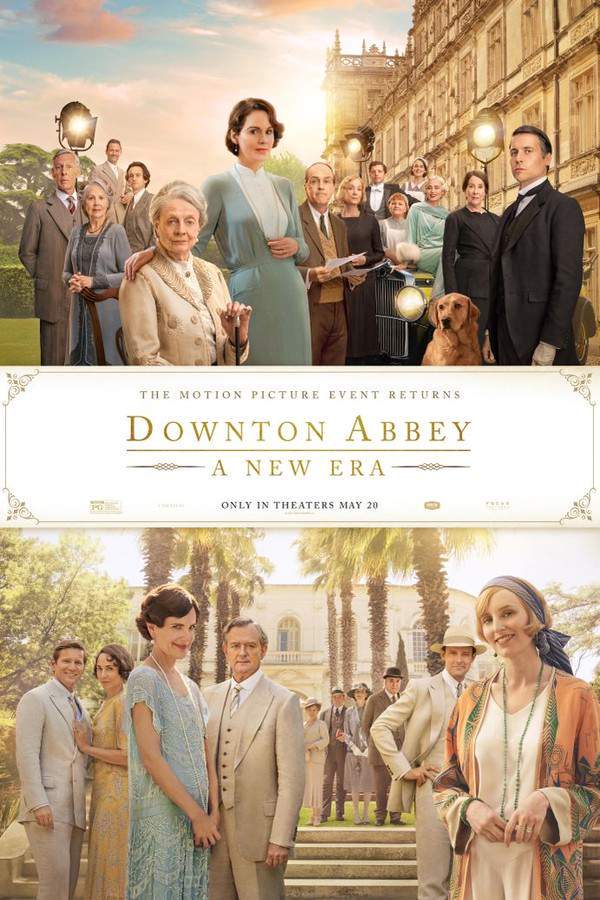
What Is Downton Abbey: A New Era About?
The premise of Downton Abbey: A New Era in 303 words, with nothing given away. The full story and the ending follow below.
In the sun‑dappled gardens of Downton Abbey, the grand estate continues to pulse with the rhythm of a world caught between tradition and change. At its heart stands the resolute Earl Robert Crawley, ever‑mindful of his responsibilities, and his spirited daughter Lady Mary Talbot, whose sharp intellect often guides the family through modern dilemmas. Beside them, the ever‑observant matriarch Violet Crawley offers wit and wisdom, while Cora Crawley brings a warm, transatlantic perspective that softens the house’s ironclad customs.
The tranquil routine takes an unexpected turn when Violet reveals a long‑forgotten gift: a splendid villa nestled in the South of France, bequeathed to her decades ago. The prospect of a sun‑kissed retreat ignites curiosity and excitement throughout the household, promising a brief escape from the English countryside’s misty routine. As the Crawleys contemplate this alluring foreign haven, the promise of new scenery and hidden histories stirs both the upstairs family and the downstairs staff, setting the stage for an adventure that blends elegance with a hint of mystery.
Simultaneously, a bustling film crew arrives at Downton, intent on using the estate as the backdrop for a silent picture. Lady Mary sees an opportunity to fund essential repairs, while the ever‑pragmatic but slightly apprehensive Mr. Carson watches the intrusion with a blend of concern and fascination. The clash of cinematic ambition with the estate’s painstaking order offers a delightful source of humor, as servants and aristocrats alike navigate the chaos of cameras, costumes, and unexpected personalities.
Against this backdrop of sunny French possibilities and the clatter of silent‑film production, the Crawley family and their loyal staff find themselves balancing duty, love, and the thrill of the unknown. The film promises a charming blend of drama and light‑heartedness, inviting viewers to savor the elegant world of Downton while teasing the delightful disruptions that lie ahead.
What Happens in Downton Abbey: A New Era?
The complete story of Downton Abbey: A New Era, from the first scene to the last, in 661 words (about 3 minutes). Spoilers throughout. Names in the text link to 12 cast member pages.
Spoilers ahead
Tom Branson, portrayed by Allen Leech, is a widowed son-in-law of the Earl of Grantham who finds love again with Lucy Smith, played by Tuppence Middleton. Lucy is the illegitimate child and sole heir of Lady Maud Bagshaw, a character brought to life by Imelda Staunton, who is well-known as Queen Mary’s Lady-in-waiting.
In a surprising twist, Violet Crawley, portrayed by Maggie Smith, the formidable Dowager Countess of Grantham, shocks her family by introducing George Murray, the family lawyer. He unveils a captivating piece of history: Violet had once been gifted a villa in the South of France by the Marquis De Montmirail decades ago. Violet passionately decides to pass this villa down to her great-granddaughter, Sybbie, the daughter of Tom and the late Lady Sybil Crawley.
As Violet reminisces, she reveals that her visit to the Marquis was quite the affair, leading her to ponder his motivations. The family is left to speculate his intentions while a new threat emerges; the current family associated with the deceased Eduoard decides to legally challenge the Crawleys over the villa’s ownership.
In another fascinating development, a film production company approaches the family to use Downton as the backdrop for a silent film titled The Gambler. Initially hesitant, Robert Crawley, played by Hugh Bonneville, ultimately agrees to the arrangement after his eldest daughter, Lady Mary Talbot, argues that the revenue would be beneficial for repairing Downton’s roof.
To maintain oversight, Lady Mary insists that Mr. Carson, portrayed by Jim Carter, accompany Robert, despite his reservations about the film project. As preparations begin, excitement fills the household, but the arrival of the film crew quickly disrupts the daily life at Downton.
Anna Bates, played by Joanne Froggatt, along with Daisy, eagerly anticipate meeting the leading actress, Myrna Dalgleish, portrayed by Laura Haddock. However, their admiration quickly fades when they realize Myrna’s behavior is far from gracious; she treats the staff rudely, which does not sit well with Robert.
The new Marquis De Montmirail extends an invitation to the family for a visit to the villa, insisting they stay with him rather than at a hotel. Though Violet can’t make the journey, Tom, Lucy, Lady Bagshaw, Robert, and his wife Cora, played by Elizabeth McGovern, alongside their daughter Edith, portrayed by Laura Carmichael, accept the invitation, leaving Lady Mary behind to oversee the film’s production with the help of Mrs. Hughes.
As the story unfolds, Butler Thomas Barrow confides in Mrs. Hughes about his sexuality, adding depth to the character dynamics. Upon arrival at the villa in France, tension rises when Madame Montmirail contests Violet’s ownership, even as the Marquis insists it legally belongs to her. He shocks Robert by suggesting that their shared birth dates could imply a familial connection.
Amid concerns over Cora’s health, Robert grapples with the possibility of losing his mother and wife. Back at Downton, the production of The Gambler collapses when silent films fall out of favor, prompting Lady Mary to suggest dubbing dialogue instead. The casting of actor Guy Dexter, played by Dominic West, and the complications surrounding Myrna’s accent lead to creative solutions despite the setbacks.
As the film is salvaged, Cora takes charge in helping to refine Myrna’s American accent, which proves pivotal for her career. The subplot involving Edith, stifled in her role as a marchioness, indicates her desire to get back into her work at the London magazine she owns. The Downton servants step in to aid in the film’s completion, showcasing their loyalty and resilience.
Eventually, revelations about Violet’s connection with the Marquis come to light, though they bring little solace to Robert, who faces increasing stress amidst his family’s turmoil. In a heart-wrenching conclusion, Violet’s health deteriorates, leading to her passing, surrounded by loved ones, leaving a poignant legacy behind. As life at Downton continues, the family evolves, welcoming Tom and Lucy back with their child, and honoring the memory of the beloved Dowager Countess with her portrait hanging in the main hall.
Downton Abbey: A New Era Timeline: Every Key Event in Order
15 key events in the order they happen, from “Tom Branson Finds Love” to “Life at Downton Moves On”. 9 events name a place, across 3 locations.
- 1
Tom Branson Finds Love
Tom Branson, a widowed son-in-law of the Earl of Grantham, discovers love again with Lucy Smith. Lucy, the illegitimate child and sole heir of Lady Maud Bagshaw, brings a new sense of hope and happiness into Tom's life.
- 2
Violet Crawley's Revelation
Dowager Countess Violet Crawley shocks her family by introducing George Murray, their lawyer. He reveals that Violet owns a villa in the South of France, gifted to her by the Marquis De Montmirail, which she wishes to pass to her great-granddaughter, Sybbie.
Where:South of France
- 3
Controversy over Villa Ownership
As Violet shares her memories of the villa, tensions rise when the descendants of the deceased Eduoard legally challenge the Crawleys for ownership. The family is left to navigate the complexities of this unexpected threat.
- 4
Film Production Proposal
A film production company approaches the Crawley family to use Downton Abbey as the setting for a silent film titled *The Gambler*. Initially reluctant, Robert Crawley ultimately agrees, seeing the financial benefits for Downton.
Where:Downton Abbey
- 5
Lady Mary's Oversight
To ensure the film project remains under control, Lady Mary insists that Mr. Carson accompany Robert to oversee the production. Despite his doubts about the film, Mr. Carson's presence offers a sense of continuity.
Where:Downton Abbey
- 6
Disruption from Film Crew
As the film crew arrives at Downton, everyday life is disrupted by the chaos of production. The staff must adapt to the film crew's presence, changing their routines and expectations.
Where:Downton Abbey
- 7
Meeting the Leading Actress
Anna Bates and Daisy eagerly look forward to meeting Myrna Dalgleish, the leading actress of *The Gambler*. However, their excitement quickly turns to disappointment when they encounter her rude behavior towards the staff.
Where:Downton Abbey
- 8
Invitation to the Villa
The new Marquis De Montmirail invites the Crawley family to visit the villa in France. Although Violet cannot attend, Tom, Lucy, and other family members accept the invitation, leaving Lady Mary to manage the film production.
Where:Villa in France
- 9
Tensions at the Villa
Upon arriving at the villa, tensions escalate when Madame Montmirail contests Violet's ownership of the property. The Marquis insists on Violet's rightful claim, but the emotional strain begins to surface among the family.
Where:Villa in France
- 10
Concerns for Cora's Health
While the family navigates the complexities at the villa, Robert faces a personal crisis with Cora’s declining health. The threat of losing his loved ones weighs heavily on him, adding to the emotional turmoil.
Show the other 5 events of Downton Abbey: A New Era Hide the last 5 events
- 11
Collapse of the Film Production
Back at Downton, the silent film trend begins to fade, leading to the collapse of the *The Gambler* production. Lady Mary proposes dubbing dialogue as a solution to salvage the project amidst increasing difficulties.
Where:Downton Abbey
- 12
Cora's Role in Myrna's Career
Cora steps in to help Myrna Dalgleish refine her American accent, an effort that becomes crucial for Myrna's performance and future success. This collaboration highlights the importance of teamwork amidst the chaos.
- 13
Edith's Desire for Independence
Edith Crawley feels stifled in her new role as a marchioness and yearns to return to her work at the London magazine she owns. This subplot emphasizes her struggle for identity and fulfillment amidst familial expectations.
- 14
Violet's Health Declines
As revelations about Violet's past come to light, her health deteriorates significantly. Surrounded by loved ones, Violet's eventual passing leaves a profound impact on the family, marking the end of an era.
- 15
Life at Downton Moves On
In the aftermath of Violet’s passing, the Crawley family begins to adapt to their new reality. Tom and Lucy return with their child, and the family honors Violet's legacy by hanging her portrait in the main hall, commemorating her influence.
Where:Downton Abbey
Who Are the Main Characters in Downton Abbey: A New Era?
3 characters, among them Tom Branson, Violet Crawley and Lucy Smith: who each one is and the part they play in the story. Every profile links to the actor’s page.
-

Tom Branson
Played by Allen Leech
Tom Branson is a widowed son-in-law of the Earl of Grantham, characterized by his strong morals and devotion to his family. His journey to find love again with Lucy Smith showcases his resilience and ability to embrace change amidst personal tragedy.
- 👨❤️👨 Love
- 🛠️ Resilience
-
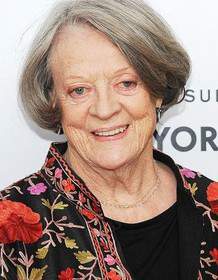
Violet Crawley
Played by Maggie Smith
Violet Crawley, the Dowager Countess of Grantham, is known for her sharp wit and formidable presence. As she contemplates her past and reflects on the legacy she wishes to leave, her character embodies the strength and complexity of matriarchal love.
- 👵 Wisdom
- 🎭 Legacy
-

Lucy Smith
Played by Tuppence Middleton
Lucy Smith, the illegitimate daughter of Lady Maud Bagshaw, represents the evolving social structures of the time. Her romance with Tom Branson demonstrates themes of acceptance and new beginnings, breaking societal norms associated with lineage.
- 💓 Romance
- 🌹 Acceptance
Where and When Is Downton Abbey: A New Era Set?
Downton Abbey: A New Era is set in Downton Abbey and South of France (Early 20th Century). Here is why the time and place matter to the story.
When
Early 20th Century
The movie unfolds in the early 20th century, a period marked by significant social and technological changes. The transition from silent films to talkies illustrates the shifting entertainment landscape, while the interactions among the upper class reflect evolving societal norms.
Where
Downton Abbey, South of France
Downton Abbey serves as the ancestral home of the Crawley family, embodying English aristocracy and rich heritage. The villa in the South of France is a stunning location gifted to Violet Crawley, known for its historical significance and beauty, providing a stark contrast to life at Downton.
- 🏰 Manor
- 🌍 Villa
What Are the Themes of Downton Abbey: A New Era?
3 ideas the story keeps returning to, among them Loss, Film Production and Love and Relationships.
-
01
Loss
The theme of loss permeates the film as the Crawley family faces Violet's declining health and eventual passing. This emotional journey highlights the impact of loss on familial bonds and the legacy left behind, demonstrating the enduring strength of love and memory.
-
02
Film Production
The integration of film production into the story showcases the intersection of traditional life and modern entertainment. As Downton serves as a backdrop for a silent film, it reflects the family's adaptability and the challenges of embracing new industry trends.
-
03
Love and Relationships
Romantic connections are explored through Tom Branson and Lucy Smith's relationship, emphasizing themes of second chances and moving forward after loss. The dynamics between family members also illustrate the complexities of love within the familial setting.
How Does Downton Abbey: A New Era End?
The last act of Downton Abbey: A New Era and what it means, in 396 words. The ending lands as bittersweet. Big spoilers: read the plot summary first if you have not seen it.
The final act, in full
Lady Violet’s death marks a poignant farewell to Downton Abbey’s old guard, as the beloved Dowager Countess passes away peacefully surrounded by her loved ones. Throughout her final moments, Violet shares her characteristic wit and warmth, offering advice and comfort to her family. She entrusts her close friend Isobel with her letters and shares heartfelt moments with her granddaughter Lady Mary, which highlight her lasting influence and the bond they shared. Her death symbolizes the passing of an era — Violet embodied the grandeur of the Edwardian period and the spirit of Downton itself. With her gone, the Crawley family begins a new chapter, led now by Lady Mary, who steps into her own role as the matriarch.
Meanwhile, the film explores ongoing storylines that suggest both closure and new beginnings. Lady Mary, despite her strong leadership at Downton and her dedication to preserving the estate during the filming of a movie, is left without her husband Henry Talbot, who is away in Istanbul. This absence opens the door for her to consider new romances, echoing her grandmother’s youthful escapades. The movie hints at potential changes in her personal life, leaving her future love life uncertain, especially with the question of whether her marriage might end.
At the same time, the other characters find happiness in their own ways. Thomas Barrow finally gets a happy ending, leaving his life as the household butler to pursue a more open, authentic life with a new love interest who shares his desires for honesty and happiness. Carson returns to serve as the butler, training his successor Andy, ensuring the household’s legacy continues. The servants’ stories also advance; Moseley proposes to Mrs. Baxter and moves into a promising new career, while Mrs. Patmore rekindles her romance with Mr. Mason, setting the stage for more personal happiness.
The film concludes with the Crawley family and their loyal staff embracing a future filled with hope, love, and family unity. It leaves open the possibility of more stories, as the house and its inhabitants look ahead to the 1930s, carrying Violet’s memory but also celebrating the fresh start that her passing allows. The final shot, showing the family and the house intertwined with a sense of legacy, love, and new beginnings, underscores that while some old ties have been severed, others grow stronger — a testament to the enduring spirit of Downton Abbey.
What Kind of Film Is Downton Abbey: A New Era?
Bittersweet in tone, with steady pacing and a moderate story, going by the plot summary.
- Tone
- Bittersweet
- Pacing
- Steady
- Story
- Moderate
- Intensity
- Medium
- Ending
- Bittersweet
A sentimental and nostalgic drama that balances the warmth of a family saga with the melancholic weight of secrets, illness, and the passing of an era, offering both heartwarming reunions and poignant farewells.
- nostalgic
- sentimental
- dramatic
- hopeful
- heartwarming
- melancholic
- family legacy
- inheritance
- social change
- film industry
Content notes: terminal illness, death of a loved one.
Quiz
How well do you remember Downton Abbey: A New Era? Test yourself on the story.