What Is Dhobi Ghat About?
The premise of Dhobi Ghat in 303 words, with nothing given away. The full story follows below.
In the restless hum of Mumbai, a city where ancient lanes sit beside glass‑shimmering towers, the everyday rhythm becomes a backdrop for quiet longing and unexpected connection. The film opens on a cramped, heritage‑laden quarter, its weathered facades and bustling markets painting a portrait of a metropolis that never sleeps yet holds hidden alcoves for introspection. The tone is both intimate and expansive—soft, observant camera work captures the city’s vivid colors while allowing personal stories to breathe amidst the urban roar.
Arun is a solitary modern‑art painter, choosing to move into an aging flat simply for its view of the historic streets, seeking a space where his creative solitude can linger. Shai, an American investment banker on a sabbatical, arrives with a camera in hand, hoping to trade boardrooms for street‑level photographs and to understand the city beyond glossy postcards. Munna—a washer‑boy living in a cramped chawl with his family—dreams of breaking into Bollywood, his daily routine a blend of menial labor and whispered aspirations. Across the same hallway, Yasmin records simple video diaries, documenting her life, relationships, and the small joys that sustain her in a bustling neighborhood. Each carries a distinct yearning: Arun with his art, Shai with her lens, Munna with his cinematic hopes, and Yasmin with her desire to be seen.
Their lives intersect in the thin walls and shared spaces of the old building, where a stray spill, a delivered basket of laundry, and a curious gaze become the threads that subtly tie them together. Through a delicate mix of observation and participation, the narrative explores how strangers from disparate social strata can glimpse one another’s worlds, revealing Mumbai’s layered humanity. The film’s mood remains contemplative yet hopeful, inviting viewers to feel the city’s pulse while reflecting on the quiet moments that bind people across distance and class.
What Happens in Dhobi Ghat?
The complete story of Dhobi Ghat, from the first scene to the last, in 761 words (about 3 minutes). Spoilers throughout. Names in the text link to 4 cast member pages.
Spoilers ahead
In the vibrant chaos of Mumbai, Arun, a deeply introspective artist, grapples with a new chapter in his life as he prepares to move into an aged yet charming flat in the city’s older quarter. His choice of this apartment is deliberate—he desires a view of Mumbai’s historic streets and a taste of the city’s storied past. Despite its small kitchen, the flat boasts an attached bathroom, a rarity in such old buildings, setting the tone for Arun’s cautious journey into the city’s depths.
On the day of his move, Arun encounters Shai Edulji, an American investment banker on a sabbatical from her busy life, who has come to Mumbai to pursue her passion for photography. Their meeting is marked by an accidental spill of wine that ruins her top, but their interaction quickly evolves beyond initial awkwardness. Arun takes her back to his new apartment, leading to an immediate one-night stand. The following morning, Arun, embodying his usual solitary attitude, dismisses any hope of continuing their connection, citing his preference for loneliness. Angry and disappointed, Shai leaves — her wine-stained shirt remaining as a memento of their encounter.
Unbeknownst to Arun, this initial flat is also the place where Yasmin Noor, a lively woman from Maliabad in Uttar Pradesh, once lived. In her effort to reconnect with her roots and her brother Imran, Yasmin records heartfelt video diaries, which Arun discovers later—sentimental messages revealing her day-to-day life, her happiness at home, and her recent marriage to a somewhat aloof man. Yasmin’s tapes tell a story of ordinary life filled with hopes and struggles, echoing the lives of many living in Mumbai’s diverse neighborhoods.
Meanwhile, Prateik Babbar portrays Zohaib “Munna” Shaikh, a humble washerman living in a cramped chawl with his younger brothers and mother. Munna dreams of breaking into Bollywood, hoping to escape his impoverished surroundings. His tiny world revolves around his daily routine—laundry during the day, rats at night, and grappling with the undercurrents of local underworld connections. Munna’s life intersects with Arun’s when he delivers laundry to Arun’s new apartment, igniting a budding, albeit complicated, friendship.
As Arun documents Yasmin’s tapes and revels in plans for an upcoming art gallery in Sydney—potentially a platform to visit his ex-wife and child in Australia—Shai begins to immerse herself in Mumbai life more deeply. She befriends a socialite, Pesi, who introduces her to the city’s glittering social scene. In a bid to photograph and understand the lives of Mumbai’s working class, Shai starts following Arun and Munna, capturing the city’s raw, unfiltered essence, often without Arun’s knowledge.
Throughout these encounters, Munna shows Shai the underbelly of Mumbai—its laundry stations, crowded street markets, and the workers who keep the city moving. He harbors unspoken feelings for her but feels the weight of his social status holding him back. His brother Salim is involved in criminal activities, but Munna remains close to his family, disapproving of Salim’s choices even as they rely on underworld contacts to try and secure Munna a break in films.
As Shai’s photos and Arun’s tapes deepen her understanding of Yasmin’s life, she learns that Yasmin recently recorded a disturbing change in tone, hinting at suicidal thoughts and the despair that often haunts those behind the city’s bright façades. Yasmin’s life, once filled with joy and family visits, takes a darker turn, revealing her inner turmoil.
The plot thickens when Arun, disturbed by Yasmin’s deteriorating mental health and her recent marriage, moves out of his apartment, seeking a new beginning. This coincides with tragic news—Munna’s brother is killed, forcing the family to relocate and pushing Munna further into the struggle for his dreams. Despite these hardships, Munna boldly shows his portfolio to contacts in the film industry, determined to succeed.
Meanwhile, Arun completes a poignant painting featuring Yasmin among other elements of her life, symbolizing her presence and the memories she left behind. Shai, after discovering Arun’s new address, begins photographing him from afar—capturing his evolving life and the changes within him. When she finally locates Munna and seeks to reconnect, Munna, feeling betrayed and hurt, initially refuses to aid her again. Nevertheless, with a mixture of hurt and hope, he eventually gives her Arun’s new address, weaving together the threads of their intertwined lives.
Through these narratives, the film paints a rich and compassionate picture of Mumbai—a city alive with dreams, struggles, and stories of resilience. It’s a story about moments of connection, the pursuit of dreams amid adversity, and the subtle ways people’s lives intersect across social divides, revealing the city’s complex, beautiful tapestry of human experience.
Dhobi Ghat Timeline: Every Key Event in Order
13 key events in the order they happen, from “Arun moves into a new Mumbai flat” to “Shai seeks out Arun and Munna's trust”. 13 events name a place, across 7 locations.
- 1
Arun moves into a new Mumbai flat
Arun, a reclusive artist, plans to relocate to an old Mumbai apartment with views of the city. He specifically chooses the flat for its aesthetic appeal, despite its small kitchen and basic amenities. This move marks a new chapter in his life, leaving behind his previous rented place.
Where:Mumbai
- 2
Arun attends an art exhibition
After participating in an art exhibition, Arun meets Shai, an American investment banker interested in photography. Their encounter leads to a one-night stand, which she leaves angrily the next morning after Arun dismisses the idea of continuing their relationship. Shai had been wearing Arun's shirt as her top when she left.
Where:Exhibition venue
- 3
Introduction of Munna and delivery of laundry
Munna, a young washerman with hopes of breaking into Bollywood, arrives to deliver Arun’s laundry. He lives in poverty with his family in a small Chawl and has a routine of bathing at railway tracks. Arun mentions his upcoming move to Munna, asking him to continue laundry services at his new apartment.
Where:Mumbai chawl
- 4
Arun moves into his new apartment and finds Yasmin's tapes
Arriving at his new flat, Arun uncovers a small container left by the previous tenant with a silver chain, a ring, and three video tapes. These tapes are diaries of Yasmin Noor, in which she shares her life and communicates with her brother, revealing her happiness and her home that coincides with Arun's new place.
Where:Mumbai apartment
- 5
Arun receives news of an exhibition in Sydney
Arun’s manager informs him that art dealers want to open a gallery in Sydney featuring his works. Arun is pleased as this opportunity allows him to visit his ex-wife and child in Australia, marking a significant milestone in his artistic career.
Where:Mumbai
- 6
Shai and Munna develop a friendship
Munna and Shai meet when he delivers laundry to her home. She treats him warmly and they bond over mutual interests. Munna agrees to guide Shai around Mumbai to photograph the lives of the city's poor, and in return, Shai offers to help him get into the film industry.
Where:Mumbai
- 7
Shai starts photographing Arun secretly
Using her access via the construction site across Arun’s building, Shai begins secretly taking photos of Arun without his knowledge. This indicates her keen interest in him and her intention to understand more about his life from afar.
Where:Construction site near Arun's apartment
- 8
Revelation about Yasmin's life and her marriage
While watching Yasmin’s tapes, Arun learns that she has recently married a man who appears distant and annoyed. She records the tapes for her brother Imran, conveying her happiness but also her feelings of frustration and her desire for him to experience her life in Mumbai.
Where:Mumbai
- 9
Munna faces personal struggles and family issues
Munna continues working hard, washing clothes by day and killing rats at night to survive. He disapproves of his brother Salim’s criminal activities but remains close to him. Munna’s family moves to a new flat after his brother’s death, and Munna seeks a break into the film industry with his portfolio.
Where:Mumbai chawl/film industry
- 10
Yasmin’s final tape and her implied suicide
Arun watches Yasmin’s last tape, which reveals her mood has changed and she seems to contemplate suicide after learning her husband's infidelity. This deeply shocks Arun, prompting him to leave his apartment and move to a new location, grief-stricken and disturbed.
Where:Mumbai
Show the other 3 events of Dhobi Ghat Hide the last 3 events
- 11
Death of Munna's brother and Munna’s new aspirations
Munna’s brother is killed, leading him and his family to relocate once again. Munna visits a contact in the film industry, determined to pursue his dreams despite ongoing hardships. This marks a pivotal moment of loss and renewed hope for Munna.
Where:Mumbai
- 12
Arun completes his painting featuring Yasmin
Arun finishes a new painting that prominently features Yasmin, incorporating elements of her story and life. This symbolizes his connection to her and his emotional processing of her tragic story, culminating his artistic journey related to her tapes and life.
Where:Mumbai
- 13
Shai seeks out Arun and Munna's trust
Shai finds Munna and tries to reconnect, despite him feeling betrayed earlier. She asks about Arun and offers friendship, leading Munna to lie about Arun’s whereabouts. Shai leaves abruptly, but soon Munna changes his mind and runs after her car to give her Arun’s new address, seeking closure.
Where:Mumbai streets
Who Are the Main Characters in Dhobi Ghat?
3 characters, among them Arun (Aamir Khan), Shai (Monica Dogra) and Zohaib 'Munna' Shaikh (Prateik Babbar): who each one is and the part they play in the story. Every profile links to the actor’s page.
-
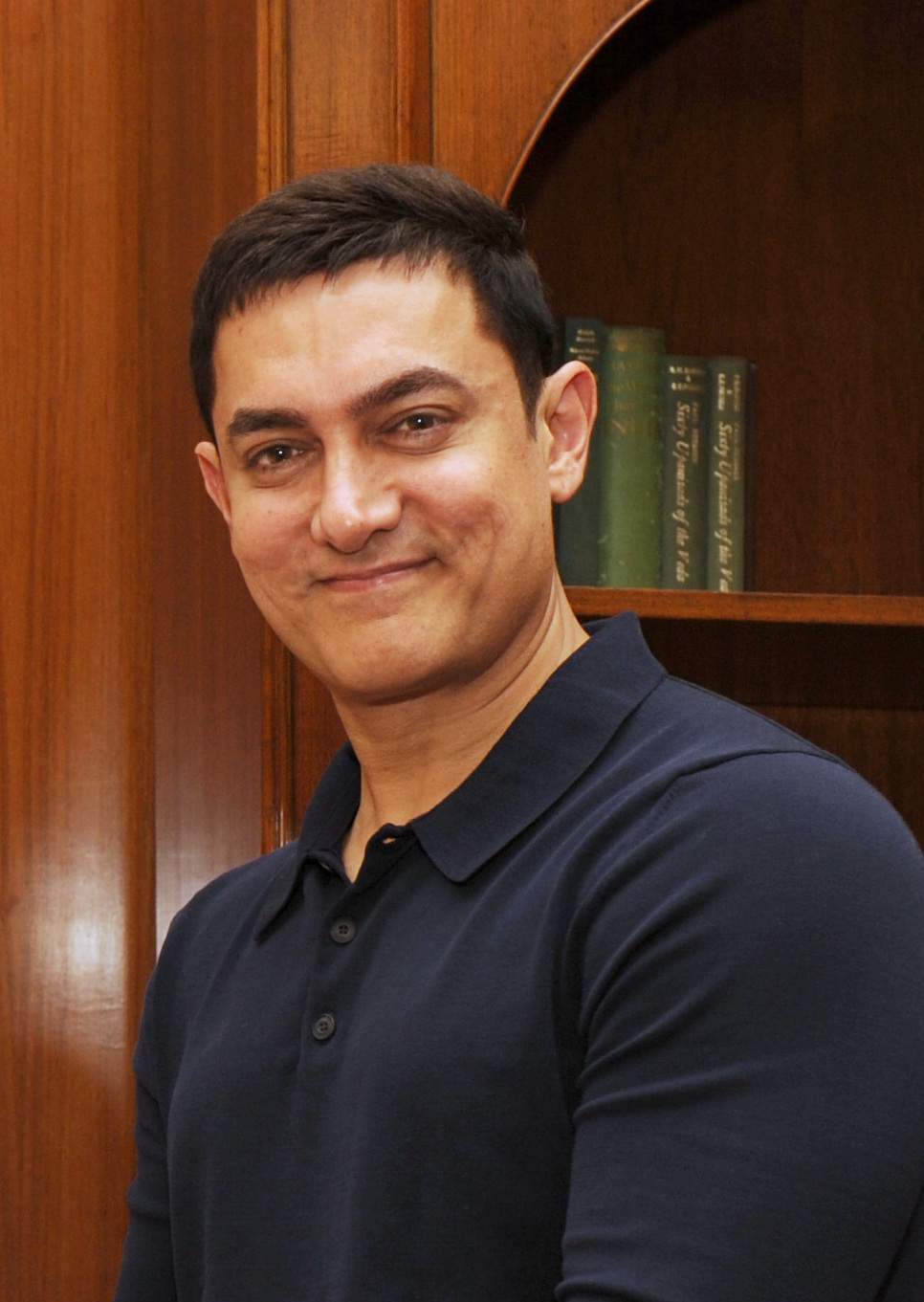
Arun (Aamir Khan)
Played by Aamir Khan
A reclusive artist seeking inspiration and reconnection with his past and family. His creative journey is intertwined with his emotional detachment and aspirations for recognition. Arun's character embodies introspection and the search for meaning beyond art.
- 🎨 Artist
- 🌿 Introvert
- 💔 Lonely
- S(
Shai (Monica Dogra)
Played by Monica Dogra
An American investment banker on a sabbatical, she is curious about Mumbai's socio-economic fabric. Shai's warmth and open-mindedness help her connect with people from diverse backgrounds, highlighting her compassionate nature.
- 🌏 Global
- 💼 Professional
- 🤝 Friendly
-

Zohaib 'Munna' Shaikh (Prateik Babbar)
Played by Prateik Babbar
A hopeful washerman dreaming of Bollywood, Munna is hardworking yet wistful about his limited social status. His desire for a better life and unspoken love for Shai drive his emotional depth and resilience.
- 👕 Washerman
- 🌟 Dreamer
- ❤️ Unfulfilled
Where and When Is Dhobi Ghat Set?
Dhobi Ghat is set in Mumbai and Maliabad (Contemporary, early 2000s). Here is why the time and place matter to the story.
When
Contemporary, early 2000s
The film takes place in the early 21st century, capturing Mumbai's dynamic social landscape. This period reflects a time of rapid urban development, economic opportunities, and diverse lifestyles, with characters navigating the city's changing face while maintaining their personal struggles.
Where
Mumbai, Maliabad
The movie is set primarily in Mumbai, India, depicting both the old, historic parts of the city and the bustling modern areas. Maliabad, a small town in UP, is also featured through Yasmin's background, highlighting regional diversity. Mumbai serves as a cultural and economic hub, showcasing a mix of traditional and contemporary urban life.
- 🌆 Urban
- 🎥 Film City
- 🕌 Old Mumbai
What Are the Themes of Dhobi Ghat?
3 ideas the story keeps returning to, among them Art and Self-Discovery, Class and Society and Loneliness and Connection.
-
01
Art and Self-Discovery
The movie explores how art serves as a medium for personal expression and healing. Arun's paintings and Yasmin's video diaries reveal inner lives and hidden stories, emphasizing the importance of creativity in understanding oneself and others.
-
02
Class and Society
Through characters like Munna, the film highlights social divisions, economic hardships, and aspirations beyond one's station. Munna's struggle to break into the film industry and his interactions with Shai and Arun showcase a desire for social mobility and recognition.
-
03
Loneliness and Connection
Characters grapple with emotional solitude despite being surrounded by Mumbai's chaos. Arun’s detachment, Shai's career breaks, and Munna's unspoken love demonstrate the universal search for authentic human connection amidst urban alienation.
What Kind of Film Is Dhobi Ghat?
Melancholic in tone, with slow pacing and a moderate story, going by the plot summary.
- Tone
- Melancholic
- Pacing
- Slow
- Story
- Moderate
- Intensity
- Medium
- Ending
- Bittersweet
A quietly melancholic and contemplative drama that intimately explores the intersecting lives and unfulfilled dreams of four individuals against the vibrant yet isolating backdrop of Mumbai.
- melancholic
- contemplative
- lonely
- nostalgic
- urban
- quiet
- interconnected lives
- social disparity
- urban isolation
- artistic expression
Content notes: suicide.
Quiz
How well do you remember Dhobi Ghat? Test yourself on the story.