What's After the Blog?
review • news
Undertone Review: A24 Podcast Horror Delivers Genuine Scares
A24's new horror film "undertone" uses innovative sound design and claustrophobic atmosphere to create one of the year's most frightening theatrical experiences. Director Ian Tuason's debut follows a podcast host who listens to mysterious audio files in her dying mother's house.
March 12, 2026
Undertone Review: A24 Podcast Horror Delivers Genuine Scares
Horror fans who have grown numb to jump scares and formulaic frights may find their faith restored in genuine fear with “undertone,” the debut feature from director Ian Tuason. Arriving in theaters March 13, 2026, this A24 release strips the genre down to its essentials—impeccable sound design, suffocating atmosphere, and the creeping dread of what might be lurking just outside the frame. The result is a film that manages to terrify without relying on the familiar tricks that have desensitized seasoned genre viewers.
The premise is deceptively simple. A podcast host listens to mysterious audio recordings in her dying mother’s house, and slowly, inevitably, things go very wrong. Yet Tuason transforms this modest setup into something genuinely unsettling through technical precision and a keen understanding of how horror operates on the senses rather than the intellect.
A Claustrophobic Single-Location Nightmare
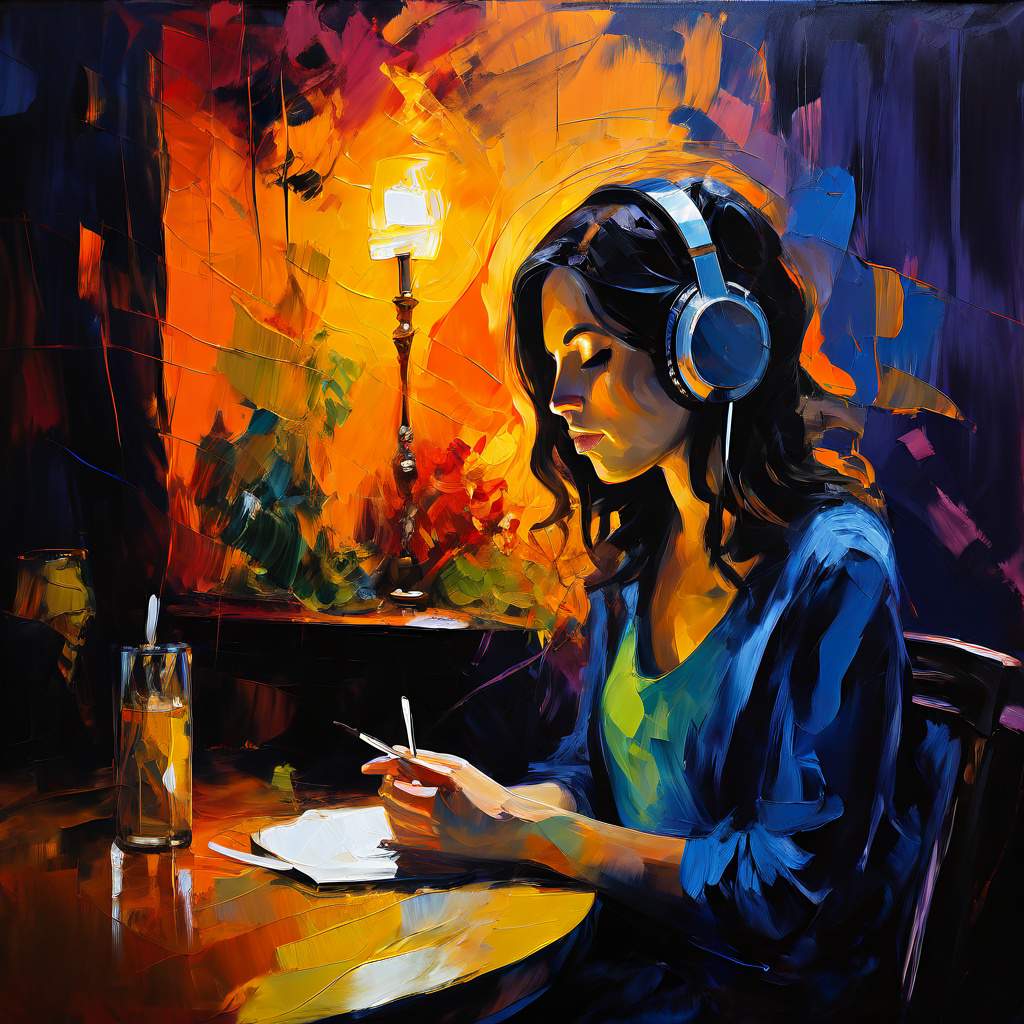
“undertone” never leaves its primary setting—a house that serves as both sanctuary and trap. The protagonist, Evy, has established a makeshift podcasting studio at her mother’s dining room table, and the camera remains fixed on this domestic space throughout. Evy and her comatose mother are the only physical presences ever seen on screen, creating an intimacy that quickly curdles into claustrophobia.
Director Tuason shot the film in his own parents’ house, a decision that pays dividends in authenticity. The space feels genuinely lived-in rather than production-designed, with the slightly outdated décor of a long-occupied family home. Religious iconography covers the walls—Catholic imagery that Tuason weaponizes for maximum unease. Anyone who grew up in a similarly decorated household will recognize the particular creepiness of dimly lit sacred objects, the way a painting of Jesus seems to track movement across a darkened room.
This setting could easily have become another trauma-driven horror narrative, a subgenre that has dominated recent years. The dying parent and oppressive religious environment suggest familiar thematic territory. Refreshingly, Tuason treats these elements as atmospheric texture rather than psychological foundation. The details color the film without defining it, allowing dread to emerge from situation and sensation rather than backstory.
The Power of Audio in Visual Storytelling
The film’s central device—characters listening to frightening recordings—might sound static on paper. Tuason and cinematographer Graham Beasley ensure it is anything but. Their visual strategy relies heavily on negative space, frequently framing star Nina Kiri off-center with darkened rooms looming behind her. This composition trains the audience to scan the shadows, to anticipate movement where none may come.
The sound design operates as the film’s true protagonist. When Evy dons noise-canceling headphones, the ambient sound of the house drops away, pulling viewers into her isolated auditory experience. The theatrical presentation matters significantly here; the review specifically recommends Dolby theaters for the full impact of the meticulously crafted audio landscape. The film understands that horror often works more effectively on the ears than the eyes.
The recordings themselves follow a classic creepypasta structure: a husband documents his wife’s increasingly disturbing sleep-talking, capturing phenomena that escalate beyond rational explanation. The audience knows what will happen, yet Tuason makes the journey there genuinely unnerving through pacing and sonic invention.
Internet-Age Horror Tropes Deployed Effectively
“undertone” draws heavily from digital folklore and online urban legends, incorporating several familiar internet-age horror elements:
- A supposedly cursed YouTube video that kills viewers
- Subliminal messages hidden in children’s nursery rhymes, revealed when played backward
- A vintage baby doll that whispers unsettling phrases when activated
These references could feel derivative or dated, but Tuason treats them as shared cultural vocabulary. The familiarity becomes an asset—audience recognition of these tropes creates immediate investment in the film’s reality. We’ve all encountered such legends on message boards and social media, making the supernatural threats feel grounded in contemporary experience.
This approach aligns with the film’s podcast framework. Evy and her unseen co-host Justin operate “The Undertone,” a show dedicated to paranormal investigation and online mysteries. Their dynamic—her skepticism against his belief—provides narrative structure while the audio files advance the plot. The podcast format also justifies the film’s sound-centric approach, making the technical choices feel organic to the story rather than merely stylish.
Performances and Technical Achievement
Nina Kiri carries nearly the entire film alone on screen, and her performance proves essential to its effectiveness. She creates genuine audience investment in Evy’s safety, making the escalating threats feel personal rather than abstract. The camera’s constant attention to her reactions—fear, curiosity, dawning horror—provides the emotional throughline that sustains the narrative.
The technical team matches her work beat for beat. The cinematography’s use of shadow and negative space creates visual tension without explicit imagery. The production design’s authentic domestic details ground the supernatural elements. And the sound design, as previously noted, operates at a level of sophistication that elevates the entire production.
Narrative Familiarity Versus Execution
The film’s weaknesses lie primarily in its story rather than its telling. Tuason’s screenplay follows recognizable patterns, particularly for viewers familiar with found-footage horror and its descendants. The connection to “Paranormal Activity” feels especially pronounced—unsurprising given that Tuason has been hired to reboot that franchise. Elements of “Sinister” and broader creepypasta culture also echo throughout.
These derivative qualities are undeniable. Yet “undertone” executes its familiar moves with such skill that the predictability becomes forgivable, even appropriate. The film functions as a demonstration of how craftsmanship can revitalize well-worn material. Horror fans have indeed seen this story before, but rarely with this level of technical assurance and genuine scare delivery.
The finale presents the only significant tonal misstep. After maintaining subtle, atmospheric dread for most of its runtime, the film accelerates into bombastic set pieces designed for maximum panic. The execution remains impressive, but the shift feels slightly unearned, almost apologetic for the preceding restraint. A more measured conclusion might have better served the film’s strengths.
Verdict and Theatrical Recommendation
Despite its narrative conveniences and overextended conclusion, “undertone” succeeds where countless horror films fail: it genuinely frightens. The review notes post-screening nervousness, eyes darting to shadows in parking lots—the lingering physiological response that distinguishes effective horror from mere entertainment.
The theatrical experience matters significantly. The sound design’s impact depends on quality audio presentation, making this a rare contemporary horror film that rewards big-screen viewing rather than eventual streaming. The March 13, 2026 release positions it as an early-year genre highlight, the kind of discovery that builds word-of-mouth momentum through genuine audience reaction rather than marketing hype.
For viewers seeking horror that prioritizes atmosphere over exposition, sound over spectacle, and sustained dread over sudden shocks, “undertone” delivers. It may not reinvent the genre, but it reminds viewers why the genre’s oldest tools still work when wielded with precision.
What’s After the Movie
Looking for more horror recommendations and industry coverage? What’s After the Movie offers comprehensive film information including detailed movie summaries, box office analysis, and spoiler-free guides to help you decide what to watch next. Whether you’re tracking upcoming releases like “undertone” or exploring our complete movie database, we provide the context and coverage that horror fans need to stay informed about the latest theatrical offerings.
Continue reading



What's After the Movie?
Not sure whether to stay after the credits? Find out!
Check out our other apps:

SAT Sphere
Build confidence for the Digital SAT.

Mori Atlas
Discover wild places worth protecting.

Luntero
Search smarter for a home in Amsterdam.

Plot Explained
Unravel movie endings and hidden clues.

Pokechamp
Dive into Pokémon data and battle logic.

Driving Theory
Get ready for your European theory test.

Movie Dust
Plan your next cinema trip with ease.

Musemap
Find art and culture as you travel.

Selkobase
Compare credentials before committing.

Local Manual
Turn an unfamiliar country into practical next steps.

Lernavi
Compare school systems before your next move.

GymRoam
Find a workout stop wherever your plans take you.
Explore Our Movie Platform
New Movie Releases (2026)
Famous Movie Actors
Top Film Production Studios
Movie Plot Summaries & Endings
Major Movie Awards & Winners
Best Concert Films & Music Documentaries
Movie Collections and Curated Lists
© 2026 What's After the Movie. All rights reserved.
Privacy Policy