What's After the Blog?
feature • news
Iconic Celebrities Who Appeared on The Twilight Zone
Rod Serling's anthology series served as a proving ground for numerous Hollywood legends during its original 1960s run. From future Oscar winners to comedy icons, these guest appearances remain some of television's most memorable performances.
February 17, 2026
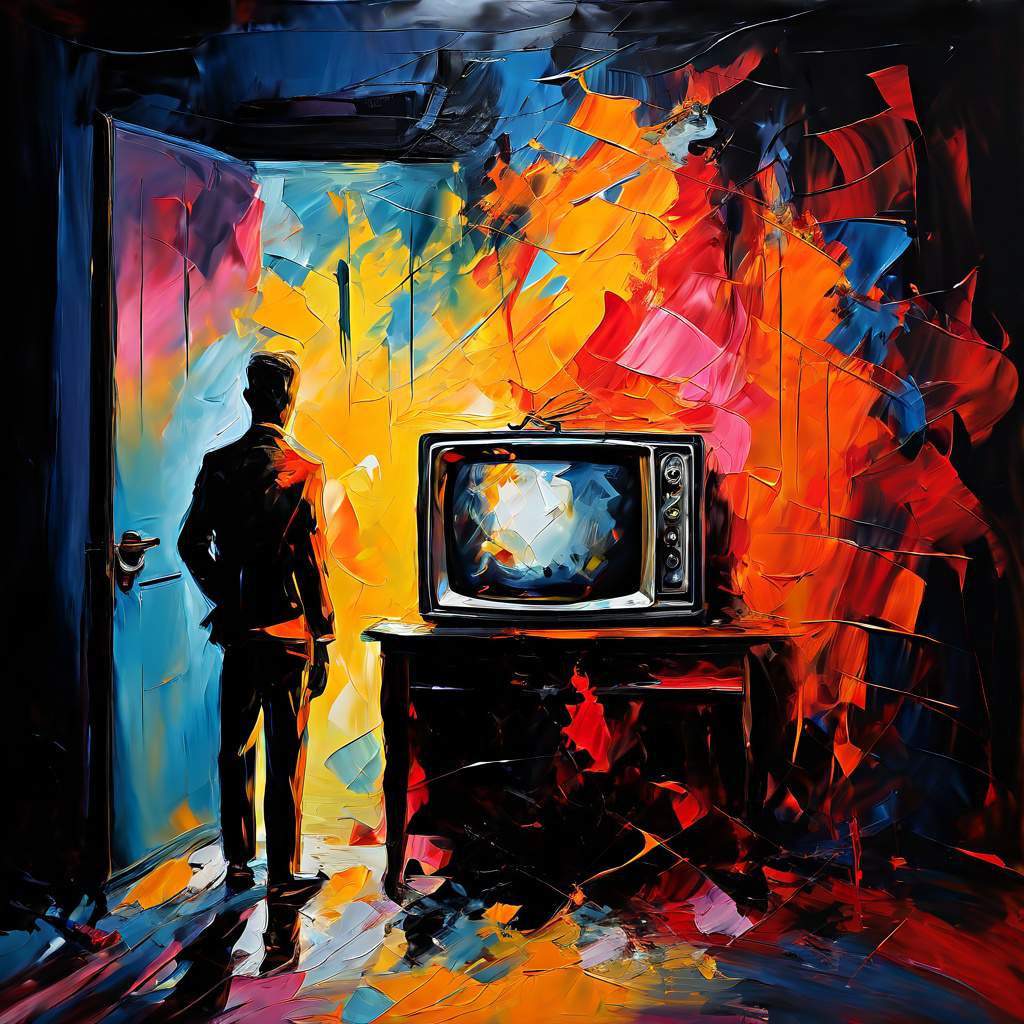
Iconic Celebrities Who Appeared on The Twilight Zone
The Twilight Zone remains one of television’s most influential anthology series, renowned for its blend of science fiction, horror, and social commentary. Created by Rod Serling as a creative response to network censorship of the era, the show utilized fantastical storytelling to explore complex human issues, attracting an impressive roster of guest stars who would later dominate Hollywood blockbusters and become household names.
Early Career Breakthroughs and Rising Stars
Long before Butch Cassidy and the Sundance Kid made him a superstar, Robert Redford appeared in Season 3’s “Nothing in the Dark,” portraying a police officer shot outside an elderly woman’s home. The episode’s twist reveals his character as Death himself, offering a gentle, kind face to guide souls rather than a terrifying specter. Though Redford’s performance lacked the polish of his later dramatic work, it provides a fascinating glimpse at raw talent in development and serves as an essential starting point for any retrospective of the actor’s career evolution.
Ron Howard’s earliest appearances predated his Andy Griffith Show fame, with the child actor featuring in Season 1’s “Walking Distance” as a neighborhood boy who briefly interacts with Gig Young’s time-traveling protagonist. This appearance marked the beginning of a transition that would eventually lead Howard behind the camera, where he found greater creative control and eventually stepped away from regular acting to protect his mental health—though he still occasionally appears in projects like The Studio.
Robert Duvall delivered what many consider a career-defining early performance in “Miniature,” essentially a psychological thriller predating Toy Story by decades. As Charley Parkes, he portrays a man who sees a museum doll come to life, eventually transforming into a doll himself to join her after no one believes his claims. The episode faced significant legal challenges when a scriptwriter claimed similarity to their work, resulting in temporary removal from syndication until the case was eventually dismissed.
Comedy Icons Taking Dark Turns
While The Twilight Zone provided occasional comic relief, it more often subverted expectations for performers known primarily for laughter. Don Rickles brought his insult-comic persona to “Mr. Dingle, the Strong,” playing Bettor, a man who beats up vacuum salesman Luther Dingle (Burgess Meredith) before facing revenge when Dingle receives superhuman strength from two-headed aliens. The episode’s silliness offered a reprieve from heavier installments, though the aliens ultimately strip Dingle of his powers for squandering his talents on crowd-pleasing stunts rather than meaningful achievements.
Carol Burnett appeared in the Season 3 entry “Cavender is Coming,” playing Agnes, a perpetually unlucky woman assigned a guardian angel named Harmon Cavender. Unlike typical Zone entries featuring ironic twists or karmic justice, this installment functioned essentially as a sitcom pilot that never materialized, prompting Rod Serling himself to apologize to Burnett for its tonal inconsistency. Fortunately, the comedy legend reportedly enjoyed the episode more than its creator, embracing the opportunity to showcase her talents in a lighter context.
No comedic actor, however, delivered a more terrifying performance than Cloris Leachman in “It’s a Good Life.” As Mrs. Fremont, mother to six-year-old Anthony (Billy Mumy), she portrays a woman living in constant fear of her reality-altering son’s whims. Her grimacing forced smiles and barely contained terror created one of the series’ most haunting images, later parodied in The Simpsons’ “Treehouse of Horror II” but never matched for genuine psychological horror.
Subverting Tough-Guy Stereotypes
The anthology format allowed established tough guys to display surprising vulnerability and range. Elizabeth Montgomery, best known for Bewitched, cited her role in Season 4’s “Two” as her favorite performance, playing a war survivor in a post-apocalyptic landscape opposite Charles Bronson. Speaking exclusively in Russian throughout the episode—a clear 1961 Cold War commentary—she portrays a woman who cannot abandon her warrior mindset despite the war’s end, while Bronson displays remarkable restraint and kindness as her counterpart, offering food and peace despite her aggressive posturing.
Dennis Hopper delivered a chillingly prescient performance in “He’s Alive” as Peter Vollmer, an American Nazi sympathizer who receives mentorship from a living Adolf Hitler. The episode’s unflinching examination of how fascism takes root in American soil proved disturbingly predictive of modern political movements. Hopper, whose own political views shifted dramatically throughout his life—from 1960s leftist activism to Reagan support and finally Obama endorsement—brought complex intensity to the role before his 2010 death.
Science Fiction Icons and Genre Legends
William Shatner cemented his science fiction credentials with two memorable appearances: first in Season 2’s “Nick of Time” as a man obsessed with a fortune-telling machine, then in the iconic Season 5 installment “Nightmare at 20,000 Feet.” The latter episode, directed by Richard Donner and written by Richard Matheson, features Shatner as a recovering mental patient who spots a gremlin tearing apart his plane’s wing—though his history makes him an unreliable witness. Despite Shatner’s initial concerns that audiences would laugh at the premise, the episode became one of the series’ most enduring entries.
George Takei brought crucial diversity to the predominantly white series in Season 5’s “The Encounter,” playing Arthur, a Japanese-American man trapped in an attic with a traumatized American soldier (Neville Brand). The episode directly confronts racial prejudice through a haunted sword artifact, though it faltered in equating Arthur’s father’s guilt over Pearl Harbor with the soldier’s killing of Japanese combatants. Takei’s committed performance joined Shatner in connecting The Twilight Zone to the Star Trek universe.
Villains, Vixens, and Character Actor Showcase
The series provided early exposure for actors who would define cinematic villainy. Julie Newmar played Miss Devlin—deliberately anagrammed from “Devil”—in “Of Late I Think of Cliffordville,” offering a bored businessman the chance to relive his wealth-building years with future knowledge. Her femme fatale interpretation of Satan set the stage for her iconic turn as Catwoman in the 1960s Batman series.
Richard Kiel utilized his seven-foot-plus frame to terrifying effect as a Kanamit in “To Serve Man,” the episode featuring one of television’s most shocking twist endings regarding the aliens’ true intentions. Decades later, Kiel—known to younger generations as Mr. Larson from Happy Gilmore and to Bond fans as Jaws—returned to the franchise in the 2020 revival’s “You Might Also Like,” written and directed by Osgood Perkins, though the follow-up proved more convoluted than the original’s elegant simplicity.
Martin Landau appeared twice: initially as a bullying gunslinger in Season 1’s “Mr. Denton on Doomsday,” then returning for a lead role in Season 5’s “The Jeopardy Room” after his Cleopatra-enhanced stardom permitted more substantial casting. Peter Falk appeared nearly unrecognizable under heavy makeup and a Fidel Castro-like beard in Season 3’s “The Mirror,” playing revolutionary Ramos Clemente in an allegory for the Cuban leader’s rise. However, the episode aged poorly upon revelation that Falk—of Polish and Russian descent rather than Hispanic heritage—played a Latin American character.
Notable Guest Star Appearances at a Glance
- Robert Redford: “Nothing in the Dark” (Season 3) – Death personified
- Ron Howard: “Walking Distance” (Season 1) – Neighborhood child in time-travel narrative
- William Shatner: “Nick of Time” (Season 2) and “Nightmare at 20,000 Feet” (Season 5)
- Elizabeth Montgomery & Charles Bronson: “Two” (Season 4) – Post-apocalyptic Cold War survivors
- Robert Duvall: “Miniature” – Man obsessed with animated museum doll
- Don Rickles: “Mr. Dingle, the Strong” – Antagonistic Bettor
- Julie Newmar: “Of Late I Think of Cliffordville” – Miss Devlin (The Devil)
- George Takei: “The Encounter” (Season 5) – Japanese-American man confronting prejudice
- Martin Landau: “Mr. Denton on Doomsday” (Season 1) and “The Jeopardy Room” (Season 5)
- Richard Kiel: “To Serve Man” – Alien Kanamit
- Peter Falk: “The Mirror” (Season 3) – Revolutionary Ramos Clemente
- Cloris Leachman: “It’s a Good Life” – Mrs. Fremont, terrified mother of godlike child
- Carol Burnett: “Cavender is Coming” – Clumsy Agnes with guardian angel
- Dennis Hopper: “He’s Alive” – Nazi sympathizer Peter Vollmer mentored by Hitler
A Legacy Preserved in Syndication and Memory
These guest appearances represent more than mere curiosities; they document the evolution of American acting through the lens of speculative fiction. While some episodes like “Miniature” faced temporary removal from circulation due to legal battles, and others like “The Mirror” reflect outdated casting practices, the series remains essential viewing for understanding how television’s most ambitious anthology attracted cinema’s biggest names before they dominated the box office.
Continue Your Television Journey with What’s After the Movie
For fans eager to explore more iconic television moments and the stars who shaped them, What’s After the Movie offers comprehensive coverage of classic and contemporary entertainment. Our platform provides detailed episode guides, career retrospectives, and industry analysis that contextualize these performances within broader Hollywood history. Whether you’re researching The Twilight Zone’s cultural impact or tracking your favorite actor’s complete filmography, visit our movie database and blog for spoiler-free summaries, box office data, and in-depth features on the medium’s most influential works.
Continue reading


What's After the Movie?
Not sure whether to stay after the credits? Find out!
Check out our other apps:

SAT Sphere
Build confidence for the Digital SAT.

Mori Atlas
Discover wild places worth protecting.

Luntero
Search smarter for a home in Amsterdam.

Plot Explained
Unravel movie endings and hidden clues.

Pokechamp
Dive into Pokémon data and battle logic.

Driving Theory
Get ready for your European theory test.

Movie Dust
Plan your next cinema trip with ease.

Musemap
Find art and culture as you travel.

Selkobase
Compare credentials before committing.

Local Manual
Turn an unfamiliar country into practical next steps.

Lernavi
Compare school systems before your next move.

GymRoam
Find a workout stop wherever your plans take you.
Explore Our Movie Platform
New Movie Releases (2026)
Famous Movie Actors
Top Film Production Studios
Movie Plot Summaries & Endings
Major Movie Awards & Winners
Best Concert Films & Music Documentaries
Movie Collections and Curated Lists
© 2026 What's After the Movie. All rights reserved.
Privacy Policy