What's After the Blog?
Explained
The Fantastic Four: First Steps Explained – Cosmic Deals, Family Sacrifice, and a Universe‑Shaking Baby
Step inside Marvel’s retro‑futurist reboot and discover why Galactus wants Sue Storm’s child, how Shalla‑Bal saves the day, and what Franklin Richards’ resurrection powers mean for the MCU.
July 25, 2025
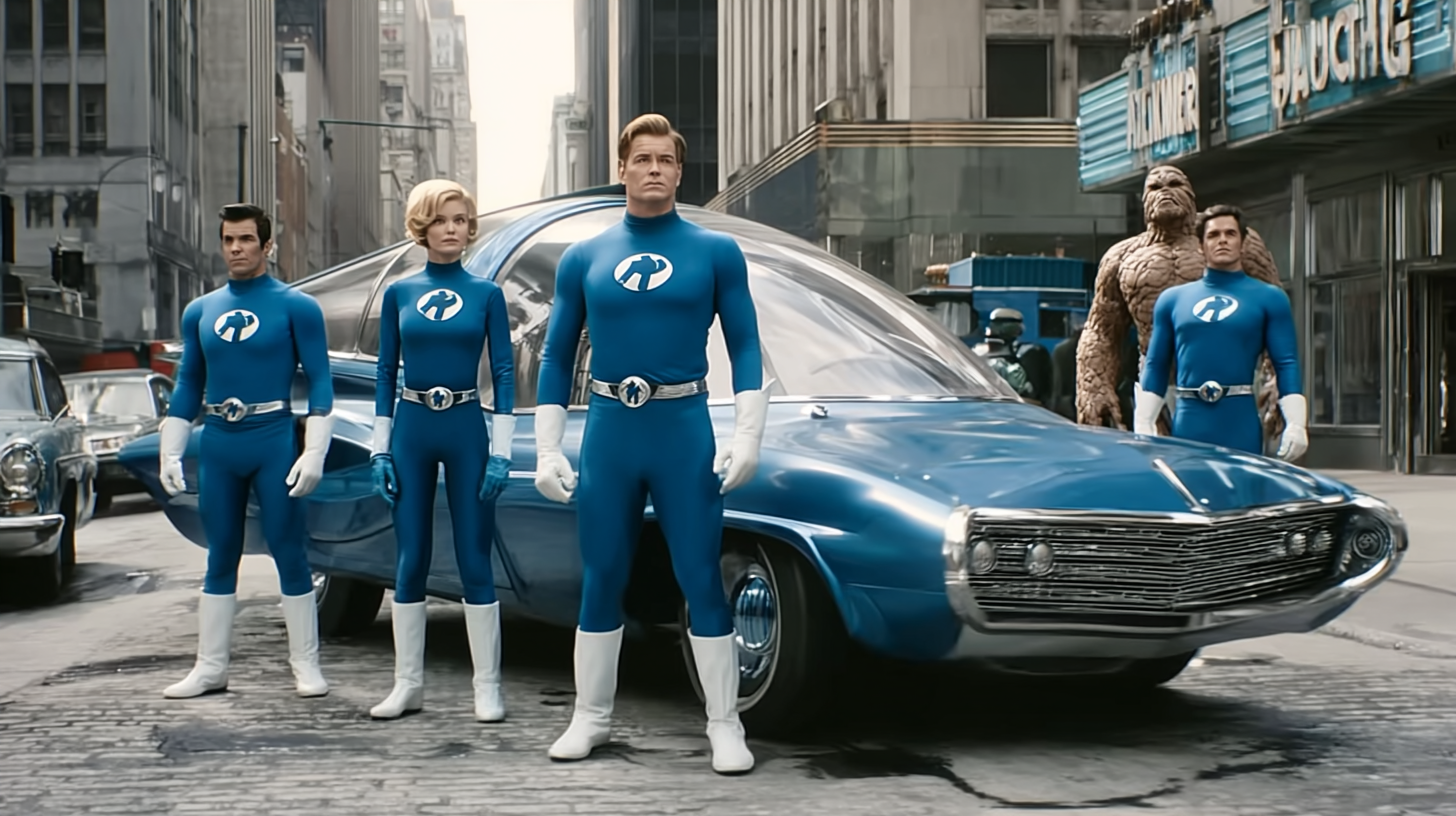
Movies mentioned in this article
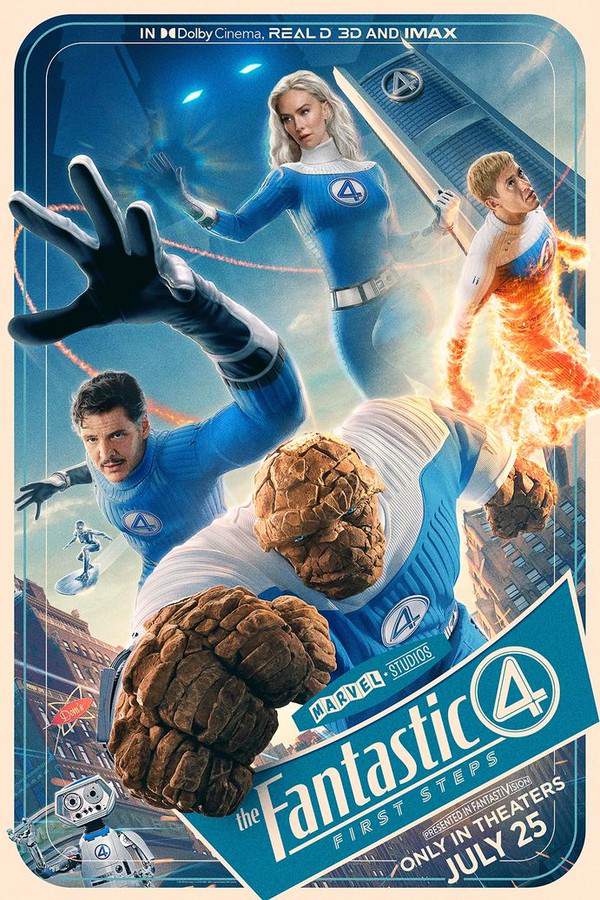
The Fantastic Four: First Steps Explained – Cosmic Deals, Family Sacrifice, and a Universe‑Shaking Baby
Spoiler warning: This article discusses every major twist in The Fantastic Four: First Steps.
Marvel’s latest entry lands with the same fearless swagger that defined Lee and Kirby’s original comics, yet it does so through the welcoming front door of the Multiverse Saga’s swinging Sixties aesthetic. If you want a concise rundown before diving in, the dedicated movie page on What’s After the Movie has a spoiler‑lite summary, quizzes, character profiles, and quick links to outside resources. What follows here is a deeper excavation of the plot, themes, and implications of director Matt Shakman’s cosmic curtain‑raiser.
Why does Galactus crave Sue Storm’s unborn child?
Soon after Reed Richards, Sue Storm, Johnny Storm, and Ben Grimm survive their origin‑making encounter with cosmic radiation, they face Galactus—the Devourer of Worlds—who arrives with a bargain as cold as the void. He promises to spare Earth if Sue will hand over her unborn son. Galactus senses that the child, Franklin Richards, already radiates the Power Cosmic and could absorb the endless hunger that has cursed him since the dawn of time. The Fantastic Four refuse, triggering an interplanetary chase that forms the film’s core conflict.
How does Franklin Richards’ birth change the stakes?
Reed’s fear that cosmic exposure might endanger Sue’s pregnancy turns out to be prophetic in a way he never imagined. Franklin’s birth scene—set on a shielded life‑raft drifting between teleportation “bridges”—is visually operatic, but it is the baby’s first display of reality‑warping power that re‑writes the odds. Comics readers know Franklin can forge entire universes; the film hints at that destiny when Galactus pauses mid‑onslaught, momentarily awed by the infant’s energy signature.
Who is Shalla‑Bal, and why does she betray Galactus?
Galactus’ silver‑skinned Herald, introduced only as “the Herald,” gradually reveals her true name—Shalla‑Bal—after Johnny Storm cracks her vibrant dialect. Once a mother whose own planet was spared in exchange for lifelong service, Shalla‑Bal carries centuries of guilt. The sight of Sue risking everything for Franklin breaks her loyalty chain; she recognizes that she has become an accessory to genocide. In the climactic confrontation, Shalla‑Bal redirects her surfboard like a comet and thrusts herself and Galactus through the last functioning teleportation bridge, condemning them both to the far reaches of the universe.
What happens during the battle on New York’s final “bridge”?
Reed’s global lattice of teleportation “bridges” is systematically demolished by the Herald until only the New York portal endures. The plan: use Franklin as bait, blind Galactus with Johnny’s nova‑flame, then push the titan into the bridge’s yawning singularity. Sue insists on leading the charge, cloaking herself and the stroller, but Galactus wrenches free. Sue’s psionic exertion kills her; the city’s skyline is cast in an eerie violet light as her force‑field shatters. Seconds later, Shalla‑Bal makes her fateful heel‑turn, fulfilling the sacrifice Sue began and sealing Galactus away.
How does Franklin Richards resurrect his mother?
In the film’s quietest scene, Reed lays Franklin on Sue’s lifeless chest as Ben and Johnny watch in stunned grief. Franklin’s eyes glimmer with a star‑field pattern, and an energy ripple knits Sue’s wounds, restoring her to life. The moment confirms that Franklin wields matter‑and‑life manipulation on a cosmic scale—even in infancy—mirroring his comic‑book counterpart’s near‑omnipotence.
What do the mid‑credits and post‑credits scenes set up?
Four years later, a toddler‑aged Franklin reads The Very Hungry Caterpillar in the Baxter Building nursery. Sue steps away, only to return and find Victor Von Doom—cloaked, mask in hand—quietly speaking to the boy. The implication is clear: Doom sees in Franklin the ultimate instrument for reshaping reality, and his arrival dovetails directly into the announced Avengers: Doomsday (2026). A final stinger rolls a grainy, 1960s‑style cartoon sequence, complete with Red Ghost and Puppet Master cameos, before flashing Kirby’s quote about creators living inside their characters—a meta wink that the Multiverse itself is now subject to Franklin’s baby‑soft grasp.
What themes drive First Steps beyond the spectacle?
At its molten core, First Steps is a film about parenthood, moral debt, and the line between salvation and destruction. Galactus embodies unchecked appetite; Sue and Reed embody nurture at any cost. Shalla‑Bal’s redemption arc reframes the Silver Surfer myth as a parable of reparations, while Franklin’s resurrection of Sue literalizes the belief that the next generation can heal the wounds of the past. The retro‑futurist production design doubles down on that idea: tomorrow’s technology encased in yesterday’s optimism.
How does First Steps shape the MCU’s future?
By exiling Galactus rather than killing him, the film preserves a cosmic wildcard who can return when Franklin (or Doom) tampers with universal equilibrium. Franklin’s sheer potential thrusts Earth‑828 into the MCU’s top tier of power hierarchies, rivaling the likes of Kang or the Celestials. Moreover, the film’s period‑piece pocket universe lets Marvel weave the Fantastic Four into ongoing storylines without rewriting Phase Four history. The curtain call practically shouts “Secret Wars,” and given the enthusiastic critical response on Metacritic, Rotten Tomatoes, and IMDb, audiences appear eager to follow. For box‑office watchers, Box Office Mojo already lists the film as July 25th’s breakout release.
Where can you dive deeper?
What’s After the Movie’s blog will continue tracking theories, cameo breakdowns, and Franklin’s comic origins as more Multiverse Saga entries drop. Meanwhile, sites like TMDB, Letterboxd, Media Stinger, JustWatch, and IMCDb catalog everything from streaming availability to deep‑cut vehicle cameos. Consider them complementary side‑quests while you await the next cosmic chapter.
The Fantastic Four’s first adventure in the MCU proves that beginnings can also be cataclysms—and that even a newborn can tip the scales of a universe. Whether Doom’s arrival at the Baxter Building is a warning or an opportunity depends on which reality Franklin decides to write next.
Continue reading




What's After the Movie?
Not sure whether to stay after the credits? Find out!
Check out our other apps:

SAT Sphere
Build confidence for the Digital SAT.

Mori Atlas
Discover wild places worth protecting.

Luntero
Search smarter for a home in Amsterdam.

Plot Explained
Unravel movie endings and hidden clues.

Pokechamp
Dive into Pokémon data and battle logic.

Driving Theory
Get ready for your European theory test.

Movie Dust
Plan your next cinema trip with ease.

Musemap
Find art and culture as you travel.

Selkobase
Compare credentials before committing.

Local Manual
Turn an unfamiliar country into practical next steps.

Lernavi
Compare school systems before your next move.

GymRoam
Find a workout stop wherever your plans take you.
Explore Our Movie Platform
New Movie Releases (2026)
Famous Movie Actors
Top Film Production Studios
Movie Plot Summaries & Endings
Major Movie Awards & Winners
Best Concert Films & Music Documentaries
Movie Collections and Curated Lists
© 2026 What's After the Movie. All rights reserved.
Privacy Policy