What's After the Blog?
feature • news
Sid Haig's Dual Roles in Forgotten Western Series Iron Horse
Sid Haig appeared in two episodes of the 1966 ABC western Iron Horse, playing different villains in each appearance. The late horror icon's guest spots on the short-lived series are now available to stream alongside other forgotten gems from his extensive television career.
June 29, 2026
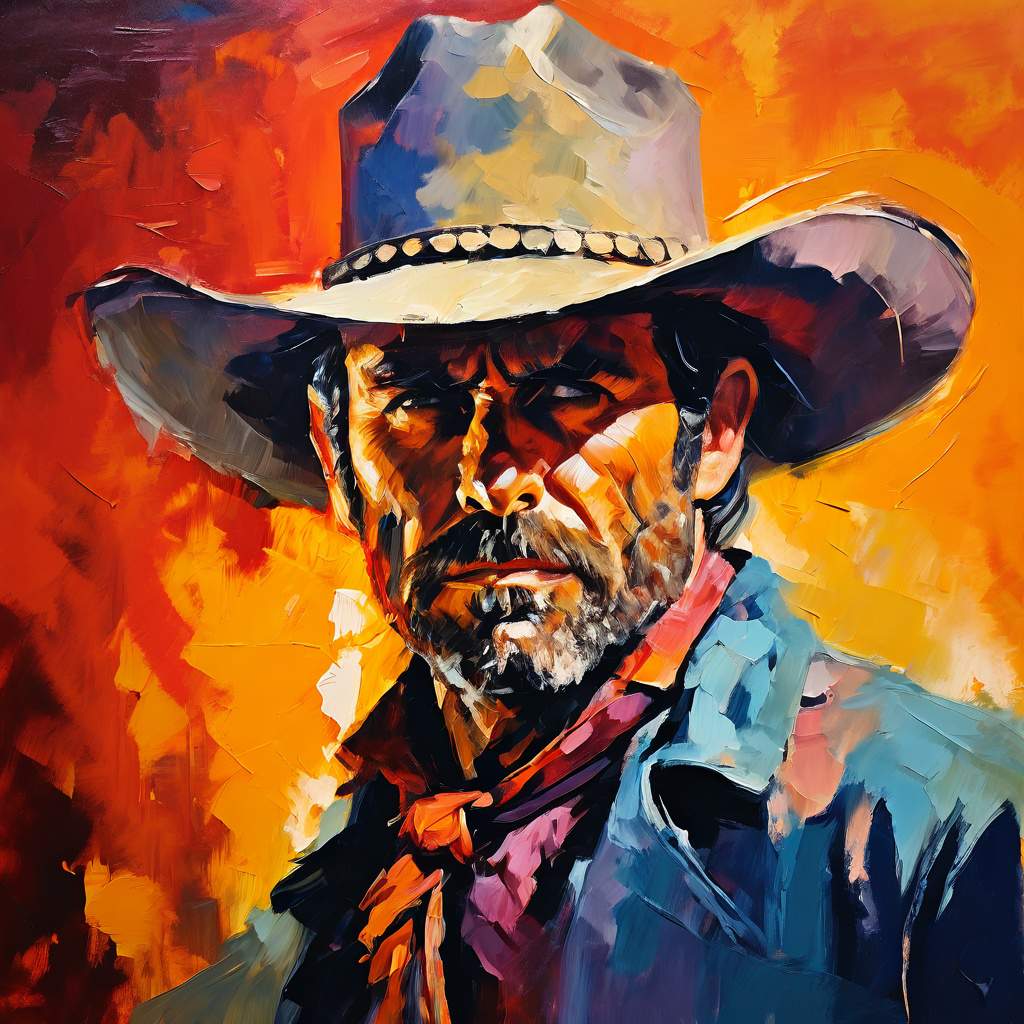
Sid Haig’s Dual Roles in Forgotten Western Series Iron Horse
Horror enthusiasts often trace their favorite performers through unexpected career detours, discovering that actors famed for monstrous personas frequently built their resumes through diverse genre work. Sid Haig, the instantly recognizable villain behind Captain Spaulding in Rob Zombie’s Firefly trilogy, exemplifies this phenomenon perfectly. While modern audiences know him for the wild-eyed menace of House of 1000 Corpses and The Devil’s Rejects, Haig spent decades as a working character actor whose distinctive grizzled features made him the quintessential Hollywood “heavy.” One particularly obscure entry in his filmography reveals this versatility: the late actor appeared twice in the short-lived 1960s ABC western Iron Horse, portraying two distinct outlaw characters during the series’ brief run.
Iron Horse: The Railroad Western That Time Forgot
Iron Horse galloped onto American television screens on September 12, 1966, offering a unique spin on the crowded western genre during its final years of network dominance. The series followed Ben Calhoun, played by Dale Robertson, a professional gambler who wins a struggling, incomplete railroad line in a high-stakes poker game. Over the course of two seasons, Calhoun attempted to complete the railway construction while facing frontier obstacles, financial troubles, and antagonists determined to see him fail. The show carved out a niche with its railroad-focused narrative, distinguishing itself from the cattle drives and sheriff stories dominating the era’s airwaves.
Despite its promising premise, Iron Horse struggled to find a lasting audience, concluding its run on January 6, 1968, after just 47 episodes. The series developed a minor reputation during its time for pushing boundaries, particularly in its depiction of Calhoun as a ladies’ man—content considered surprisingly risqué for 1960s broadcast standards. The cast included a young Ellen Burstyn, then performing under the name Ellen McRae, who portrayed Julie Parsons, Calhoun’s intermittent romantic interest. Though largely forgotten in the pantheon of television westerns, the series represents a fascinating time capsule of mid-60s network programming.
Sid Haig’s Two Faces: Vega and Rias
Haig’s contributions to Iron Horse came in the form of two memorable guest villain turns across the show’s two-season lifespan. In the first season episode titled “Town Full of Fear,” Haig appeared as Vega, bringing his signature intensity to the role of a western antagonist. The following season, he returned to the Iron Horse universe in “The Return of Hode Avery,” this time credited as Rias, another nefarious character opposing Calhoun’s railroad ambitions.
These appearances showcased Haig’s ability to embody different variations of the outlaw archetype while maintaining his distinctive screen presence. His grizzled visage and penetrating stare made him instantly recognizable, yet he managed to differentiate these western bandits from one another and from his later horror iconography. While Captain Spaulding would become his most enduring creation, these early television roles demonstrated the range that kept him employed across five decades in the industry. The characters Vega and Rias fit squarely within the “heavy” tradition—villains and henchmen who posed immediate physical threats to protagonists without requiring extensive backstory.
The Chameleon Actor: Haig’s Multiple Role Pattern
The Iron Horse appearances were hardly isolated incidents in Haig’s career. Rather, they represented standard operating procedure for one of Hollywood’s most prolific guest stars. Television production in the 1960s and 70s frequently recycled capable character actors in different roles, and Haig became one of the era’s most reliable recurring faces. His ability to play menacing heavies while bringing subtle distinctions to each performance made him invaluable to casting directors who needed immediate credibility and threat without lengthy character introductions.
This tendency to appear multiple times in single series as different characters became a hallmark of Haig’s early career:
• Mission: Impossible: Eight different roles across nine episodes during the show’s first five seasons • Gunsmoke: Four separate appearances as distinct characters • Fantasy Island: Four different guest roles • The Fall Guy: Four varied appearances • Alias Smith and Jones: Three separate parts • The Man from U.N.C.L.E.: Two different roles in 1967 alone, the same year as his second Iron Horse appearance • Police Story: Two distinct characters • Switch: Two separate appearances • Buck Rogers in the 25th Century: Two different parts • MacGyver: Two varied roles
This pattern speaks to Haig’s chameleon-like capabilities within his specific niche. He specialized in antagonists and authority figures, yet managed to avoid pure typecasting by bringing unique physicality and vocal choices to each part. In 1967 alone—the same year as his Iron Horse season two appearance—he also booked multiple roles on The Man from U.N.C.L.E., demonstrating his status as a go-to heavy for action-oriented television. His towering stature, distinctive facial structure, and penetrating gaze allowed him to command scenes immediately upon entry, explaining why producers repeatedly called him back to the same sets.
Streaming Availability and Historical Preservation
Today, Iron Horse survives primarily through streaming platforms that have rescued it from complete obscurity. The series is currently available on Tubi, allowing modern viewers to witness Haig’s early western work alongside other forgotten television artifacts. While the transfer quality reportedly leaves something to be desired, the accessibility provides valuable context for understanding the scope of Haig’s pre-horror career and the working conditions of 1960s television production.
These guest appearances serve as more than mere curiosities for completist fans. They illustrate the working life of a character actor in television’s golden age, when performers could build careers through steady guest work rather than series regular status. For Haig specifically, the western genre provided crucial training ground for the menacing charisma that would eventually define Captain Spaulding. The through-line from Vega and Rias to the clown-makeup-wearing patriarch of the Firefly family demonstrates consistent craft even across wildly different material. The preservation of these episodes captures a performer honing the specific menace that would later make him a horror icon, yet contained within the conventions of prime-time 1960s entertainment.
What’s After the Movie?
Discovering hidden gems like Sid Haig’s early television work is part of what makes exploring entertainment history so rewarding. At What’s After the Movie, we specialize in uncovering the stories behind your favorite films and series, from box office deep-dives to spoiler-free summaries and industry retrospectives. Whether you’re tracing an actor’s complete filmography or looking for streaming recommendations, our platform offers comprehensive coverage of classic and contemporary cinema. Visit our blog for more features on forgotten television series and the character actors who defined generations of entertainment.
Continue reading



What's After the Movie?
Not sure whether to stay after the credits? Find out!
Check out our other apps:

SAT Sphere
Build confidence for the Digital SAT.

Mori Atlas
Discover wild places worth protecting.

Luntero
Search smarter for a home in Amsterdam.

Plot Explained
Unravel movie endings and hidden clues.

Pokechamp
Dive into Pokémon data and battle logic.

Driving Theory
Get ready for your European theory test.

Movie Dust
Plan your next cinema trip with ease.

Musemap
Find art and culture as you travel.

Selkobase
Compare credentials before committing.

Local Manual
Turn an unfamiliar country into practical next steps.

Lernavi
Compare school systems before your next move.

GymRoam
Find a workout stop wherever your plans take you.
Explore Our Movie Platform
New Movie Releases (2026)
Famous Movie Actors
Top Film Production Studios
Movie Plot Summaries & Endings
Major Movie Awards & Winners
Best Concert Films & Music Documentaries
Movie Collections and Curated Lists
© 2026 What's After the Movie. All rights reserved.
Privacy Policy