What's After the Blog?
feature • box office
Red Sun: The 1971 Bronson-Mifune Western That Deserves Rediscovery
Terence Young's 1971 Spaghetti Western paired Charles Bronson with Toshiro Mifune in a cross-cultural adventure that became a Japanese box office hit despite being overshadowed by contemporaneous classics. Decades later, the film's unique blend of samurai honor and Western action, combined with its impressive international cast, makes it ripe for reappraisal by modern audiences.
May 4, 2026
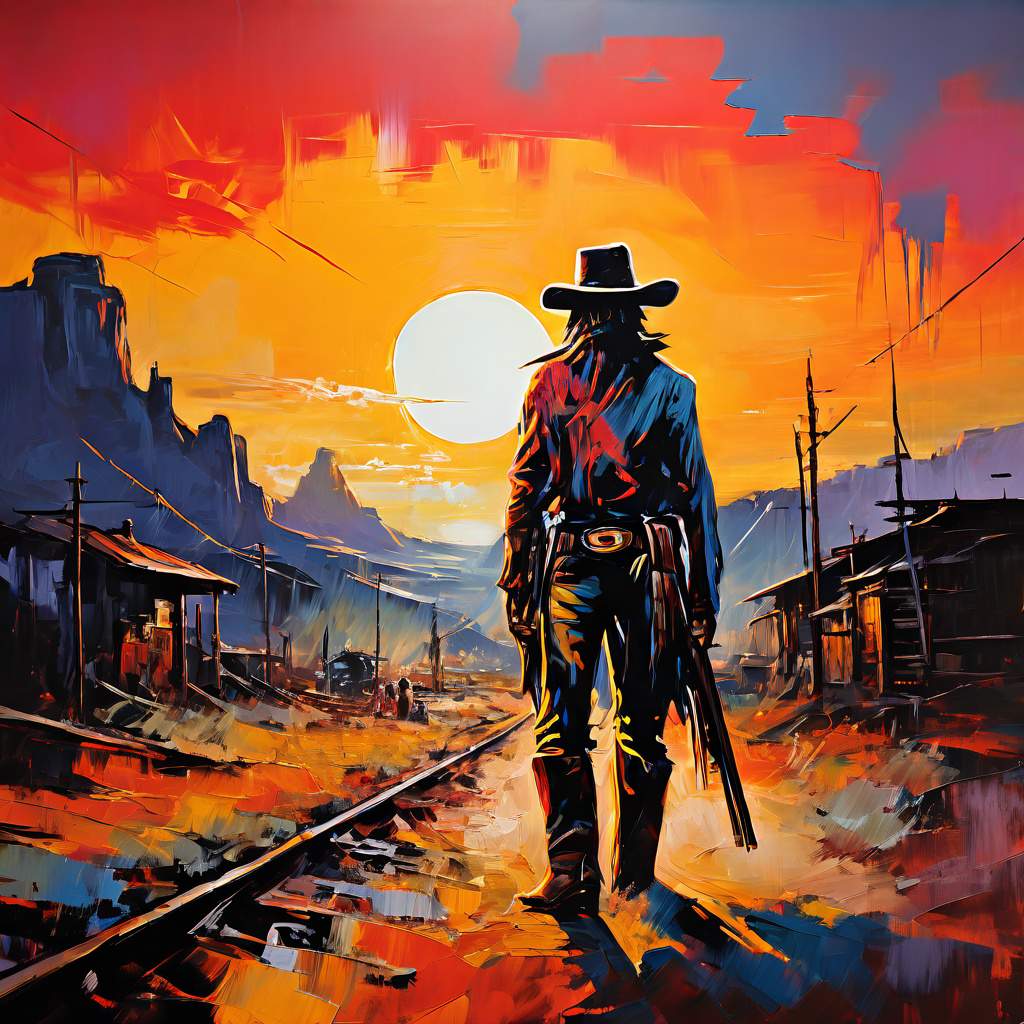
Red Sun: The 1971 Bronson-Mifune Western That Deserves Rediscovery
In the crowded cinematic landscape of 1971, while audiences lined up for The French Connection and critics dissected A Clockwork Orange, a curious international co-production arrived in theaters with considerably less fanfare. Red Sun, directed by Terence Young, brought together two of the era’s most formidable screen presences—American tough guy Charles Bronson and Japanese cinema icon Toshiro Mifune—for a Spaghetti Western that bridged continents and genres. Despite opening in the shadow of Robert Altman’s McCabe & Mrs. Miller and other era-defining works, the film carved out a notable success in Japan while remaining relatively obscure in Western markets, leaving modern viewers to discover a unique cultural collision that deserves far more attention than initial reception suggested.
The Cultural Crossover Cinema Forgot
The pairing of Bronson and Mifune represented more than mere stunt casting; it acknowledged the deep creative debt that Westerns owed to samurai cinema. Akira Kurosawa and Toshiro Mifune had previously collaborated on sixteen films, including Rashomon, Throne of Blood, and Seven Samurai, works that fundamentally reshaped global action storytelling. John Sturges had already translated Seven Samurai into the American Western template with The Magnificent Seven—a film that notably featured Bronson among its ensemble—yet Red Sun presented something rarer: the genuine article standing alongside the American interpretation.
This 1971 release arrived at a curious moment when the Western genre was undergoing brutal revisionism. While McCabe & Mrs. Miller subverted conventions through Altman’s melancholic lens, and Dirty Harry offered urban law-and-order catharsis, Red Sun pursued a different path entirely. It embraced the absurdity of its premise—a samurai wandering the American frontier—while maintaining genuine respect for the honor codes of both cultures. The result was a film that felt simultaneously like a throwback to adventure serials and a forward-looking experiment in international co-production.
An International Cast of Icons
Beyond its headlining duo, Red Sun assembled a remarkably cosmopolitan ensemble that reflected the film’s global ambitions. Each principal brought established star power from distinct regional cinemas, creating a melting pot of screen personas that remains unmatched in the genre.
- Charles Bronson as Link, the bandit leader whose grit defined the American Western anti-hero
- Toshiro Mifune as Kuroda Jubei, the samurai retainer embodying rigid Bushido codes
- Alain Delon as Gauche, the antagonist fresh from his acclaimed performance in Le Samouraï
- Ursula Andress as Cristina, the Bond girl from Dr. No caught between opposing forces
This constellation of talent represented a deliberate strategy to maximize box office appeal across multiple territories. Delon commanded significant European draw, while Andress provided recognizable glamour. Yet the film’s commercial fortunes ultimately hinged on the chemistry between its Eastern and Western leads—a dynamic that transcended language barriers through physical presence and shared screen intensity.
Behind the Camera: Crafting a Hybrid Adventure
Director Terence Young, best known for establishing the James Bond template with Dr. No and From Russia with Love, brought his signature kinetic style to the frontier setting. The screenplay emerged from multiple hands: Denne Bart Petitclerc, who had explored American mythology in The Legend of Jesse James, contributed to story development, while Laird Koenig—who had previously collaborated with Young on Bloodline—penned the final script. This writing pedigree ensured the narrative maintained sufficient propulsive energy while navigating the tonal tightrope between cultural authenticity and entertainment.
Young’s direction particularly shines during the film’s action set pieces, which eschew the methodical pacing of traditional samurai films for the frenetic energy of Spaghetti Westerns. The opening train robbery sequence establishes this rhythm immediately—a kinetic display of movement and betrayal that sets the stage for the shifting alliances to come. Young understood that the film’s commercial viability depended on delivering spectacle that satisfied fans of both Bronson’s violent American persona and Mifune’s balletic swordwork.
The Narrative: Honor Among Thieves
The story mechanics of Red Sun provide a straightforward engine for its cross-cultural exploration. Link (Bronson) and his right-hand man Gauche (Delon) target a train carrying $400,000 in gold, but the robbery yields an unexpected prize: a ceremonial Japanese sword intended as a diplomatic gift for the American President. When Gauche double-crosses Link—killing bodyguards and leaving his partner for dead—he sets in motion an uneasy alliance between the wounded bandit and Kuroda Jubei (Mifune), the samurai sworn to recover the blade and avenge his fallen comrades.
This premise creates natural friction between American pragmatism and Japanese duty. Link views the pursuit as personal vengeance and potential profit, while Kuroda operates under rigid codes of honor that demand the sword’s recovery regardless of cost. The screenplay mines this cultural disconnect for both tension and humor, particularly in moments where Kuroda’s extreme dedication to Bushido results in absurdist displays—such as the now-famous scene where he dispatches a mosquito with surgical precision using his katana.
Ursula Andress’s Cristina functions as the narrative’s wild card, a character caught between Link’s rugged individualism and Gauche’s ruthless criminality. Her presence prevents the film from becoming a purely masculine duel of honor, adding romantic and survival stakes that complicate the central pursuit. As the trio navigates the frontier landscape, the screenplay allows space for genuine emotional evolution, with the relationship between Link and Kuroda gradually transforming from grudging tolerance into mutual respect.
Box Office Trajectory: East vs. West
Red Sun’s commercial performance revealed stark regional disparities that help explain its complicated legacy. In Japan, the film became a significant box office success, capitalizing on Mifune’s unmatched star power and Bronson’s growing reputation as a reliable action hero. Japanese audiences embraced the spectacle of their national icon operating within Western genre conventions, creating sufficient returns to justify the production’s international ambitions.
However, North American and European markets proved less receptive. The film opened in the same month as McCabe & Mrs. Miller, Robert Altman’s brilliant deconstruction of Western mythology that immediately dominated critical conversation. With The French Connection and A Clockwork Orange also dominating art-house and mainstream screens throughout 1971, Red Sun struggled to secure screens or critical attention. Contemporary reviews tended toward dismissal, viewing the film as a disposable genre exercise rather than the culturally significant meeting of cinematic traditions it represented.
Why Red Sun Demands Reappraisal
Decades removed from its initial release, Red Sun reveals itself as a far more sophisticated entertainment than contemporary critics recognized. The film’s lightness of touch—its willingness to embrace humor alongside violence—prevents it from collapsing under the weight of its own cultural ambitions. Rather than attempting grim realism, it acknowledges the inherent absurdity of a samurai wandering the American West, using that premise to explore genuine differences in philosophical outlook without heavy-handed lecturing.
The action sequences hold up remarkably well, combining the geometric precision of Japanese sword choreography with the chaotic energy of Western shootouts. Mifune’s presence elevates every frame he occupies, bringing gravitas to moments that might otherwise play as pure pulp. Meanwhile, Bronson’s minimalist performance style creates perfect counterbalance—his economy of movement and expression matching Mifune’s stoic intensity beat for beat.
For contemporary viewers interested in the evolution of global cinema, Red Sun offers a fascinating case study in mid-century co-production strategies. It stands as one of the few films to genuinely integrate samurai cinema’s aesthetic and thematic concerns into the Western framework while respecting both traditions. In an era where cross-cultural blockbusters are commonplace, this 1971 experiment feels increasingly prescient—a reminder that cinema’s universal language can bridge any divide when supported by genuine star power and respectful craftsmanship.
What’s After the Movie
If you’re discovering Red Sun for the first time or revisiting classic cinema from the 1970s, What’s After the Movie offers comprehensive coverage of film history, box office data, and hidden gems waiting to be rediscovered. Explore our curated collections of international co-productions, Western genre deep dives, and actor filmographies to find your next classic watch. Visit https://www.whatsafterthemovie.com to browse our full database of movies, read spoiler-free summaries, or check out our industry news section for more retrospective features on overlooked cinema history.
Continue reading




What's After the Movie?
Not sure whether to stay after the credits? Find out!
Check out our other apps:

SAT Sphere
Build confidence for the Digital SAT.

Mori Atlas
Discover wild places worth protecting.

Luntero
Search smarter for a home in Amsterdam.

Plot Explained
Unravel movie endings and hidden clues.

Pokechamp
Dive into Pokémon data and battle logic.

Driving Theory
Get ready for your European theory test.

Movie Dust
Plan your next cinema trip with ease.

Musemap
Find art and culture as you travel.

Selkobase
Compare credentials before committing.

Local Manual
Turn an unfamiliar country into practical next steps.

Lernavi
Compare school systems before your next move.

GymRoam
Find a workout stop wherever your plans take you.
Explore Our Movie Platform
New Movie Releases (2026)
Famous Movie Actors
Top Film Production Studios
Movie Plot Summaries & Endings
Major Movie Awards & Winners
Best Concert Films & Music Documentaries
Movie Collections and Curated Lists
© 2026 What's After the Movie. All rights reserved.
Privacy Policy