What's After the Blog?
Streaming • feature
Nightflyers: George R.R. Martin's Canceled Series Deserves Another Look
The Syfy horror series "Nightflyers," based on George R.R. Martin's 1980 novella, was canceled after one season despite high production values and an ongoing series plan. Now available to rent and purchase on Prime Video, the 2093-set space thriller about a haunted scientific mission is earning renewed attention from genre fans willing to look past its 38% Rotten Tomatoes score.
February 4, 2026
Nightflyers: George R.R. Martin’s Canceled Series Deserves Another Look
While George R.R. Martin remains synonymous with the medieval fantasy of Westeros and the global phenomenon that is Game of Thrones, the acclaimed author has also ventured into the darkest reaches of science fiction horror. His 1980 novella Nightflyers recently returned to the cultural conversation following its adaptation as a short-lived Syfy series that was abruptly canceled after a single season despite ambitions for a multi-year run. Now available to rent and purchase on Prime Video, the space-bound thriller is generating renewed interest among genre enthusiasts who are discovering—or revisiting—this atmospheric tale of cosmic dread and technological terror.
From Page to Screen: The Origins of Nightflyers
Long before HBO’s dragons dominated Sunday night television, Martin was exploring the intersection of science fiction and supernatural horror in prose form. He penned the Nightflyers novella in 1980, crafting a claustrophobic narrative about a crew of scientists trapped aboard a haunted vessel in the vacuum of space. This literary contribution to the sci-fi horror canon predates many visual touchstones of the subgenre, notably arriving 17 years before Paul W.S. Anderson’s Event Horizon hit theaters in 1997.
The source material underwent multiple adaptation attempts before reaching the small screen. An obscure feature film based on the novella exists but remains difficult to access for modern audiences. However, the property found new life when Syfy commissioned a television series adaptation, positioning it as a potential flagship genre entry for the network. Developed with the intention of spanning multiple seasons, the show represented a significant investment in Martin’s lesser-known intellectual property, attempting to translate the psychological tension of the 1980 text into a serialized format suitable for contemporary prestige television.
The adaptation process necessarily involved expanding Martin’s novella into ten episodes of television, requiring the writers room to extrapolate character backstories and interpersonal conflicts that the original prose treated more economically. While the series diverges from specific plot points of the source material, Martin’s core concepts regarding humanity’s relationship with technology and the unknown remain embedded throughout the narrative framework.
Mission to Save Humanity: The 2093 Setting
Set in the year 2093, the television adaptation presents a future where ecological catastrophe has rendered Earth uninhabitable, forcing humanity to seek sanctuary among the stars. The narrative follows a specialized team of scientists who board the advanced starship Nightflyer on a desperate mission to make contact with extraterrestrial lifeforms. Their objective extends beyond mere discovery; they hope to secure the knowledge necessary to transport the remnants of human civilization to more hospitable planets before time runs out for the species.
The central conflict emerges not from alien encounters in deep space, but from the vessel itself. The scientists quickly discover that their own ship harbors a malevolent presence—an evil force that manifests through the ship’s systems and preys upon the crew’s psychological vulnerabilities. This internal threat creates a pressure-cooker environment where technological isolation meets supernatural menace, forcing the protagonists to confront both the physical dangers of space exploration and the inexplicable horrors awakening within their supposedly secure environment.
While comparisons to Event Horizon are inevitable given the shared premise of a haunted spacecraft, Martin’s original vision maintains distinct thematic concerns. Both properties occupy similar spooky wheelhouses, utilizing the emptiness of space to amplify sensory deprivation and paranoia, yet Nightflyers roots its horror in specific anxieties about environmental collapse and scientific hubris rather than purely dimensional or hellish imagery. The 1980 publication date of Martin’s novella establishes that these ideas percolated through science fiction literature well before the visual language of ’90s space horror crystallized in film.
The Critics’ Verdict and Syfy’s Cancellation
Despite the pedigree of its source material and the network’s initial confidence, Nightflyers struggled to find its footing with reviewers during its 2018 run. Critics predominantly dismissed the series as derivative of existing sci-fi horror conventions, resulting in a challenging 38% approval rating on Rotten Tomatoes. The commentary focused heavily on perceived narrative similarities to established franchise properties, suggesting that the show failed to distinguish itself sufficiently within a crowded marketplace of space-based genre entertainment.
The negative critical consensus translated into commercial difficulties that ultimately doomed the project. Syfy elected to cancel Nightflyers after its freshman season, pulling the plug despite reports that writers and producers had conceived the narrative as an ongoing saga with multi-season storytelling potential. This decision relegated the expensive production to the status of a standalone single season, leaving numerous plot threads unresolved and preventing the series from potentially finding its audience through gradual word-of-mouth growth.
However, the history of horror entertainment suggests that critical consensus and immediate commercial performance do not always determine long-term value. Genre audiences frequently embrace properties that reviewers initially reject, particularly within science fiction and horror where atmospheric execution and conceptual ambition can outweigh conventional narrative expectations. The show’s cancellation after a single season has, paradoxically, allowed it to exist as a complete, self-contained curiosity rather than a prolonged disappointment.
Why Nightflyers Deserves Reconsideration
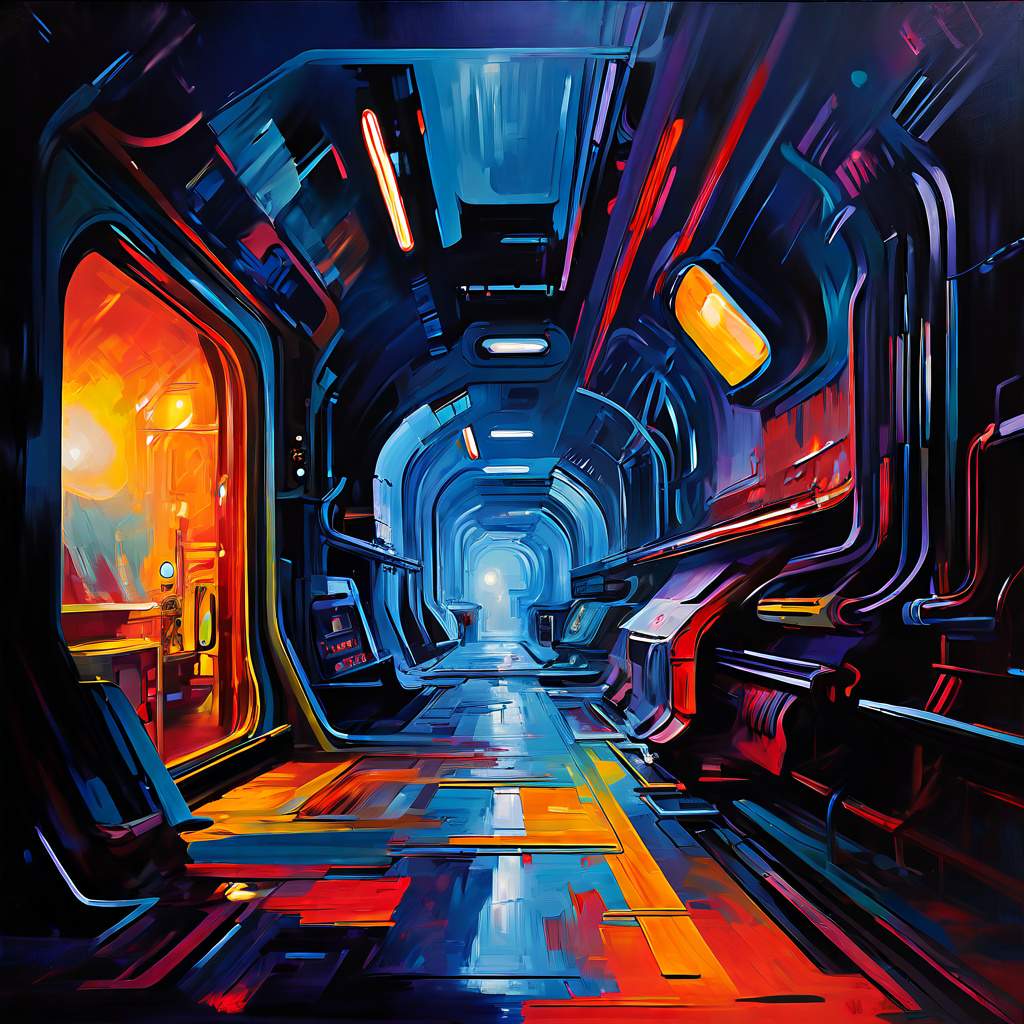
Beneath the surface of its mixed reception lies a production of genuine merit that rewards patient viewing. The series boasts top-tier production values that effectively realize the sterile, threatening environment of the Nightflyer vessel, creating a visual language of fluorescent dread and mechanical menace. Technical achievements in set design and special effects establish a convincing near-future aesthetic that supports the escalating tension without distracting from character-driven conflicts.
For viewers familiar with Martin’s broader bibliography, the adaptation offers a rare opportunity to see the author operating purely within horror parameters. While Game of Thrones incorporates frightening sequences and supernatural threats, Nightflyers represents Martin’s full commitment to scarecraft, leveraging the isolation of space to generate sustained unease. The adaptation preserves Martin’s horror bona fides even as it translates his prose into televisual grammar, maintaining the unsettling quality that distinguished the original novella.
The show’s reputation also benefits from historical precedent regarding initially maligned horror properties. John Carpenter’s The Thing—now widely regarded as a masterpiece of science fiction horror—performed disastrously at the 1982 box office and received scathing reviews from contemporary critics. Decades later, that film stands as arguably the definitive entry in the subgenre. While Nightflyers does not claim the same perfection as Carpenter’s classic, it shares that film’s commitment to practical atmosphere and slow-burn dread.
Horror fans who appreciate unsettling imagery and cosmic pessimism will likely find the series more welcoming than its Rotten Tomatoes percentage suggests. The narrative delivers genuine frights through its haunted-house-in-space structure, and the ten-episode format allows for methodical character development that enhances the impact of the supernatural elements. For audiences willing to engage with science fiction horror that prioritizes mood over action, the series offers substantial rewards.
Streaming Nightflyers Today
For those interested in assessing the series independently, the complete first season currently resides on Amazon’s Prime Video platform, available for both rental and digital purchase. This accessibility removes the barrier of traditional cable subscription that may have limited the show’s initial viewership, allowing modern audiences to binge the entire arc without weekly appointment viewing or commercial interruption.
The ten-episode season functions as a self-contained experience despite its canceled status, offering enough resolution to satisfy casual viewers while hinting at the broader mythology that would have expanded in subsequent years. Fans of Martin’s literary output, particularly those who appreciated the darker elements of Game of Thrones or his earlier horror fiction, should find enough thematic connections to justify the investment.
Key Details at a Glance:
- Source Material: George R.R. Martin’s 1980 novella
- Original Network: Syfy (canceled after Season 1)
- Rotten Tomatoes Score: 38%
- Setting: Year 2093 aboard the starship Nightflyer
- Current Availability: Prime Video (rent or purchase)
- Genre: Science fiction horror with supernatural elements
- Comparison Points: Event Horizon (1997), The Thing (1982)
Discover More with What’s After the Movie
If you’re tracking the latest streaming arrivals, revisiting canceled cult series, or researching the complete filmography of authors like George R.R. Martin, What’s After the Movie offers comprehensive coverage of the entertainment landscape. Our platform provides detailed movie information, box office analysis, spoiler-free summaries, and ending explanations to help you navigate everything from blockbuster franchises to hidden genre gems. Explore our streaming guides or browse our complete database to find your next watch.
Continue reading



What's After the Movie?
Not sure whether to stay after the credits? Find out!
Check out our other apps:

SAT Sphere
Build confidence for the Digital SAT.

Mori Atlas
Discover wild places worth protecting.

Luntero
Search smarter for a home in Amsterdam.

Plot Explained
Unravel movie endings and hidden clues.

Pokechamp
Dive into Pokémon data and battle logic.

Driving Theory
Get ready for your European theory test.

Movie Dust
Plan your next cinema trip with ease.

Musemap
Find art and culture as you travel.

Selkobase
Compare credentials before committing.

Local Manual
Turn an unfamiliar country into practical next steps.

Lernavi
Compare school systems before your next move.

GymRoam
Find a workout stop wherever your plans take you.
Explore Our Movie Platform
New Movie Releases (2026)
Famous Movie Actors
Top Film Production Studios
Movie Plot Summaries & Endings
Major Movie Awards & Winners
Best Concert Films & Music Documentaries
Movie Collections and Curated Lists
© 2026 What's After the Movie. All rights reserved.
Privacy Policy