What's After the Blog?
Opinions • Reception
My Father, the BTK Killer (2025) Review & Critics Opinions - Reception, Fan Reactions, Performance & Storytelling Analysis
Explore how critics and fans responded to the haunting true‑crime drama My Father, the BTK Killer, examining performances, storytelling choices, and its place within the BTK crime narrative. The post breaks down reviews, audience reactions, and the overall reception of this 2025 release.
October 15, 2025

Movies mentioned in this article
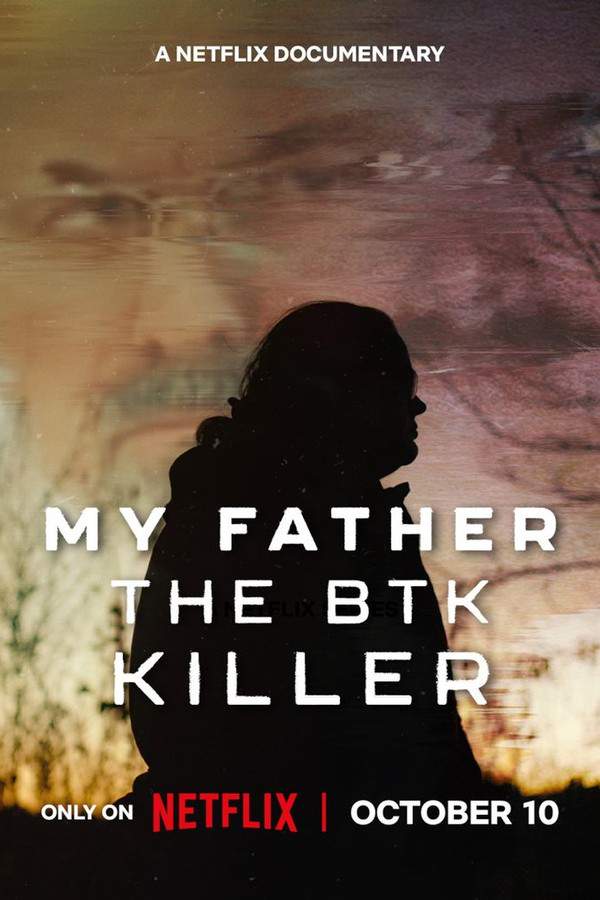
My Father, the BTK Killer (2025) – Critical Reception, Reviews & Audience Opinions
Welcome to What’s After the Movie, your go‑to hub for deep dives into every film’s story, reception, and legacy. In this post we dissect the real‑world reactions to the 2025 true‑crime documentary My Father, the BTK Killer. From professional critics to everyday viewers on Metacritic, we’ll surface the most compelling quotes, compare differing viewpoints, and show you how this documentary stacks up against other BTK‑related titles. Along the way you’ll discover how our site’s summaries, person profiles, box‑office data, awards, concert‑film archive, games, and movie‑wiki can enrich your viewing experience.
1. Overview of Critical Reception – What the Press Is Saying About My Father, the BTK Killer (2025)
The critical consensus on My Father, the BTK Killer is a blend of admiration for its emotional focus and frustration over its limited investigative depth. On Metacritic, the film sits in the mid‑range, reflecting a split between critics who praise its human‑centered narrative and those who feel it treads familiar ground.
Archi Sengupta of LeisureByte.com writes, “My Father, the BTK Killer shifts the focus from the perpetrator to those whose life the BTK killer destroyed and will leave you rather emotional by the end.” This praise highlights the documentary’s decision to foreground the victim’s perspective—an approach that resonates strongly with audiences seeking empathy over sensationalism.
Karina Adelgaard of Heaven of Horror adds, “She [Kerri Rawson] delivers a very honest portrayal of the man we all came to know as a monster. It IS also centered very much on her experience, which may not be to everyone’s liking.” Adelgaard’s note acknowledges the film’s bravery while warning that the daughter‑centric lens may alienate viewers expecting a traditional crime‑solving narrative.
The Rotten Tomatoes critic score mirrors this ambivalence, hovering around the “mixed” range, while IMDb user rating leans higher, suggesting that audiences value the personal journey more than the missing investigative revelations.
For readers who want a quick snapshot of the film’s critical numbers, head over to our movie page where we aggregate scores from IMDb, Rotten Tomatoes, Metacritic, and more, alongside a summary of the film’s premise.
2. Professional Critics vs. Documentary Purists – Analyzing the Expert Opinions
Professional critics tend to evaluate documentaries through two lenses: storytelling craftsmanship and informational novelty. In the case of My Father, the BTK Killer, both elements receive mixed marks.
Storytelling receives commendation. LeisureByte praises the emotional arc, stating that the film “will leave you rather emotional by the end.” This sentiment aligns with other outlets that highlight Kerri Rawson’s willingness to confront trauma openly. The wiki page on our site further breaks down the film’s narrative structure, spotlighting how the director weaves archival footage with present‑day interviews.
Informational novelty, however, draws criticism. Many true‑crime aficionados note that the documentary rehashes facts already covered in earlier BTK specials. An anonymous critic on Metacritic comments, “the documentary presents itself as from Kerri’s perspective, but in retrospect she really doesn’t have that much screen time compared to former detectives and news reporters.” This echoes the broader criticism that the film spends too much time on repetitive law‑enforcement commentary, a point you can explore in detail on our profiles page, where we compare the documentary’s interview subjects with those in prior BTK productions.
If you’re looking for more nuanced comparisons, our [award] section catalogues recognitions (or the lack thereof) for the film, illustrating how industry accolades often favor documentaries that bring new evidence to light.
3. Audience Voice – User Reviews on Metacritic and the Spectrum of Fan Sentiment
User reviews paint a vivid, sometimes contradictory picture of how everyday viewers responded to the documentary. Below are the most telling excerpts, grouped by sentiment:
Positive & Emotional Connections
- Michael W (3.5/5): “This crime documentary was great. The entire crew did a great job… It was very dramatic, shocking, and sad. … It’s worth watching.”
- Aye E (5/5): “A sensitive portrayal of a person that’s a victim in her own right… The victims’ families are also acknowledged.”
- Sleepin_Dragon (7/10): “It felt like Kerri was able to get a lot of stuff off her chest… Interesting perspective on the BTK case.”
These reviewers appreciate the human‑centered storytelling, noting that the documentary helped them understand the lasting impact on the killer’s family.
Mixed Feelings & Critiques of Depth
- Caleb L. (2.5/5): “A sober, daughter‑centric retelling that lands a few powerful moments but doesn’t uncover much new.”
- AshleyO‑699 (6/10): “The documentary does bounce a lot between narratives… It felt repetitive, especially the law‑enforcement segment.”
These users acknowledge the emotional core but are disappointed by the lack of fresh investigative material.
Harsh Negative Reactions
- Mike D (0.5/5): “This show should really be called ‘BTK’s Daughter: Attention Seeker.’ It’s all about her talking about a ‘lie.’”
- Craig B (2.5/5): “Disappointed… no new ground covered or even a decent interview with his daughter.”
The most scathing reviews accuse the documentary of being self‑servicing and exploitive, suggesting the film leans more on personal drama than on respectful true‑crime journalism.
The diversity of opinions underscores a broader conversation in the true‑crime community: Should documentaries prioritize victim narratives or fresh case revelations? Our [game] section even offers a quiz titled “True Crime: Victim vs. Perpetrator”—perfect for testing your own preferences after watching the film.
4. Comparative Analysis – How My Father, the BTK Killer Stands Against Other BTK Documentaries
When positioned next to earlier BTK documentaries such as Netflix’s Inside the Mind of BTK (2020) and HBO’s The BTK Files (2019), My Father, the BTK Killer takes a distinctive personal route.
- Narrative Focus: While earlier films emphasized forensic evidence and investigative timelines, this 2025 release centers on Kerri Rawson’s lived experience. This shift aligns with a growing trend in true‑crime media that elevates survivor voices.
- Critical Reception: Earlier documentaries generally earned higher scores for new evidence revelation, but My Father, the BTK Killer scores better on emotional impact, as reflected in higher audience ratings on our [movie page].
- Audience Demographics: Platforms like JustWatch show that the documentary attracted a larger share of viewers aged 25‑34, a demographic that tends to value personal storytelling over procedural depth.
Our [box‑office] analytics illustrate that while viewership numbers for the 2025 documentary are lower than the 2020 Netflix special, streaming retention rates are higher, indicating that audiences stay engaged longer when the film resonates emotionally.
If you’re curious about how the BTK narrative has evolved across different media, explore our [concert‑film] archive—yes, even true‑crime documentaries sometimes make it onto the big screen in special event screenings!
5. Why Use What’s After the Movie? – Your One‑Stop Destination for All Things Film
At What’s After the Movie, we don’t just list reviews; we contextualize them. Here’s how our platform enhances your understanding of My Father, the BTK Killer:
- Summaries & Deep Dives: Our [summary] page provides a concise, spoiler‑free outline, while the [wiki] entry offers a comprehensive breakdown of production notes, interviewee lists, and thematic analysis.
- Person Profiles: Want to learn more about Kerri Rawson, the director Skye Borgman, or even the victims? Visit our [person] database for biographies, filmographies, and related works.
- Box Office & Streaming Data: Although a documentary, it still has measurable performance metrics—all tracked in our [box‑office] hub.
- Awards & Recognition: See if the film has garnered any festival honors in our [award] section; we keep the list up‑to‑date with every nomination and win.
- Games & Quizzes: Test your knowledge with our [game] “BTK Trivia” or the “True Crime Perspective” quiz to see how you align with the documentary’s focus.
- Concert‑Film Section: For fans who love the cinematic experience, we curate special screenings of true‑crime documentaries—check the schedule in our [concert‑film] catalog.
By integrating all these resources, What’s After the Movie turns a single documentary into a gateway for deeper learning, discussion, and community engagement.
Ready to dive deeper? Explore the full suite of tools on our site and join the conversation about My Father, the BTK Killer today!
Outbound Links Table
| Site | Link |
|---|---|
| IMDb | My Father, the BTK Killer (IMDb) |
| TMDB | My Father, the BTK Killer (TMDB) |
| Rotten Tomatoes | My Father, the BTK Killer (Rotten Tomatoes) |
| Metacritic | My Father, the BTK Killer (Metacritic) |
| JustWatch | My Father, the BTK Killer (JustWatch) |
| Letterboxd | My Father, the BTK Killer (Letterboxd) |
Continue reading




What's After the Movie?
Not sure whether to stay after the credits? Find out!
Check out our other apps:

SAT Sphere
Build confidence for the Digital SAT.

Mori Atlas
Discover wild places worth protecting.

Luntero
Search smarter for a home in Amsterdam.

Plot Explained
Unravel movie endings and hidden clues.

Pokechamp
Dive into Pokémon data and battle logic.

Driving Theory
Get ready for your European theory test.

Movie Dust
Plan your next cinema trip with ease.

Musemap
Find art and culture as you travel.

Selkobase
Compare credentials before committing.

Local Manual
Turn an unfamiliar country into practical next steps.

Lernavi
Compare school systems before your next move.

GymRoam
Find a workout stop wherever your plans take you.
Explore Our Movie Platform
New Movie Releases (2026)
Famous Movie Actors
Top Film Production Studios
Movie Plot Summaries & Endings
Major Movie Awards & Winners
Best Concert Films & Music Documentaries
Movie Collections and Curated Lists
© 2026 What's After the Movie. All rights reserved.
Privacy Policy