What's After the Blog?
news • Streaming • analysis
For All Mankind Season 5 Introduces Space Elevator on Mars
For All Mankind season 5 introduces a space elevator on Mars in its second episode, drawing comparisons to Apple TV+'s Foundation where similar technology met a disastrous end. The storyline involves corporate malpractice investigations and escalating tensions between Earth and Mars at the Happy Valley base.
April 4, 2026
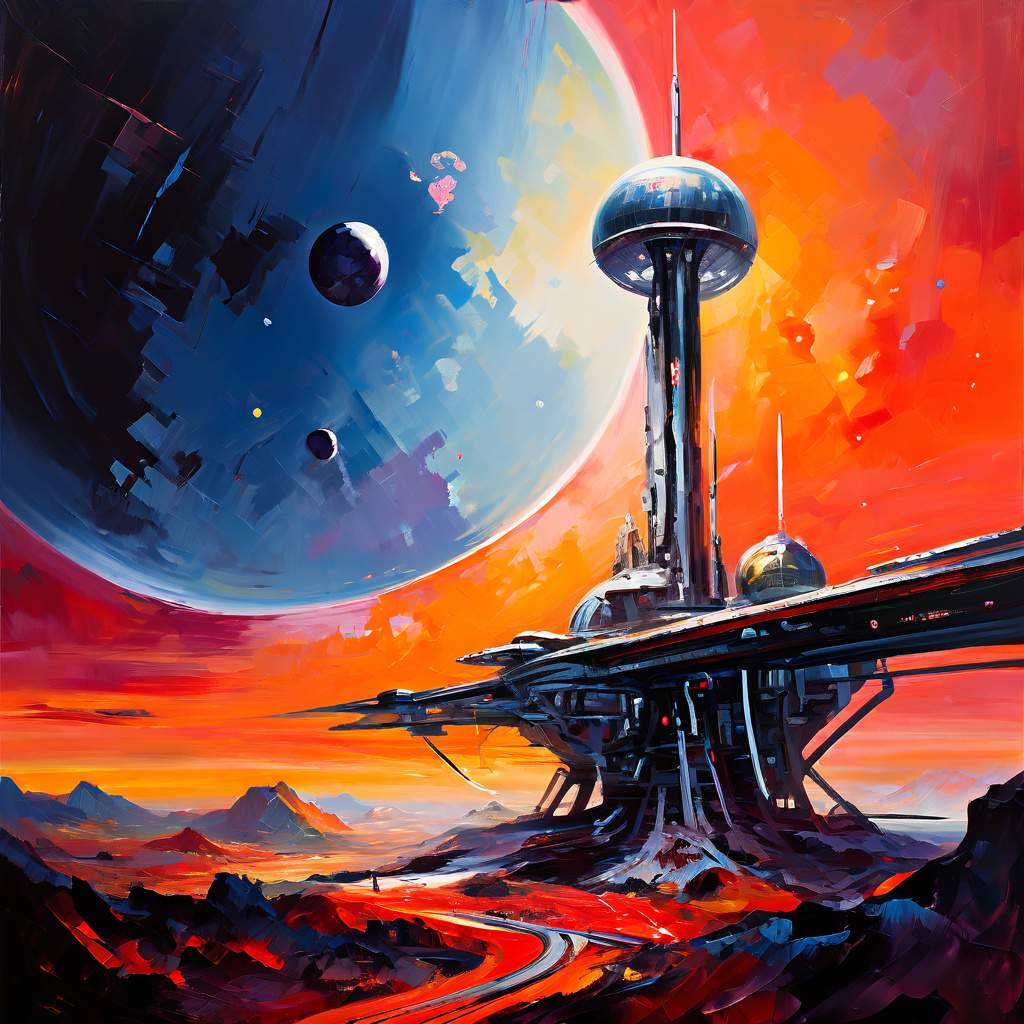
For All Mankind Season 5 Introduces Space Elevator on Mars
Apple TV+‘s alternate history epic For All Mankind has unveiled its most ambitious science fiction concept to date with the introduction of a space elevator under construction on Mars. The series, which charts a timeline where the Cold War space race never de-escalated and humanity established permanent settlements across the solar system, brought this theoretical transportation system into the narrative spotlight during season 5, episode 2, titled “The Hard Six.” This development represents a significant escalation in the show’s technological scope while simultaneously establishing narrative machinery for potential catastrophe through intertwined threads of corporate corruption, murder investigations, and escalating interplanetary political tensions.
The introduction arrives as the series continues to differentiate its alternate reality from our own, depicting a solar system where technological advancement accelerated dramatically following the permanent establishment of the Happy Valley base. Unlike conventional space travel requiring massive rocket launches and limited payload capacities, the space elevator concept offers a theoretically efficient method of transporting materials, personnel, and cargo from a planetary surface directly into orbit using a tethered cable system anchored to a counterweight beyond geostationary orbit.
The Space Elevator Concept Enters the Series
A space elevator functions as permanent transportation infrastructure connecting a planetary surface to an orbital station, theoretically eliminating the need for conventional spacecraft for routine cargo transport once constructed. The concept has circulated within science fiction literature and scientific speculation since the late 20th century, gaining particular prominence through Arthur C. Clarke’s 1979 novel The Fountains of Paradise and his Space Odyssey series. Clarke’s work helped popularize the engineering concept among general audiences, though physicists and materials scientists continue debating the practical feasibility of constructing such massive structures with current technology.
The technology has appeared across numerous science fiction franchises, establishing it as a recognizable trope signifying advanced spacefaring civilization:
- The Three-Body Problem series by Cixin Liu
- Mobile Suit Gundam franchise
- The Halo video game and television adaptations
- Star Trek: Voyager
- Apple TV+‘s Foundation
In “The Hard Six,” the narrative focuses on early construction phases of a space elevator intended to serve the Happy Valley settlement on Mars. However, the episode immediately complicates this infrastructure project through the introduction of criminal investigations and safety concerns. Mireille Enos portrays Celia Boyd, a member of Mars’ Peacekeeper Security Force, who uncovers evidence of significant corporate malpractice surrounding the elevator’s construction operations. The investigation intensifies following the discovery of a dead body in the Martian desert near the construction site, raising immediate questions about safety protocols, corporate oversight, potential sabotage, and whether the project has proceeded without adequate regulatory scrutiny.
Echoes of Foundation’s Catastrophic Star Bridge
The space elevator introduction carries particular narrative weight given its prominent role in another Apple TV+ science fiction flagship, Foundation. In that series, the space elevator—known colloquially as the Star Bridge—served as the primary transportation link between the planet Trantor and its orbital docking platforms until its spectacular destruction in a terrorist attack during the premiere episode. The catastrophe resulted in millions of casualties and triggered a massive interstellar war, fundamentally altering the political landscape of the galaxy and establishing the vulnerability of such infrastructure as a central thematic element.
Foundation season 3 later revealed significant narrative twists regarding the Star Bridge explosion that complicated initial assumptions about the attack’s nature, perpetrators, and underlying motivations. These revelations changed fundamental understandings of the event’s place in the series’ larger plot mechanics. This narrative history creates heavy dramatic irony for For All Mankind viewers, as science fiction storytelling frequently treats space elevators as symbols of technological hubris destined for spectacular destruction.
Given For All Mankind’s established narrative pattern of depicting space-related disasters—including previous seasons’ portrayals of shootouts on Earth’s moon and exploding orbital hotels—the introduction of such a massive structural target essentially invites catastrophic possibilities. The visual similarity between the two productions’ technological approaches suggests viewers should anticipate potential violence or structural failure surrounding the Mars elevator project as season 5 progresses.
Investigation and Interplanetary Tensions
Beyond the corporate corruption investigation, season 5 establishes a brewing geopolitical conflict between Mars and Earth that threatens the stability of the Happy Valley settlement and its infrastructure projects. The tension carries tonal similarities to military science fiction anime, potentially indicating large-scale confrontations that would represent a significant escalation from the show’s previous grounded approach to space-based conflict.
The Peacekeeper Security Force’s involvement in investigating the space elevator construction suggests the project carries strategic significance beyond mere civilian infrastructure development. As a transportation hub capable of moving massive quantities of materials without rocket fuel limitations or atmospheric constraints, control of an operational elevator would provide significant economic and military advantages to whichever faction commands it. This strategic value makes the structure a potential flashpoint for conflict between Earth governance and Martian independence movements.
Celia Boyd’s investigation into the dead body and corporate malpractice threatens to expose systemic failures that could destabilize the entire settlement just as the space elevator nears completion. The combination of murder, corporate negligence, and interplanetary political pressure creates a volatile situation where the elevator serves as both a literal transportation link and a metaphorical tension point between competing visions of Mars’ future. The episode suggests that the construction site has become a nexus for criminal activity, corporate espionage, and potentially terrorist plotting that could mirror the catastrophic events depicted in Foundation.
Alternate History Technological Advancement
The space elevator represents merely the latest advancement in For All Mankind’s alternate history, where technological development proceeded along different paths than our own timeline following the continued space race. The series established early in its run that several pivotal events diverged from actual history, most notably the prevention of the Three Mile Island nuclear accident. This divergence allowed nuclear power to flourish without the regulatory restrictions and public fear that characterized its development in our reality, fundamentally altering the energy landscape available to support space exploration.
Consequently, fusion power became a practical reality within the show’s universe decades earlier than current scientific projections suggest for our timeline. The accelerated energy development supported the space program’s expansion while simultaneously enabling earlier adoption of related terrestrial technologies. Electric vehicles and advanced robotics became commonplace within the series’ fictional universe substantially earlier than their widespread implementation in actual history, creating a visual aesthetic that blends 1980s and 1990s design elements with futuristic technology.
The show’s creators have described the setting as closer to the Star Trek universe than our current reality, though notably lacking extraterrestrial life—at least for the present. This positioning allows the series to explore science fiction concepts while maintaining rigorous attention to scientific plausibility and engineering constraints. The space elevator fits squarely within this mandate, representing a theoretically possible but currently unachieved technological milestone that signals humanity’s advancement toward becoming a truly multi-planetary species in this alternate timeline.
What’s After the Movie
For fans tracking the latest developments in streaming science fiction and alternate history narratives, What’s After the Movie provides comprehensive coverage of series like For All Mankind, including episode breakdowns, technology explainers, and industry analysis. The platform offers detailed summaries, ending explanations, and spoiler-free guides to help viewers navigate complex serialized storytelling across multiple seasons.
Explore more science fiction coverage and streaming updates at whatsafterthemovie.com or browse specific series breakdowns in the movies section. For ongoing analysis of Apple TV+ programming and space-oriented dramas, visit the blog.
Continue reading


What's After the Movie?
Not sure whether to stay after the credits? Find out!
Check out our other apps:

SAT Sphere
Build confidence for the Digital SAT.

Mori Atlas
Discover wild places worth protecting.

Luntero
Search smarter for a home in Amsterdam.

Plot Explained
Unravel movie endings and hidden clues.

Pokechamp
Dive into Pokémon data and battle logic.

Driving Theory
Get ready for your European theory test.

Movie Dust
Plan your next cinema trip with ease.

Musemap
Find art and culture as you travel.

Selkobase
Compare credentials before committing.

Local Manual
Turn an unfamiliar country into practical next steps.

Lernavi
Compare school systems before your next move.

GymRoam
Find a workout stop wherever your plans take you.
Explore Our Movie Platform
New Movie Releases (2026)
Famous Movie Actors
Top Film Production Studios
Movie Plot Summaries & Endings
Major Movie Awards & Winners
Best Concert Films & Music Documentaries
Movie Collections and Curated Lists
© 2026 What's After the Movie. All rights reserved.
Privacy Policy