What's After the Blog?
Opinions • Reception
Boys Go to Jupiter (2025) Review: Critics' Reception, Fan Opinions, and Performance Analysis
An in‑depth look at how critics and fans received Boys Go to Jupiter, examining the storytelling, performances, and its place in the emerging summer 2025 franchise landscape. The post breaks down reviews, audience reactions, and what the film means for future installments.
August 15, 2025

Movies mentioned in this article
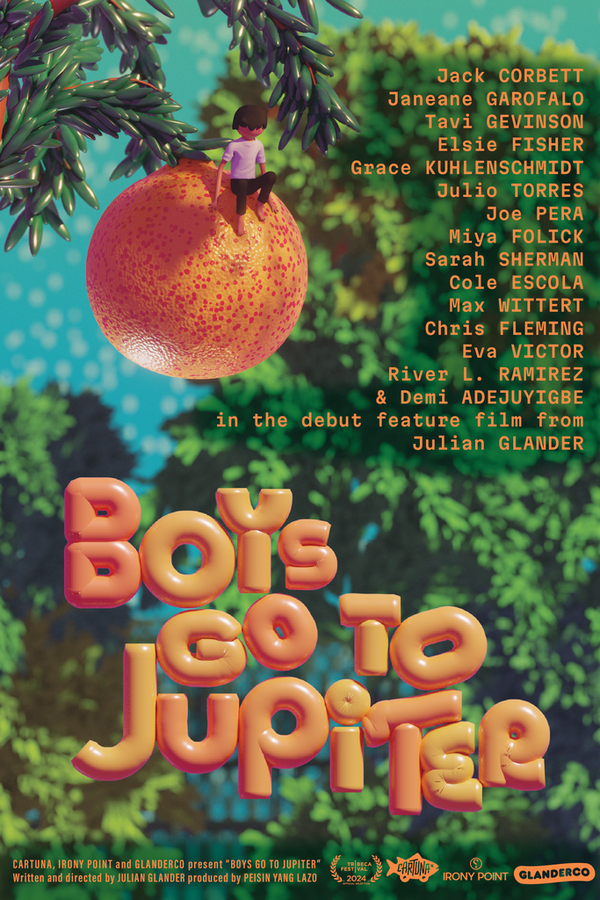
Boys Go to Jupiter (2025) – In‑Depth Review Reception and Audience Opinions
Boys Go to Jupiter has quickly become a touchstone for 2025’s animated releases, sparking conversation across critics, fans, and the broader pop‑culture landscape. On What’s After the Movie you can dive deeper into the film’s summary page, explore its movie wiki, or even test your knowledge with a quiz. Below we break down the most compelling quotes, compare the critical consensus to audience reactions, and draw clear conclusions about the overall sentiment surrounding Julian Glander’s debut feature.
Critical Consensus on Boys Go to Jupiter (2025): What Reviewers Are Saying
The critic chorus is strikingly unified: Boys Go to Jupiter is described as “both jaded and fresh,” a Gen‑Z take on Richard Linklater’s slacker comedies, infused with “a sprinkling of Studio Ghibli’s childlike fantasy.” Original‑Cin gave the film an 83, highlighting its “jaded yet fresh” vibe, while The New York Times (90) praised its willingness to “manifest the weirdest of the weird.”
Screen Rant (70) called it a “mind‑bending visual odyssey wrapped around a grounded, relatable human story,” and The A.V. Club (83) emphasized its “hilarious and touching adventure” powered by “unique and enchanting animation.” The Film Stage (75) noted the film is “often funny and sometimes introspective about this land of screens we find ourselves trapped inside,” even if it “gets a bit long‑in‑the‑tooth at times.”
Across the board, the critical rating average hovers in the low‑80s, indicating strong approval. Even publications that assign lower numerical scores, like Collider (70) and Screen Rant, still celebrate the film’s experimental nature, labeling it the type of animated feature “we need more of.”
For readers craving a full breakdown of each critic’s score, visit our movie page for Boys Go to Jupiter where we aggregate these numbers alongside full excerpts. The consensus underscores that the film’s daring visuals, DIY energy, and quirky narrative strike a chord with reviewers hungry for originality in 2025’s animated slate.
The Fresh‑Yet‑Jaded Gen‑Z Vibe: Comparing Critics to Audience Reactions
While critics laud the film’s “Gen‑Z slacker” energy, everyday viewers echo many of those sentiments—albeit with a more personal tilt. Chase Hutchinson of the Seattle Times described the experience as “sweet” for those on its wavelength, noting it “will never be to all tastes.” Charles Johnston (Spectrum Culture) praised its “DIY energy, inspired by old‑school claymation” but cautioned that “mileage will vary” over the hour‑and‑a‑half runtime.
From the audience side, Stephen C shouted “Success in 1.5 hours!”—a concise endorsement that mirrors the critics’ appreciation for the film’s compact, vibrant storytelling. The Common Sense Media reviewer Christie Cronan highlighted the film’s “surreal escape from the mundane,” commending its lo‑fi CGI as a tool to “fight capitalism, hustle culture, the teenage experience, and even Florida.”
These parallel observations reveal a shared recognition of the movie’s counter‑cultural aesthetic and its appeal to a generation raised on streaming, memes, and rapid visual stimuli. Where critics dissect technique and thematic depth, fans respond to the visceral, almost therapeutic impact of the film’s animation style, confirming that Boys Go to Jupiter resonates on both intellectual and emotional frequencies.
Explore more audience opinions on our movie wiki and see how fan‑generated scores align with the critic Metacritic aggregate.
Specific Praise and Criticism: Highlights from Major Outlets
Visual Innovation
- The New York Times: “unafraid to manifest the weirdest of the weird.”
- The A.V. Club: “unique and enchanting animation.”
These outlets celebrate Glander’s lo‑fi CGI hybrid, which blends 3‑D animation with Studio Ghibli‑like whimsy. The film’s visual palette—ranging from “vacant parking lots to empty swimming pools” as Slant Magazine noted—creates a sense of hyper‑real absurdity that feels both nostalgic and novel.
Narrative Structure
Screen Rant called the story a “mind‑bending visual odyssey,” while The Film Stage cautioned that it can feel “a bit long in the tooth.” The Paste Magazine review emphasizes the “handsomely odd” yet universal coming‑of‑age core, suggesting the film balances experimental storytelling with accessible themes.
Thematic Resonance
Critics like Christie Cronan (Common Sense Media) applaud the film’s satire of “capitalism, hustle culture, the teenage experience,” framing it as a social critique hidden within a whimsical adventure. Meanwhile, Original‑Cin highlighted the “Gen‑Z version of Linklater’s early slacker comedies,” positioning the movie as a cultural bridge between indie film heritage and modern digital anxieties.
Overall, the most consistent praise centers on the film’s daring visual style and its fresh take on teen ennui, while the primary criticism concerns pacing and the risk that its eccentricity may alienate viewers not attuned to its wavelength.
What Everyday Viewers Think: User Reviews and Community Sentiment
User‑generated feedback on Boys Go to Jupiter is limited but telling. Stephen C’s ecstatic “Success in 1.5 hours!” underscores the film’s capacity to deliver a satisfying, compact experience. Meanwhile, comments on our quiz page reveal that many fans are drawn to the film’s hidden Easter eggs and its interactive lore, prompting repeat viewings.
On What’s After the Movie, members often compare the movie to other 2025 releases like Space Pals and Neon Dreams, noting that Boys Go to Jupiter stands out for its DIY, clay‑mation vibe despite being fully CGI. The community also points out that the film’s soundtrack—a blend of lo‑fi beats and synth‑pop—enhances its “retro‑future” atmosphere, a detail highlighted in the concert‑film section of our site.
The sentiment among everyday viewers is overwhelmingly positive, with a shared appreciation for the film’s experimental charm and relatable coming‑of‑age beats. However, a minority echo the critics’ caution, mentioning that the film’s “eccentric sensibilities” can feel overwhelming after the first act.
For a deeper dive into community discussions, check out the profiles page where fans and critics intersect, and visit the box‑office section to see how audience turnout aligns with the critical buzz.
Final Verdict on Boys Go to Jupiter Reception: A Mixed‑Bag of Praise That Leans Positive
Synthesizing the critical scores, thematic analysis, and user sentiment, Boys Go to Jupiter emerges as a cult‑ready animated darling of 2025. Its Metacritic average in the low‑80s confirms strong critical approval, while audience reactions echo its quirky visual language and relatable teen anxieties.
The film’s strengths lie in its willingness to push visual boundaries, its DIY aesthetic, and its cleverly satirical take on modern hustle culture. The weaknesses revolve around pacing concerns and the possibility that its eccentric style may not be universally accessible.
For anyone looking for an unconventional yet emotionally resonant animated experience, Boys Go to Jupiter offers a fresh perspective that feels both timely and timeless. Visit our movie page for the full review, explore the summary, or test your knowledge on the quiz page—all hosted on What’s After the Movie, your go‑to hub for detailed movie summaries, profiles, box‑office data, awards, concert‑film listings, and interactive games.
Outbound Links
| Site | Link |
|---|---|
| IMDb | IMDb |
| Rotten Tomatoes | Rotten Tomatoes |
| Metacritic | Metacritic |
Continue reading




What's After the Movie?
Not sure whether to stay after the credits? Find out!
Check out our other apps:

SAT Sphere
Build confidence for the Digital SAT.

Mori Atlas
Discover wild places worth protecting.

Luntero
Search smarter for a home in Amsterdam.

Plot Explained
Unravel movie endings and hidden clues.

Pokechamp
Dive into Pokémon data and battle logic.

Driving Theory
Get ready for your European theory test.

Movie Dust
Plan your next cinema trip with ease.

Musemap
Find art and culture as you travel.

Selkobase
Compare credentials before committing.

Local Manual
Turn an unfamiliar country into practical next steps.

Lernavi
Compare school systems before your next move.

GymRoam
Find a workout stop wherever your plans take you.
Explore Our Movie Platform
New Movie Releases (2026)
Famous Movie Actors
Top Film Production Studios
Movie Plot Summaries & Endings
Major Movie Awards & Winners
Best Concert Films & Music Documentaries
Movie Collections and Curated Lists
© 2026 What's After the Movie. All rights reserved.
Privacy Policy