What's After the Blog?
feature
10 Best MTV Shows From the 2000s Ranked: Reality TV's Golden Age
MTV defined youth culture in the 2000s through a revolutionary slate of reality programming that moved far beyond music videos. From the sun-soaked drama of "Laguna Beach" to the stunt-fueled chaos of "Jackass," these series established templates that influenced television for decades.
March 17, 2026
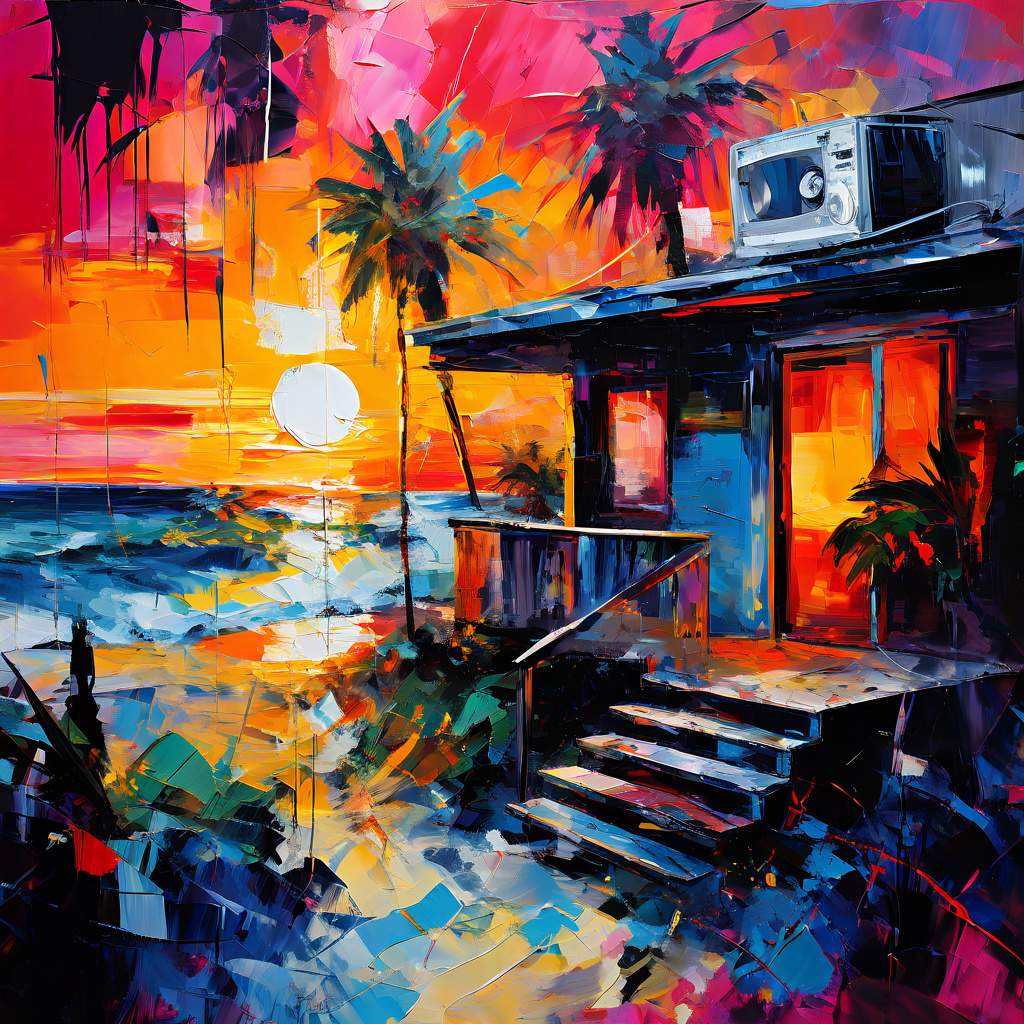
10 Best MTV Shows From the 2000s Ranked: Reality TV’s Golden Age
MTV underwent a dramatic transformation during the 2000s, pivoting from its music video roots to become the premier destination for youth-oriented reality television. The basic cable network capitalized on the decade’s appetite for unscripted drama, celebrity access, and physical comedy, creating programming that captured the cultural zeitgeist for millennials and Generation X viewers. These series not only dominated ratings but established production templates—from confessional interviews to constructed narratives—that continue to influence the entertainment industry today.
The Reality Television Explosion
Laguna Beach: The Real Orange County arrived in 2004, adapting the melodramatic teen soap formula of Fox’s “The O.C.” into a purportedly unscripted format. The series followed wealthy high school students navigating romantic entanglements against a sun-drenched California backdrop, centering on the complicated dynamics between Lauren Conrad, Kristin Cavallari, and Stephen Colletti. Despite persistent rumors that producers staged key scenes, the show’s glossy aesthetic and interpersonal conflicts established the “docusoap” template that MTV would replicate for years, spawning two spin-offs that never quite captured the original cast’s chemistry.
The network perfected this approach with The Hills (2006), which tracked Conrad’s post-high school entry into Los Angeles fashion circles alongside housemate Heidi Montag and their social circle. After Conrad’s departure during the penultimate season, the series continued with Cavallari assuming the central role, demonstrating the franchise’s reliance on strong personality-driven conflict over authentic documentation. The show’s success spawned multiple spin-offs and a 2019 revival titled The Hills: New Beginnings, confirming its status as the ultimate realization of MTV’s staged reality formula and wish-fulfillment premise.
By decade’s end, MTV had translated this template to the East Coast with Jersey Shore (2009), housing eight self-described “guidos” and “guidettes” in a Seaside Heights rental property. The series became a genuine phenomenon, transforming cast members like Nicole “Snooki” Polizzi and Jennifer “JWoww” Farley into standalone celebrities while delivering the network’s highest ratings through party culture and romantic misadventures. The show’s blend of catchphrase-heavy dialogue and regional identity proved so successful that MTV immediately ordered spin-offs, though none matched the original’s longevity or cultural penetration, even as the franchise relocated to Miami Beach and Florence, Italy for subsequent seasons.
Preceding these narrative-driven series, The Real World maintained its presence throughout the decade as the genre’s foundational text. Having premiered in 1992, the show continued placing diverse groups of young adults in shared housing across different cities, from New Orleans (2000) to Las Vegas (2002) and Washington D.C. (2009-2010). The 2004 San Diego season notably launched the career of Jamie Chung, who transitioned from reality participant to successful film actress, illustrating the show’s function as a talent pipeline even as newer formats drew larger audiences.
Stunt Comedy and Physical Humor
Jackass originated in October 2000 as a low-budget showcase for Johnny Knoxville and his crew performing dangerous stunts, skateboarding tricks, and self-flagellating pranks in public spaces. Though the original series lasted only until August 2001 with twenty-five episodes, its impact proved disproportionate to its brief run, spawning a film franchise that continues to generate box office success decades later. The show’s appeal rested on primal slapstick and genuine risk-taking, eschewing narrative construction for immediate physical comedy that celebrated “dudes rocking” on an intuitive level.
From this franchise emerged Wildboyz (2003), starring Chris Pontius and Steve-O in a travelogue format that combined wildlife documentation with Jackass-style masochism. Running for four seasons with the latter two airing on MTV2, the series featured the hosts interacting with exotic animals across global locations, often subjecting themselves to bites, stings, and scatological gags for entertainment value. The show functioned effectively as both comedy programming and an unconventional nature documentary, distinguishing itself from the more self-indulgent spin-off Viva La Bam while serving as a beautiful if nonsensical travelogue through breathtaking global locales.
Celebrity Access and Prank Culture
Punk’d revolutionized celebrity interaction with television when Ashton Kutcher launched the hidden camera series in 2003. The show orchestrated elaborate pranks on famous targets—including temporary carjackings and disastrous red carpet interviews—before Kutcher revealed the deception with his signature declaration. The series provided early screen credits for performers like Bill Hader, Dax Shepard, and B.J. Novak while establishing the template for prank-based reality programming later refined by shows like Impractical Jokers. Intermittent revivals have moved to different platforms and hosts, but the original run remains the premise in its purest form.
Simultaneously, The Osbournes (2002) offered unprecedented domestic access to heavy metal icon Ozzy Osbourne and his family in their Beverly Hills home. The series humanized the notorious “Prince of Darkness” as a befuddled father navigating teenage children and his wife Sharon’s cancer treatments, mixing genuine emotional moments with substance abuse struggles and family dysfunction. Though critics questioned the authenticity of certain situations, the show demonstrated that established celebrities could anchor reality franchises as effectively as unknown participants, creating the pinnacle of the family’s non-musical television work.
MTV Cribs (2000-2009) completed this celebrity-centric programming block by granting tours of famous residences across entertainment, sports, and music industries. The series emphasized opulence and personal excess, showcasing private recording studios, home athletic facilities, and luxury automobiles while allowing stars to define their public personas through domestic display. After influencing parodies including The LEGO Batman Movie, the franchise received a full revival in 2021, confirming the enduring appeal of wealth voyeurism and personalized opulence.
The Music Program That Outlasted the Format
Total Request Live (TRL) bridged MTV’s musical origins and its reality future throughout the 2000s. Hosted initially by Carson Daly, the afternoon countdown show allowed viewers to vote for their preferred music videos, which aired in descending order of popularity while artists made promotional appearances and occasional live performances. The program remained essential viewing for musical acts seeking teenage market penetration until its original conclusion in 2008, when guest hosts including Seth Green and the All-American Rejects ceremonially dismantled the iconic set.
The show’s decline mirrored MTV’s broader evolution, as digital platforms disrupted the traditional music video broadcast model. Nevertheless, TRL maintained cultural relevance through the mid-2000s as a mandatory stop for pop stars and rock bands alike, representing the final era when a single television program could dictate youth musical tastes nationwide before the advent of YouTube fragmented music video consumption.
Legacy and Industry Impact
These ten series collectively transformed MTV from a music video curator into a reality television powerhouse, establishing formats that dominate contemporary programming. The network’s 2000s output pioneered the integration of narrative scripting within documentary contexts, the commercialization of regional subcultures, and the transformation of ordinary participants into multimedia brands. While the channel has since shifted strategy and many of these franchises have concluded or moved to streaming platforms, their production techniques and casting methodologies continue to inform modern unscripted entertainment, from streaming docuseries to social media influencer culture.
What’s After the Movie
What’s After the Movie is your comprehensive destination for film and television coverage, offering detailed movie summaries, box office analysis, and spoiler-free guides to help you navigate entertainment choices. Whether you’re researching classic reality series or tracking current industry developments, our platform provides the context you need to understand what comes next in your viewing journey.
Visit our main site at https://www.whatsafterthemovie.com for extensive movie databases and industry news, or explore specific collections at https://www.whatsafterthemovie.com/movies/collection to discover curated recommendations based on your favorite genres and eras.
Continue reading



What's After the Movie?
Not sure whether to stay after the credits? Find out!
Check out our other apps:

SAT Sphere
Build confidence for the Digital SAT.

Mori Atlas
Discover wild places worth protecting.

Luntero
Search smarter for a home in Amsterdam.

Plot Explained
Unravel movie endings and hidden clues.

Pokechamp
Dive into Pokémon data and battle logic.

Driving Theory
Get ready for your European theory test.

Movie Dust
Plan your next cinema trip with ease.

Musemap
Find art and culture as you travel.

Selkobase
Compare credentials before committing.

Local Manual
Turn an unfamiliar country into practical next steps.

Lernavi
Compare school systems before your next move.

GymRoam
Find a workout stop wherever your plans take you.
Explore Our Movie Platform
New Movie Releases (2026)
Famous Movie Actors
Top Film Production Studios
Movie Plot Summaries & Endings
Major Movie Awards & Winners
Best Concert Films & Music Documentaries
Movie Collections and Curated Lists
© 2026 What's After the Movie. All rights reserved.
Privacy Policy