
What's After the Movie
Thérèse Dorny
Thérèse Dorny, born Thérèse Jeanne Longo-Dorni on September 18, 1891, in the vibrant cultural center of Paris, France, established herself as one of the most distinctive and enduring character actresses in the history of French cinema and theater. The daughter of Gaudence Jean Baptiste Marie Longo-Dorni and Marie Antonia Longo-Dorni (née Junghanss), she embarked upon her professional acting career on the theatrical stage in 1913, honing her craft in the rigorous tradition of French theater before making her transition to motion pictures. Her cinematic debut arrived in 1930 with The Sweetness of Loving (La Douceur d'aimer), directed by René Hervil, where she portrayed Lorette, marking the commencement of a prolific screen career that would span nearly three decades. Throughout the 1930s and 1940s, Dorny became renowned for her remarkable ability to imbue supporting roles with uncommon depth, psychological nuance, and authentic humanity, collaborating with legendary directors including Max Ophüls, Henri Decoin, Marcel Pagnol, and Henri-Georges Clouzot. Her performances consistently demonstrated a unique blend of sharp Parisian wit, maternal warmth, and occasionally eccentric charm, making her an invaluable asset to the French film industry during its golden age.
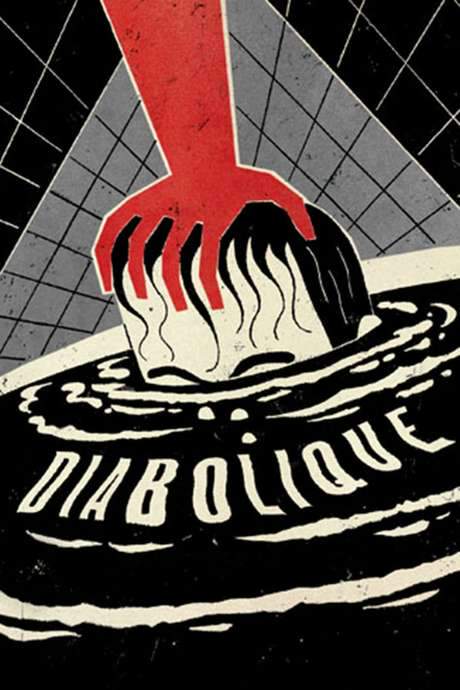
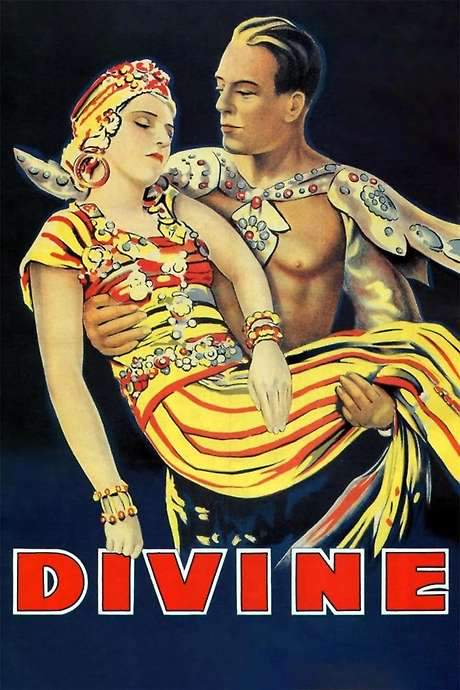
Among her extensive filmography of over forty motion pictures, Dorny delivered particularly memorable performances as Mme. Cognasse in Louis Mercanton's 1932 comedy Cognasse and as the formidable Mme. Herboux in Clouzot's masterpiece Les Diaboliques (1955), the latter securing her international recognition in one of cinema's most influential psychological thrillers. Her versatile talent allowed her to navigate effortlessly between genres, appearing in significant works such as Divine (1935) by Max Ophüls, The Italian Straw Hat (1941), and Jacqueline Audry's Mitsou (1956), often portraying landladies, aunts, and sharp-tongued bourgeois women with remarkable authenticity. Beyond her artistic achievements, Dorny shared her life with the celebrated French painter and graphic artist André Dunoyer de Segonzac, whom she married on December 19, 1964, in Viroflay, Île-de-France, remaining devoted companions until his death in September 1974. This late marriage brought together two significant figures of the Parisian arts scene, creating a partnership that lasted until the end of his life. After concluding her remarkable career with a final appearance in Oh! Qué mambo (1959), she retired to the coastal town of Saint-Tropez in Var, France, where she died on March 14, 1976, at the age of 84, leaving behind a rich legacy as one of France's most beloved and prolific character actresses.
Biography, Career & Filmography
Learn more about Thérèse Dorny, including a detailed biography, career timeline, personal life insights, and complete filmography. Discover how Thérèse Dorny rose to fame, their major roles, industry impact, and personal milestones in the world of film.
Given Name: Thérèse Jeanne Longo-Dorni
Born: Paris, Ile-de-France, France
Citizenship: French
Birthday: September 18, 1891
Occupations: Actress, Stage Actress
Years Active: 1913-1958
Spouses: André Dunoyer de Segonzac
External Links and Streaming Options
Explore more about on trusted external platforms like Wikipedia. Find additional details, reviews, and related content to deepen your understanding.

Movies Featuring Thérèse Dorny



Career Timeline
Track the complete movie timeline of Thérèse Dorny, including all film releases, career breakthroughs, and notable roles. Follow their journey from early performances to recent blockbusters and upcoming projects.

Coming soon on iOS and Android
The Plot Explained Mobile App
From blockbusters to hidden gems — dive into movie stories anytime, anywhere. Save your favorites, discover plots faster, and never miss a twist again.
Sign up to be the first to know when we launch. Your email stays private — always.
Explore the mobile app
What's After the Movie?
Not sure whether to stay after the credits? Find out!
Check out our other apps:

SAT Sphere
Build confidence for the Digital SAT.

Mori Atlas
Discover wild places worth protecting.

Luntero
Search smarter for a home in Amsterdam.

Plot Explained
Unravel movie endings and hidden clues.

Pokechamp
Dive into Pokémon data and battle logic.

Driving Theory
Get ready for your European theory test.

Movie Dust
Plan your next cinema trip with ease.

Musemap
Find art and culture as you travel.

Selkobase
Compare credentials before committing.

Local Manual
Turn an unfamiliar country into practical next steps.

Lernavi
Compare school systems before your next move.

GymRoam
Find a workout stop wherever your plans take you.
Explore Our Movie Platform
New Movie Releases (2026)
Famous Movie Actors
Top Film Production Studios
Movie Plot Summaries & Endings
Major Movie Awards & Winners
Best Concert Films & Music Documentaries
Movie Collections and Curated Lists
© 2026 What's After the Movie. All rights reserved.
Privacy Policy