
What's After the Movie
Arch Hall Sr.
Archibald Williams Hall, professionally known as Arch Hall Sr., was born on December 21, 1908, in St. Louis, Missouri, and emerged as a distinctive and multifaceted figure in American cinema during the mid-20th century. Growing up in South Dakota as a genuine cowboy, Hall developed a profound connection to Native American culture, even earning the Sioux name "Waa-toe-gala Oak-Shilla" (translated as Wild Boy) and becoming fluent in the Sioux language. This unique heritage would profoundly influence both his artistic endeavors and his later burial rites. After graduating from the University of South Dakota, he began his entertainment career writing for radio, where he conducted extensive interviews with elderly Native Americans on KOTA. His early career was interrupted by service as a pilot in the United States Army Air Forces during World War II. His transition to Hollywood in the 1930s began modestly as a stuntman, leveraging his authentic cowboy skills, but this role quickly expanded to include small acting parts, primarily in Western films, where his genuine frontier background proved invaluable to productions seeking realistic portrayals of the American West.
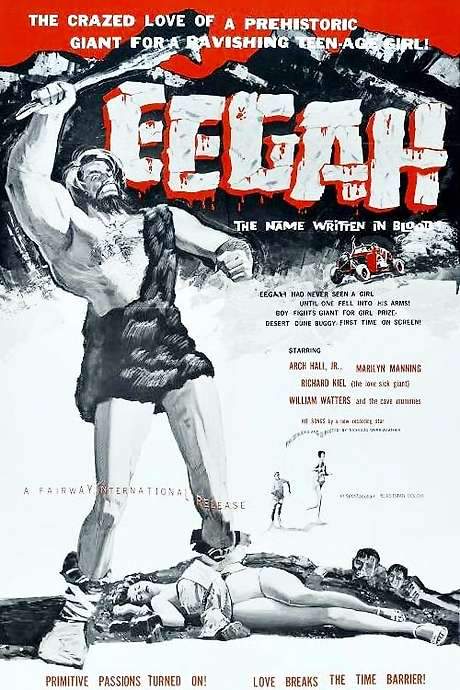
In the early 1960s, Hall established Fairway Productions in Burbank, California, creating a series of low-budget B-movies specifically targeting the burgeoning drive-in theater market. These productions often starred himself alongside his son, Arch Hall Jr., and occasionally featured his wife Addalyn in background roles or as a character actor. The films, while initially dismissed by mainstream critics, later gained significant cult status and were infamously celebrated among the worst films ever made, with sound engineering handled by Arch Jr. and his high school friend Alan O'Day, who later achieved fame as a successful pop songwriter in the 1970s. Hall's military service was notably satirized in the 1961 comedy The Last Time I Saw Archie, starring Robert Mitchum, which depicted his Air Force experiences flying troop transport gliders after being deemed too old for fighter planes yet too inexperienced for bombers. Despite reports of a lawsuit over unauthorized use of his name that resulted in an out-of-court settlement, this legal action was later revealed to be a calculated publicity stunt engineered to generate newspaper coverage for the film. Hall remained married to Addalyn Faye Pollitt, whom he wed in 1934 and who had served as a Navy Inspector at Lockheed Aircraft during World War II, until his death from a heart attack on April 28, 1978, in Los Angeles. He was honored with a traditional Sioux burial service in Philip, South Dakota, presided over by Lakota spiritual leader Frank Fools Crow, cementing his legacy as a filmmaker who bridged Hollywood fantasy with authentic American frontier heritage.
Biography, Career & Filmography
Learn more about Arch Hall Sr., including a detailed biography, career timeline, personal life insights, and complete filmography. Discover how Arch Hall Sr. rose to fame, their major roles, industry impact, and personal milestones in the world of film.
Given Name: Archibald Williams Hall
Born: St. Louis, Missouri, U.S.
Citizenship: American
Birthday: December 21, 1908
Occupations: Actor, screenwriter, director, film producer
Years Active: 1938-1974
Children: 1
Spouses: Addalyn Faye Pollitt
External Links and Streaming Options
Explore more about on trusted external platforms like Wikipedia. Find additional details, reviews, and related content to deepen your understanding.

Movies Featuring Arch Hall Sr.



Career Timeline
Track the complete movie timeline of Arch Hall Sr., including all film releases, career breakthroughs, and notable roles. Follow their journey from early performances to recent blockbusters and upcoming projects.

Coming soon on iOS and Android
The Plot Explained Mobile App
From blockbusters to hidden gems — dive into movie stories anytime, anywhere. Save your favorites, discover plots faster, and never miss a twist again.
Sign up to be the first to know when we launch. Your email stays private — always.
Explore the mobile app
What's After the Movie?
Not sure whether to stay after the credits? Find out!
Check out our other apps:

SAT Sphere
Build confidence for the Digital SAT.

Mori Atlas
Discover wild places worth protecting.

Luntero
Search smarter for a home in Amsterdam.

Plot Explained
Unravel movie endings and hidden clues.

Pokechamp
Dive into Pokémon data and battle logic.

Driving Theory
Get ready for your European theory test.

Movie Dust
Plan your next cinema trip with ease.

Musemap
Find art and culture as you travel.

Selkobase
Compare credentials before committing.

Local Manual
Turn an unfamiliar country into practical next steps.

Lernavi
Compare school systems before your next move.

GymRoam
Find a workout stop wherever your plans take you.
Explore Our Movie Platform
New Movie Releases (2026)
Famous Movie Actors
Top Film Production Studios
Movie Plot Summaries & Endings
Major Movie Awards & Winners
Best Concert Films & Music Documentaries
Movie Collections and Curated Lists
© 2026 What's After the Movie. All rights reserved.
Privacy Policy