
What's After the Movie
Akaki Vasadze
Akaki Aleksis dze Vasadze, born on 6 August 1899 in Kutaisi, then part of the Russian Empire's Kutaisi Governorate, emerged as one of Georgia's most celebrated theatrical figures of the twentieth century. He commenced his artistic journey in 1916 at the tender age of seventeen, beginning his work in the theatre of his native Kutaisi before formally graduating from the Tbilisi drama studio of Giorgi Jabadari in 1920. That same year marked the beginning of his legendary association with the Rustaveli Theatre in Tbilisi, where he would serve as a principal actor for nearly four decades until 1958. His influence extended beyond performance when he assumed the role of artistic director at the Rustaveli Theatre from 1935 to 1955, guiding the institution through one of its most significant periods. During these years, he portrayed a remarkable array of classical characters, including Mengo in Lope de Vega's Fuenteovejuna, Franz Moor in Schiller's The Robbers, the treacherous Iago in Shakespeare's Othello, and the monumental title role in King Lear. His artistic vision continued to flourish when he became artistic director of the Lado Meskhishvili Theatre in Kutaisi from 1958 to 1968, and subsequently worked as an actor and director at the State Drama Theatre in Rustavi from 1969 until his later years.
Beyond his theatrical dominance, Vasadze cultivated a significant presence in Soviet cinema, beginning his film career in 1923 and appearing in numerous productions over five decades. His memorable screen performances included portraying Shah Abbas in Mikheil Chiaureli's epic Giorgi Saakadze (1943), a village elder in Tengiz Abuladze's Magdana's Donkey (1955), and Farsman the Persian in The Right Hand of the Grand Master (1970). Parallel to his performing career, Vasadze was a dedicated pedagogue who taught acting from 1926 onward, initially at the drama studio attached to the Rustaveli Theatre, and from 1939 as a professor at the Shota Rustaveli State Theatre Institute in Tbilisi, where he attained full professorship in 1947. His extraordinary contributions to Georgian and Soviet culture were recognized with numerous accolades, including the title of People's Artist of the USSR in 1936, three prestigious Stalin Prizes (1942, 1946, and 1951), the Shota Rustaveli State Prize in 1975, and multiple state orders including two Orders of Lenin. He passed away on 23 March 1978 in Tbilisi, where he was laid to rest at the Didube Pantheon, leaving behind a lasting legacy commemorated by a house-museum in the Georgian capital.
Biography, Career & Filmography
Learn more about Akaki Vasadze, including a detailed biography, career timeline, personal life insights, and complete filmography. Discover how Akaki Vasadze rose to fame, their major roles, industry impact, and personal milestones in the world of film.
Given Name: Akaki Aleksis dze Vasadze
Born: Kutaisi, Kutaisi Governorate, Russian Empire
Citizenship: Soviet
Birthday: August 6, 1899
Occupations: Actor, theatre director, acting teacher
Years Active: 1916-1978
External Links and Streaming Options
Explore more about on trusted external platforms like Wikipedia. Find additional details, reviews, and related content to deepen your understanding.

Movies Featuring Akaki Vasadze


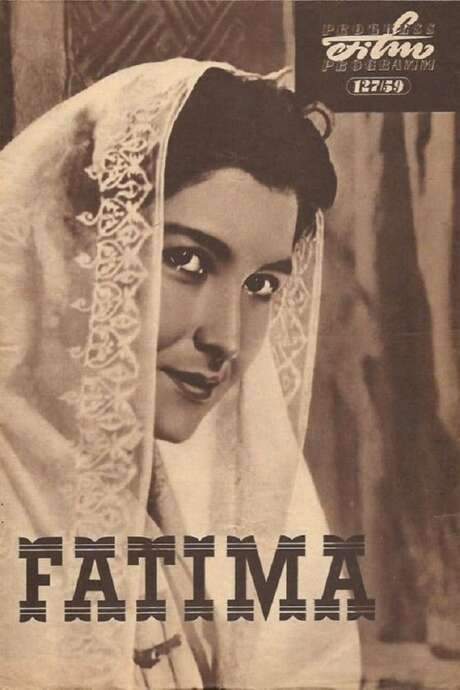


Career Timeline
Track the complete movie timeline of Akaki Vasadze, including all film releases, career breakthroughs, and notable roles. Follow their journey from early performances to recent blockbusters and upcoming projects.

Coming soon on iOS and Android
The Plot Explained Mobile App
From blockbusters to hidden gems — dive into movie stories anytime, anywhere. Save your favorites, discover plots faster, and never miss a twist again.
Sign up to be the first to know when we launch. Your email stays private — always.
Explore the mobile app
What's After the Movie?
Not sure whether to stay after the credits? Find out!
Check out our other apps:

SAT Sphere
Build confidence for the Digital SAT.

Mori Atlas
Discover wild places worth protecting.

Luntero
Search smarter for a home in Amsterdam.

Plot Explained
Unravel movie endings and hidden clues.

Pokechamp
Dive into Pokémon data and battle logic.

Driving Theory
Get ready for your European theory test.

Movie Dust
Plan your next cinema trip with ease.

Musemap
Find art and culture as you travel.

Selkobase
Compare credentials before committing.

Local Manual
Turn an unfamiliar country into practical next steps.

Lernavi
Compare school systems before your next move.

GymRoam
Find a workout stop wherever your plans take you.
Explore Our Movie Platform
New Movie Releases (2026)
Famous Movie Actors
Top Film Production Studios
Movie Plot Summaries & Endings
Major Movie Awards & Winners
Best Concert Films & Music Documentaries
Movie Collections and Curated Lists
© 2026 What's After the Movie. All rights reserved.
Privacy Policy