What's After the Movie
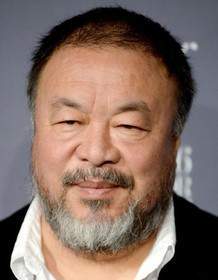
Ai Weiwei
Ai Weiwei (b. 1957‑08‑28 in Beijing, China) emerged from a childhood marked by political persecution, as his poet father Ai Qing was denounced during the Anti‑Rightist Movement and the family was exiled to a labour camp in Heilongjiang when Ai was only one year old. The harsh conditions of the far northwest left an indelible imprint on his worldview, a theme that resurfaces in his later installations that juxtapose personal trauma with collective memory. After the Cultural Revolution ended, the family returned to Beijing in 1976 and Ai enrolled at the Beijing Film Academy to study animation, quickly co‑founding the avant‑garde “Stars” collective in 1978, which launched his lifelong commitment to experimental art. From 1981 to 1993 he lived in the United States, absorbing influences from Marcel Duchamp, Andy Warhol and Jasper Johns, and forging friendships with figures such as poet Allen Ginsberg, experiences that broadened his conceptual vocabulary. Upon returning to China in 1993 he helped create the Beijing East Village art scene, founded the FAKE Design studio in 2003, and collaborated with architects Herzog & de Monument on the iconic Bird’s Nest stadium, while simultaneously producing provocative works like Dropping a Han Dynasty Urn and the monumental Sunflower Seeds at Tate Modern.\n\nAi’s career is inseparable from his activism; he has relentlessly exposed government corruption, most famously leading a citizens’ investigation into the 2008 Sichuan earthquake school collapses, publishing thousands of victims’ names despite official censorship. His public criticism of authoritarian policies led to a high‑profile arrest at Beijing Capital Airport in 2011, a 81‑day detention, and continuous surveillance, events that inspired powerful pieces such as S.A.C.R.E.D. and Man in a Cube. After his 2015 passport was returned, Ai established studios in Berlin, Cambridge and Montemor‑o‑Novo, Portugal, while continuing to create socially resonant works—Law of the Journey (a 230‑foot inflatable refugee boat), Trace (portraits of political prisoners), and Middle Finger in Pink, a recent pop‑culture statement. Married to artist Lu Qing, he is the father of a son born in 2009, and remains a vocal advocate for human rights, freedom of expression, and the transformative power of art worldwide.
Biography, Career & Filmography
Learn more about Ai Weiwei, including a detailed biography, career timeline, personal life insights, and complete filmography. Discover how Ai Weiwei rose to fame, their major roles, industry impact, and personal milestones in the world of film.
Given Name: Ai Weiwei
Born: Beijing, China
Citizenship: Chinese
Birthday: August 28, 1957
Occupations: contemporary artist, documentarian, activist, architect, designer, photographer, sculptor
Years Active: 1978-present
Children: 1
Spouses: Lu Qing
External Links and Streaming Options
Explore more about on trusted external platforms like Metacritic, Rotten Tomatoes, TMDb or Wikipedia. Find additional details, reviews, and related content to deepen your understanding.





Movies Featuring Ai Weiwei
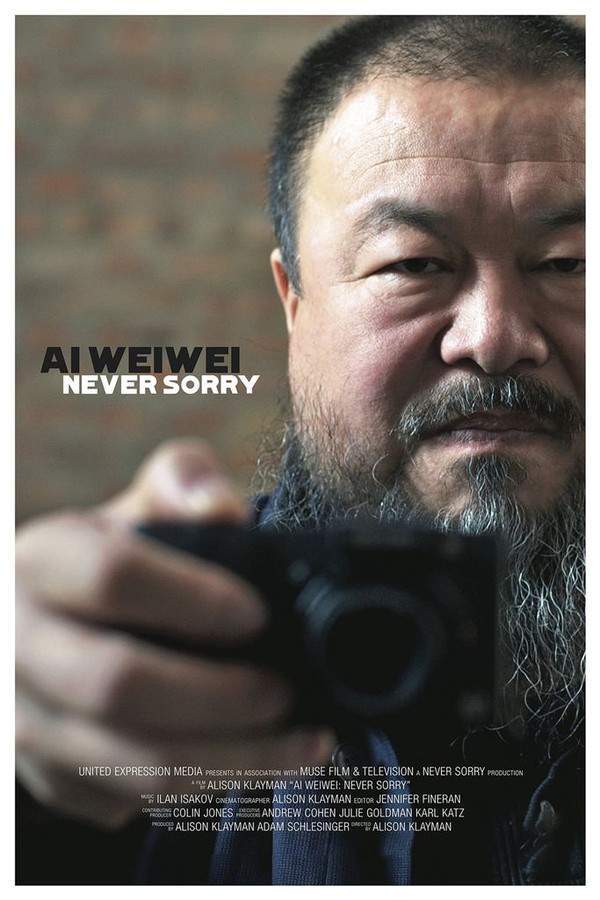
Ai Weiwei: Never Sorry
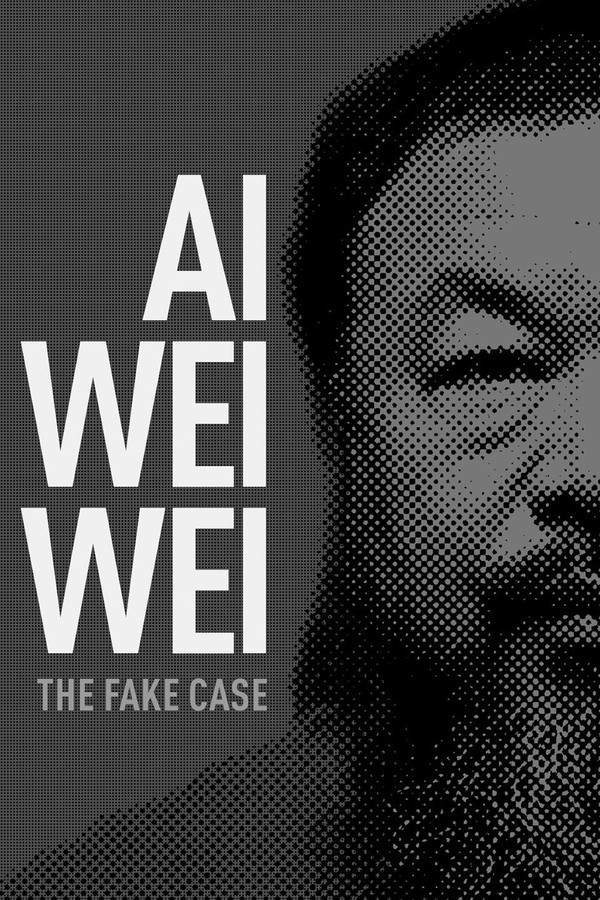
Ai Weiwei: The Fake Case
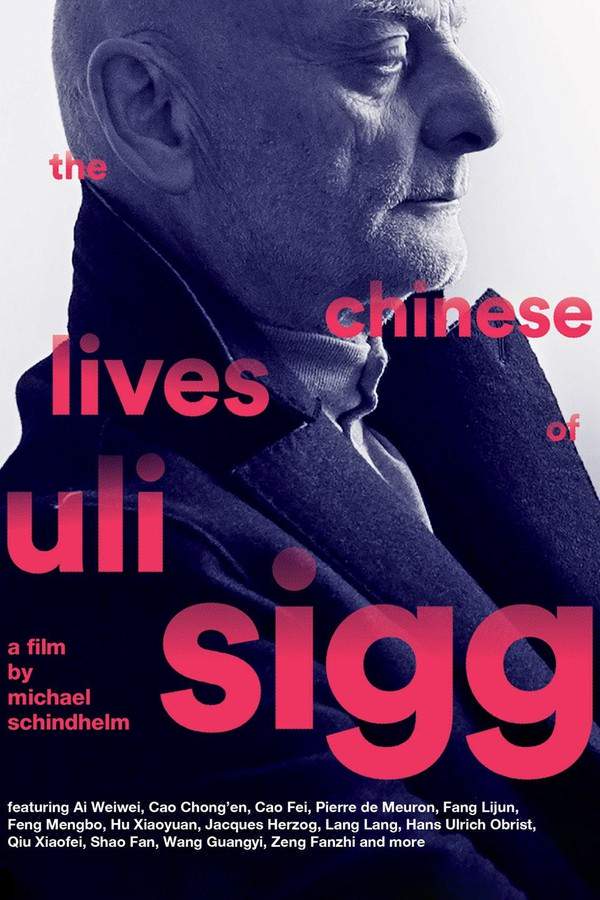
The Chinese Lives of Uli Sigg
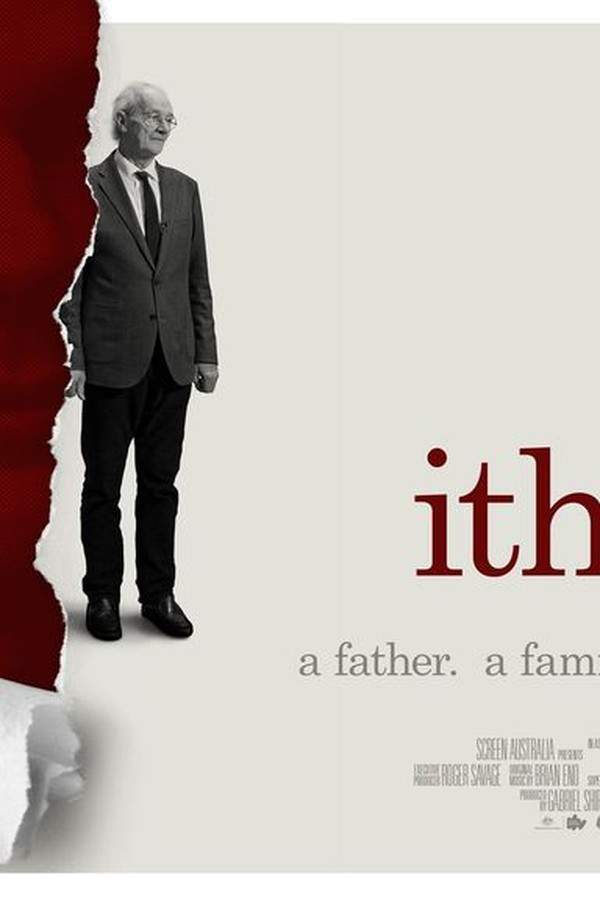
Ithaka

Ai Weiwei: Without Fear or Favour

Flowers of Taipei: Taiwan New Cinema

The Sand Storm

Why Are We Creative?

Vincent van Gogh Superstar

Propaganda: The Art of Selling Lies

Ai Weiwei: Yours Truly
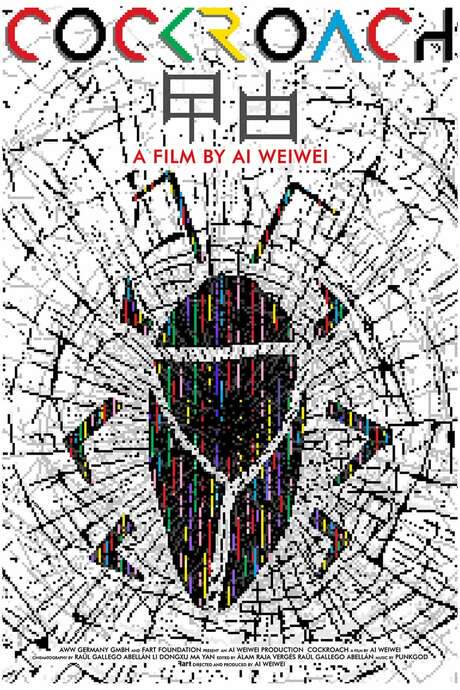
Cockroach

Laogai: Prison Nation - Inside China’s Ruling System

Ai Weiwei’s Turandot

Eric Ravilious: Drawn to War

Disturbing the Peace

Clockwork Orange: The Prophecy
Career Timeline
Track the complete movie timeline of Ai Weiwei, including all film releases, career breakthroughs, and notable roles. Follow their journey from early performances to recent blockbusters and upcoming projects.

Coming soon on iOS and Android
The Plot Explained Mobile App
From blockbusters to hidden gems — dive into movie stories anytime, anywhere. Save your favorites, discover plots faster, and never miss a twist again.
Sign up to be the first to know when we launch. Your email stays private — always.
Explore the mobile app
What's After the Movie?
Not sure whether to stay after the credits? Find out!
Check out our other apps:

SAT Sphere
Build confidence for the Digital SAT.

Mori Atlas
Discover wild places worth protecting.

Luntero
Search smarter for a home in Amsterdam.

Plot Explained
Unravel movie endings and hidden clues.

Pokechamp
Dive into Pokémon data and battle logic.

Driving Theory
Get ready for your European theory test.

Movie Dust
Plan your next cinema trip with ease.

Musemap
Find art and culture as you travel.

Selkobase
Compare credentials before committing.

Local Manual
Turn an unfamiliar country into practical next steps.

Lernavi
Compare school systems before your next move.

GymRoam
Find a workout stop wherever your plans take you.
Explore Our Movie Platform
New Movie Releases (2026)
Famous Movie Actors
Top Film Production Studios
Movie Plot Summaries & Endings
Major Movie Awards & Winners
Best Concert Films & Music Documentaries
Movie Collections and Curated Lists
© 2026 What's After the Movie. All rights reserved.
Privacy Policy